

68/100Good
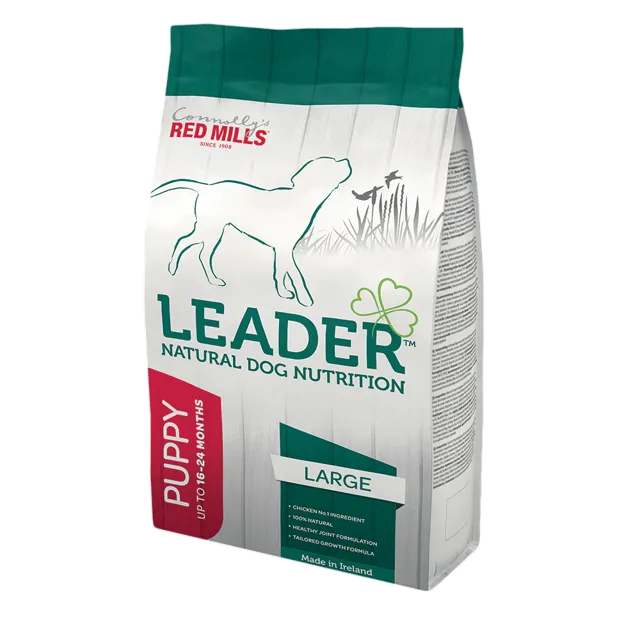
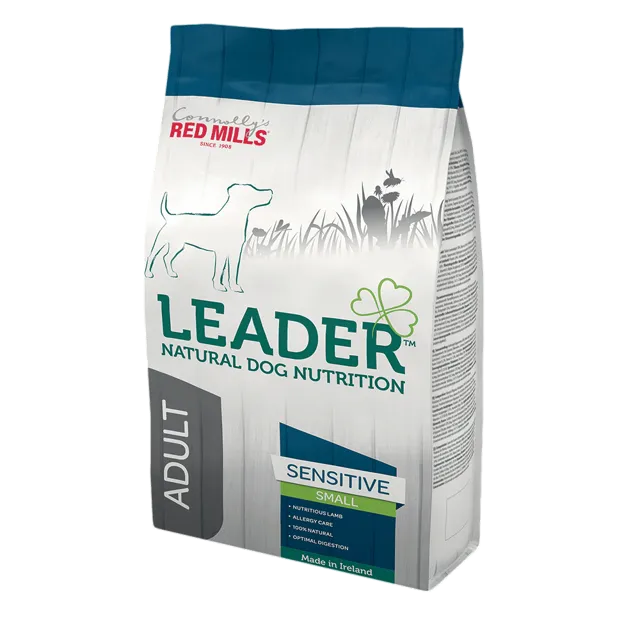
Leader
Flavour
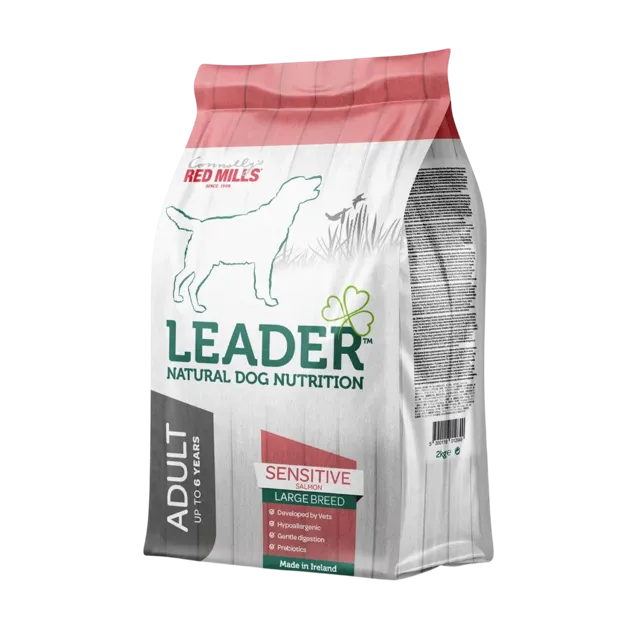
A deliberately quiet recipe for big dogs whose digestion is easily upset, in our Good band in both lamb and salmon. What sets it apart is the fat: sunflower oil stands in for the chicken fat most kibbles use. Each bag has one animal protein and a short plant tail, and L-tryptophan is printed with a figure.
Written by our editorial team. Independent guidance, not veterinary advice.
Listed for large adult dogs. Big dogs eat well beyond the reference dog, from 225 grams at 20kg to 408 grams at 45kg on the pack, so weigh out the first bag.
Dry
Adult
Large
Salmon
All two Good. Typical dry food: Good.
Both sit at the centre of the adult dry category, so close together that the protein you need should decide it.
Vitamins A, D3 and E with copper, selenium, iron, manganese, zinc and iodine at lower doses than the lamb, plus the same L-lysine and L-tryptophan.
Hydrolysed liver protein names no species, so this cannot anchor a strict elimination trial.
Named ingredients
The obvious pick for a dog that does better off land meats.
Both bags follow one recipe: a single dehydrated animal protein at the top, brown and white rice for starch, sunflower oil for fat and potato protein behind the meat. The plant tail is short, with linseed, alfalfa, seaweed meal and chicory inulin. Dehydrated meat keeps its percentage through the oven, which a fresh meat figure would not.
L-lysine and L-tryptophan are dosed on both labels. What differs is the animal and the trace mineral doses, which run higher on the lamb.
Estimated using Modified Atwater factors*
23%
11%
2.1%
7.5%
10%
25.6%
12.2%
2.3%
8.3%
51.6%
Estimated breakdown of the finished product by ingredient category, from the declared ingredient list and ingoing weights. These are estimates, not measurements.
27%
59%
2.5%
6.5%
5%
The analysis gives back a little less than the price suggests.
Ingredients and nutrition are taken from manufacturer data. Retailer pricing is not yet live for this food.
Ranked shortlists that include foods like this one.

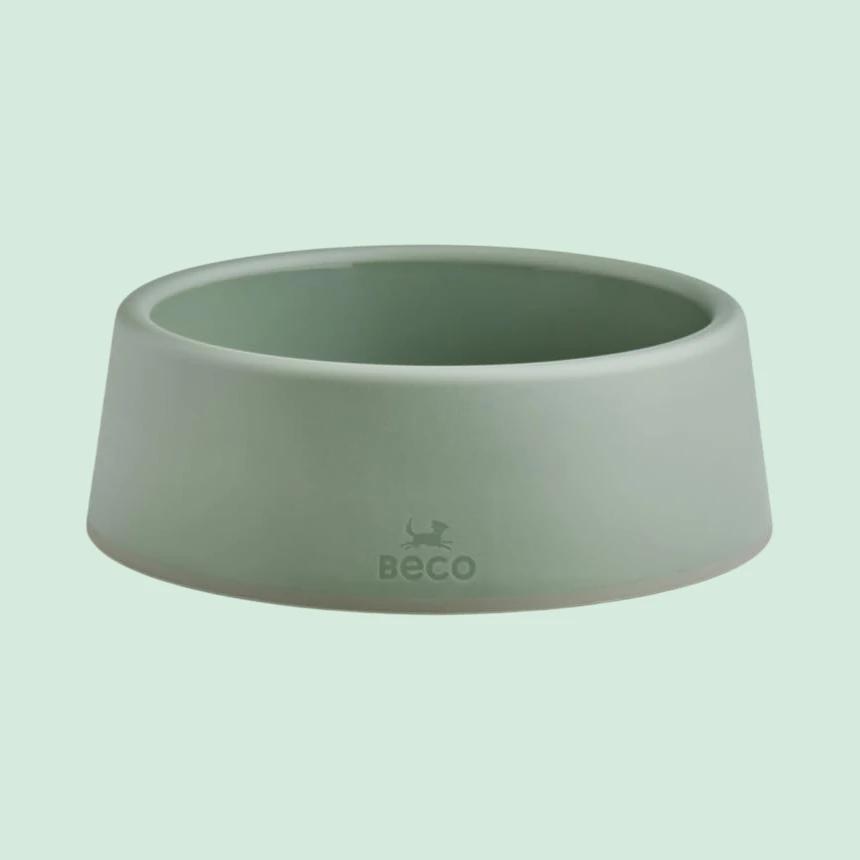
Beco
A recycled plastic dog bowl with a wide weighted base that stays where you put it.
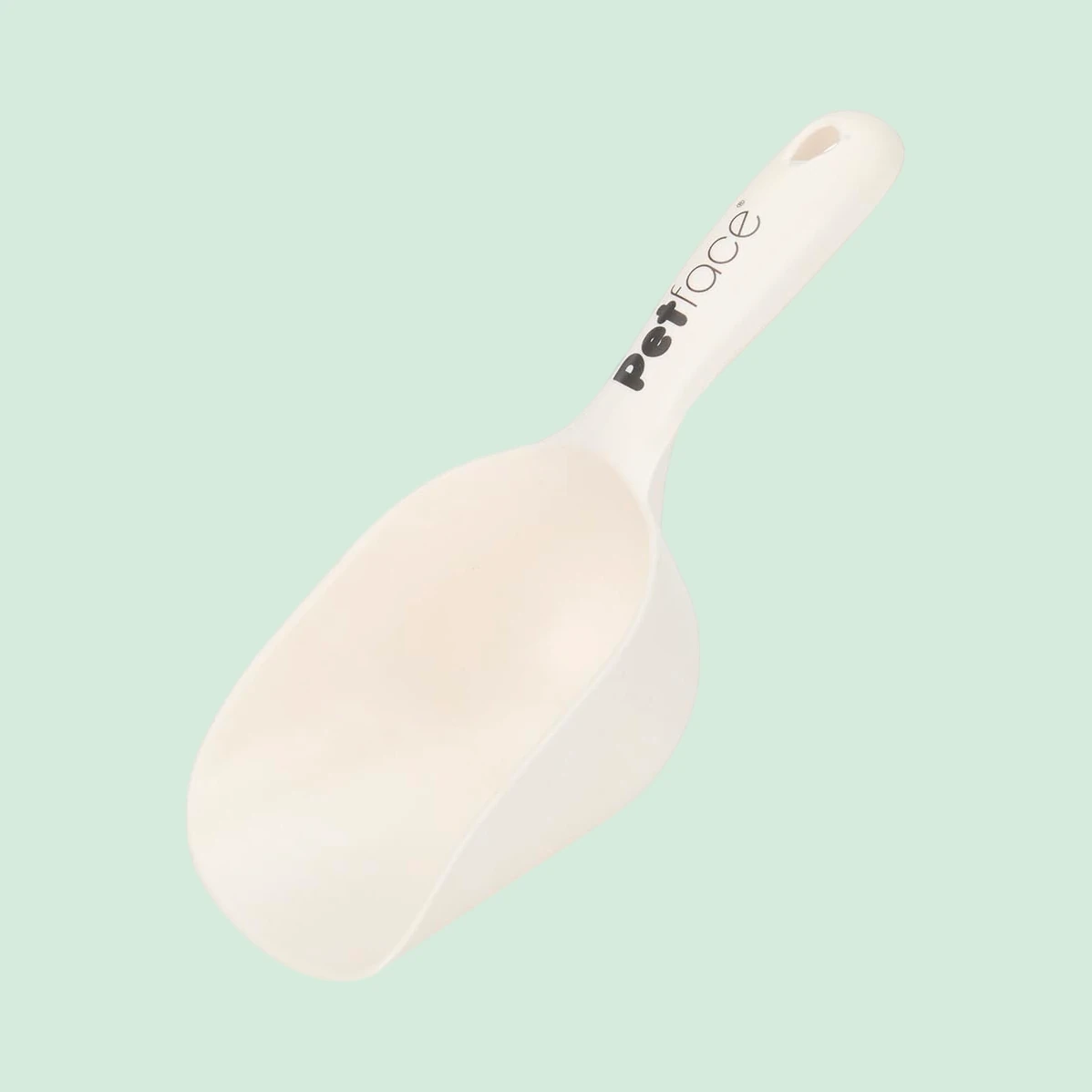
Petface
A light plastic food scoop that makes measuring kibble a daily habit.
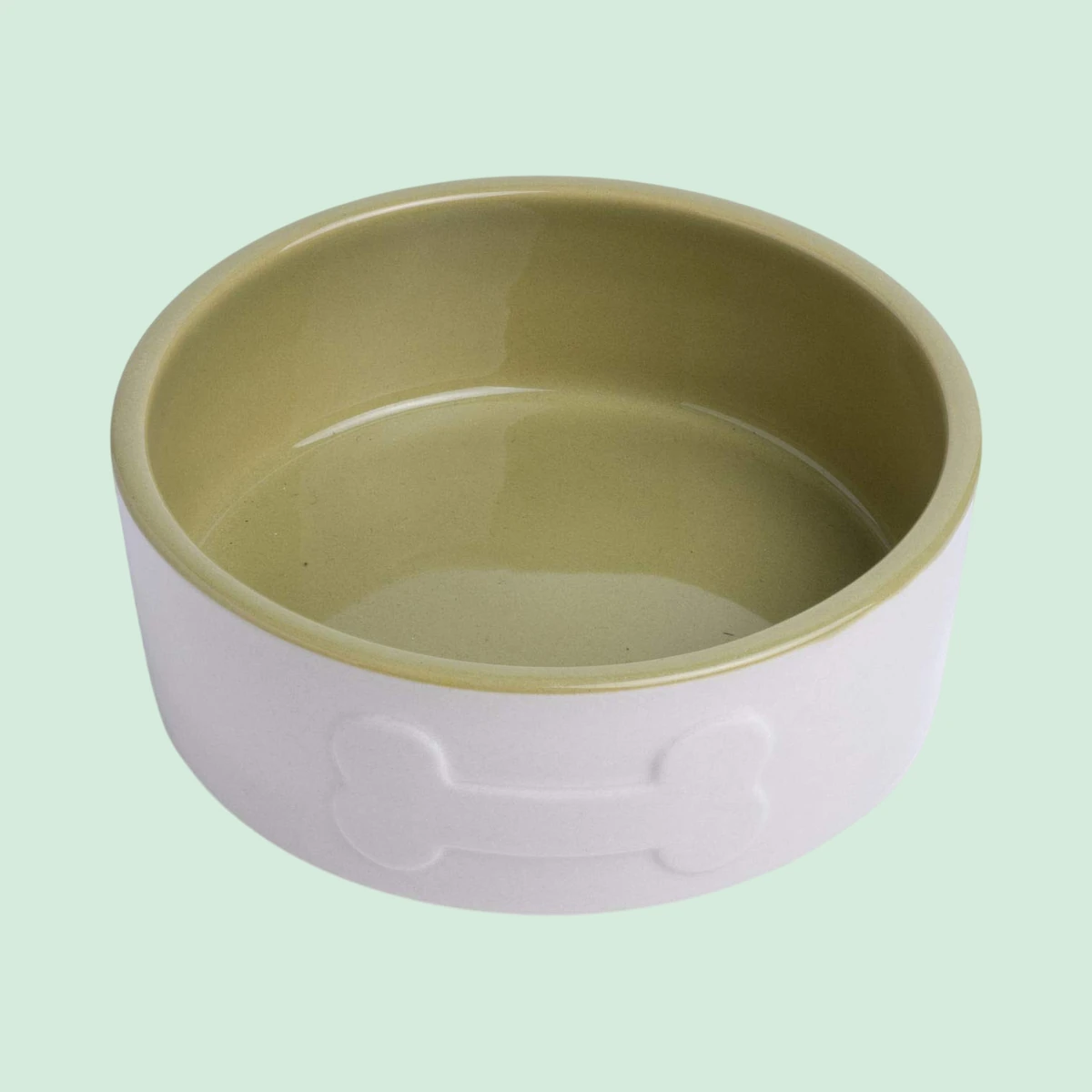
Petface
A 15cm ceramic dog bowl in cream and green, sized for toy and small breeds.
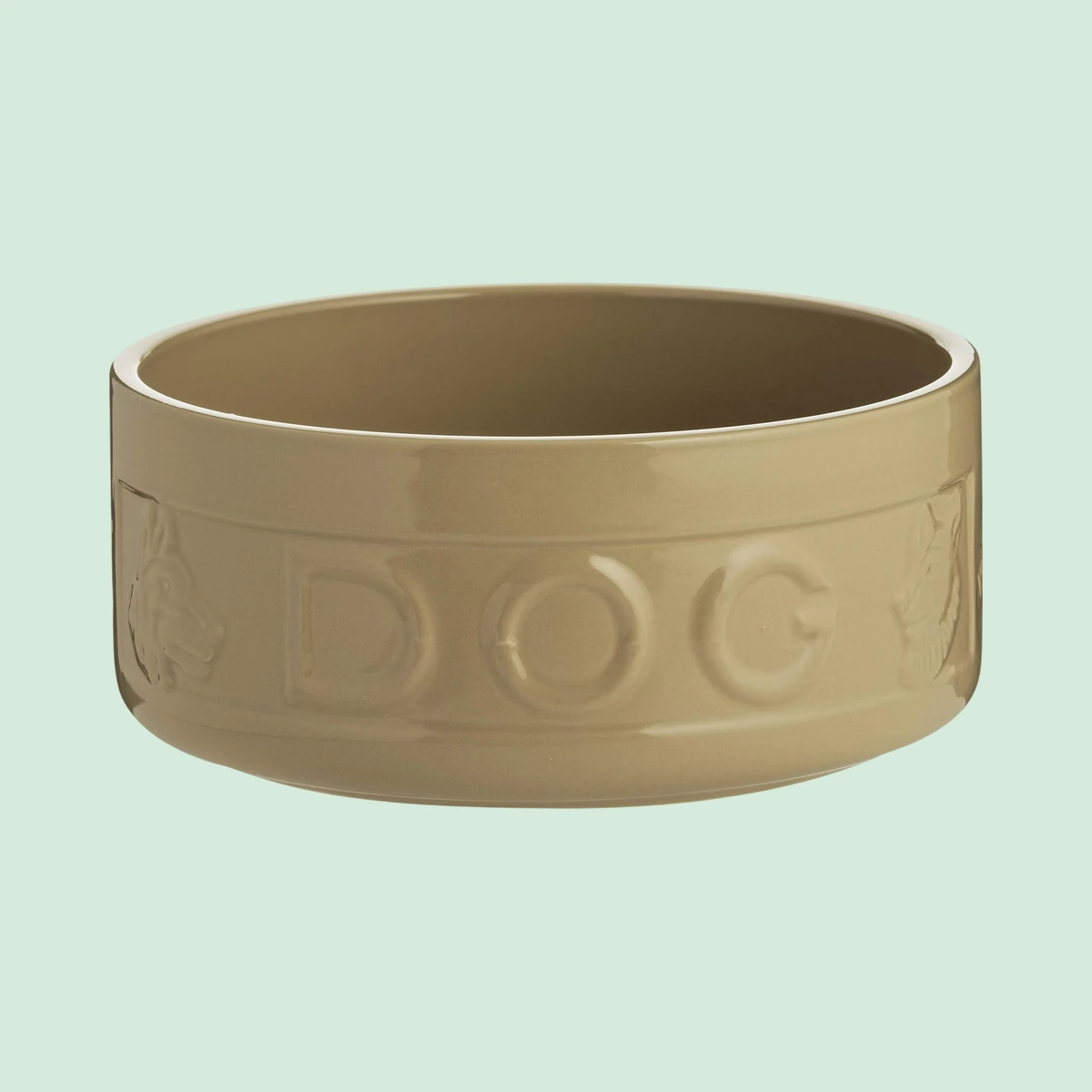
Mason Cash
The Derbyshire stoneware classic, a 20cm dog bowl holding 1.6 litres and dishwasher safe.