



80/100Outstanding
4 varieties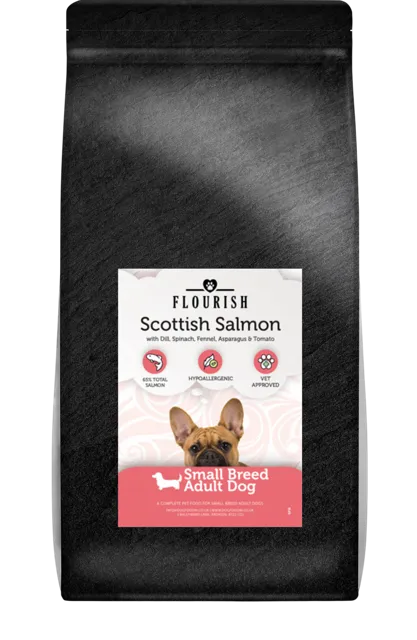
Flourish
Flavour
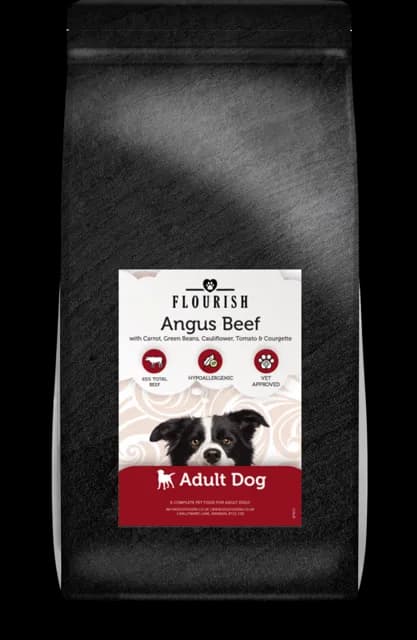
Two small-breed kibbles built around one named animal each, 65% of the recipe, with the kibble shrunk to fit a small mouth. Both run fresh and dried meat together on a sweet potato and bean base. The beef is the stronger bag on paper, though neither is short of meat.
Written by our editorial team. Independent guidance, not veterinary advice.
Listed for small-breed adults. Our daily figures use a 15 kg dog, so a genuinely small dog eats well under them; weigh from the bag's guide.
Dry
Adult
Small
Salmon
All two Excellent. Typical dry food: Good.
Both bags start from the same generous meat headline; the salmon's shorter mineral panel and heavier plant side are what keep it behind the beef.
Vitamins A, D3 and E, then zinc, iron, manganese and iodine; no copper or selenium is printed.
Every animal ingredient is fish, and nucleotides appear only in this recipe.
Named ingredients
For a small dog that gets on with fish, still a sound bowl.
Both recipes declare 65% of a single named animal and print the split: fresh meat, dried meat, then the animal's own fat or oil. The dried shares, 25% and 22%, are what carry the finished kibble. Sweet potato and beans bind it, beet pulp adds fibre, and the same dosed joint pack sits in both.
What varies is the build. The beef runs richer, with carbohydrate estimated at 29.9% of dry matter against 36.9% in the salmon, and its trace element panel is the fuller one. Each gets its own dried superfood blend.
33%
14.5%
2.5%
8%
8%
35.9%
15.8%
2.7%
8.7%
36.9%
Estimated breakdown of the finished product by ingredient category, from the declared ingredient list and ingoing weights. These are estimates, not measurements.
26.3%
65%
8.7%
Premium end of the market for a dry food, with the analysis broadly earning the price.
Ingredients and nutrition are taken from manufacturer data. Retailer pricing is not yet live for this food.
Ranked shortlists that include foods like this one.
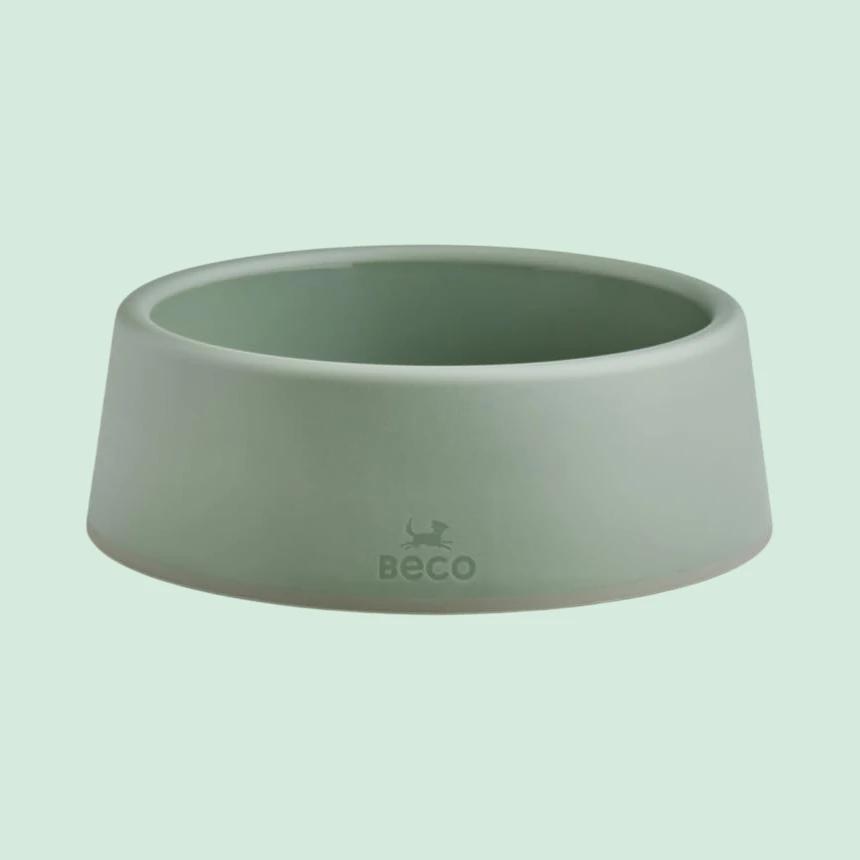
Beco
A recycled plastic dog bowl with a wide weighted base that stays where you put it.
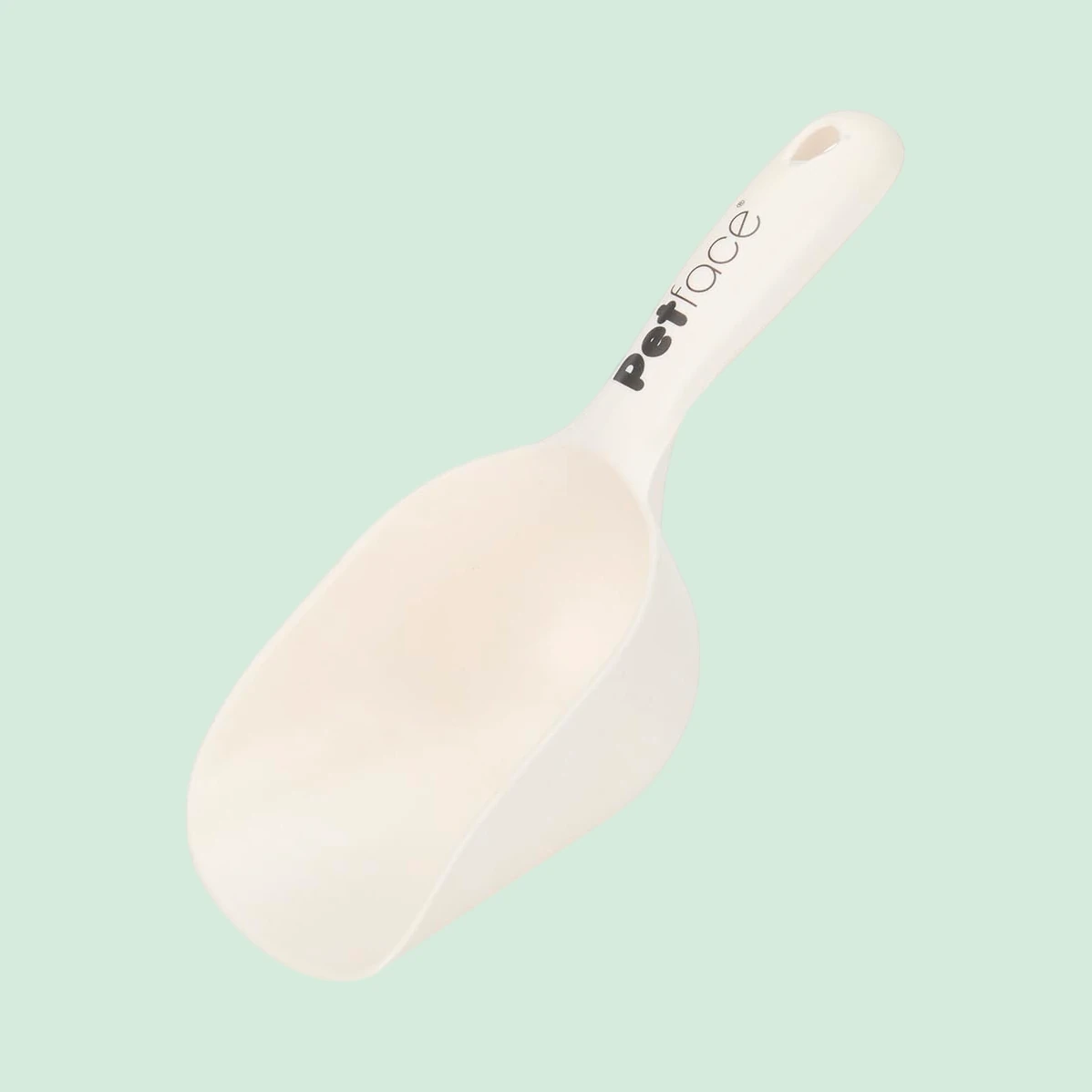
Petface
A light plastic food scoop that makes measuring kibble a daily habit.
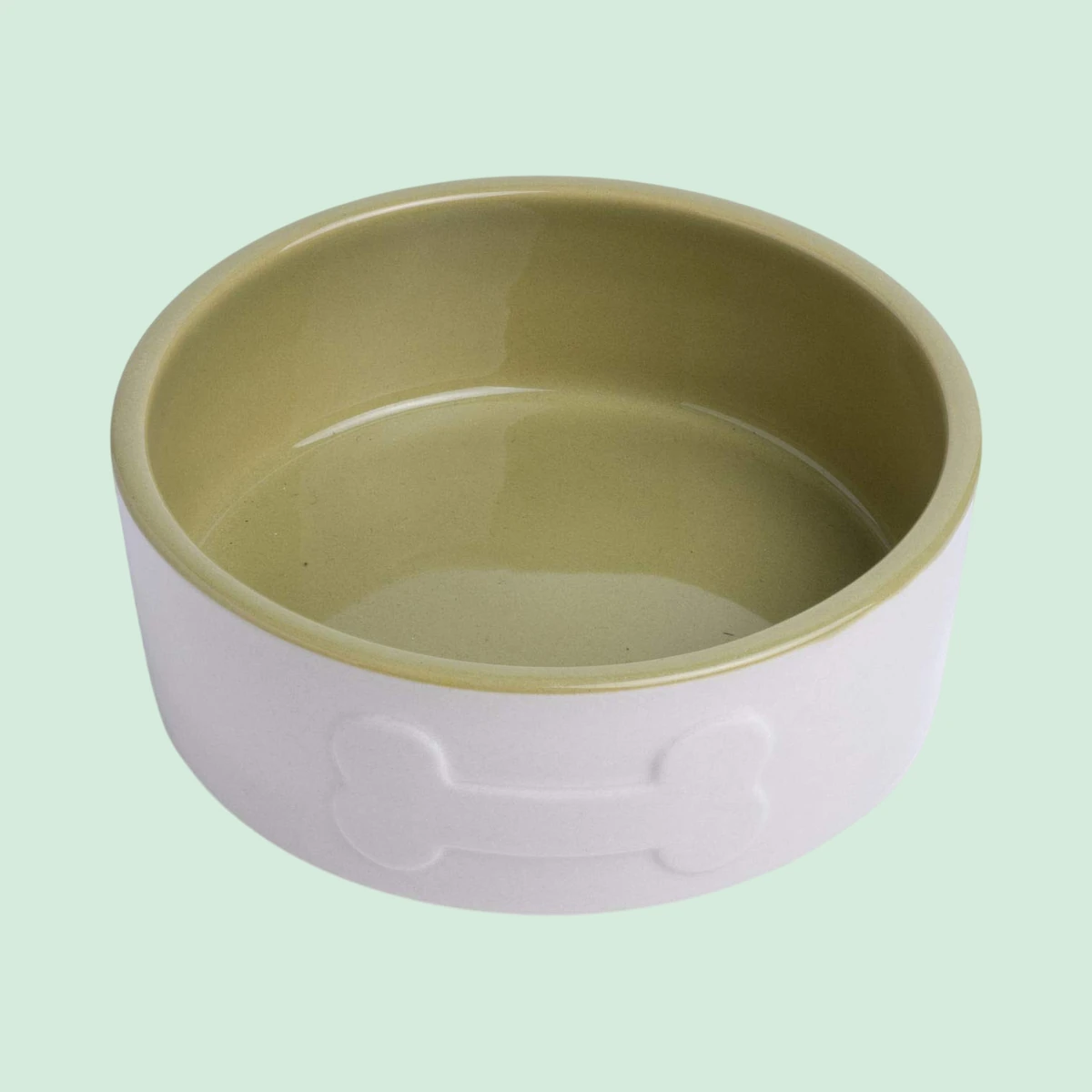
Petface
A 15cm ceramic dog bowl in cream and green, sized for toy and small breeds.
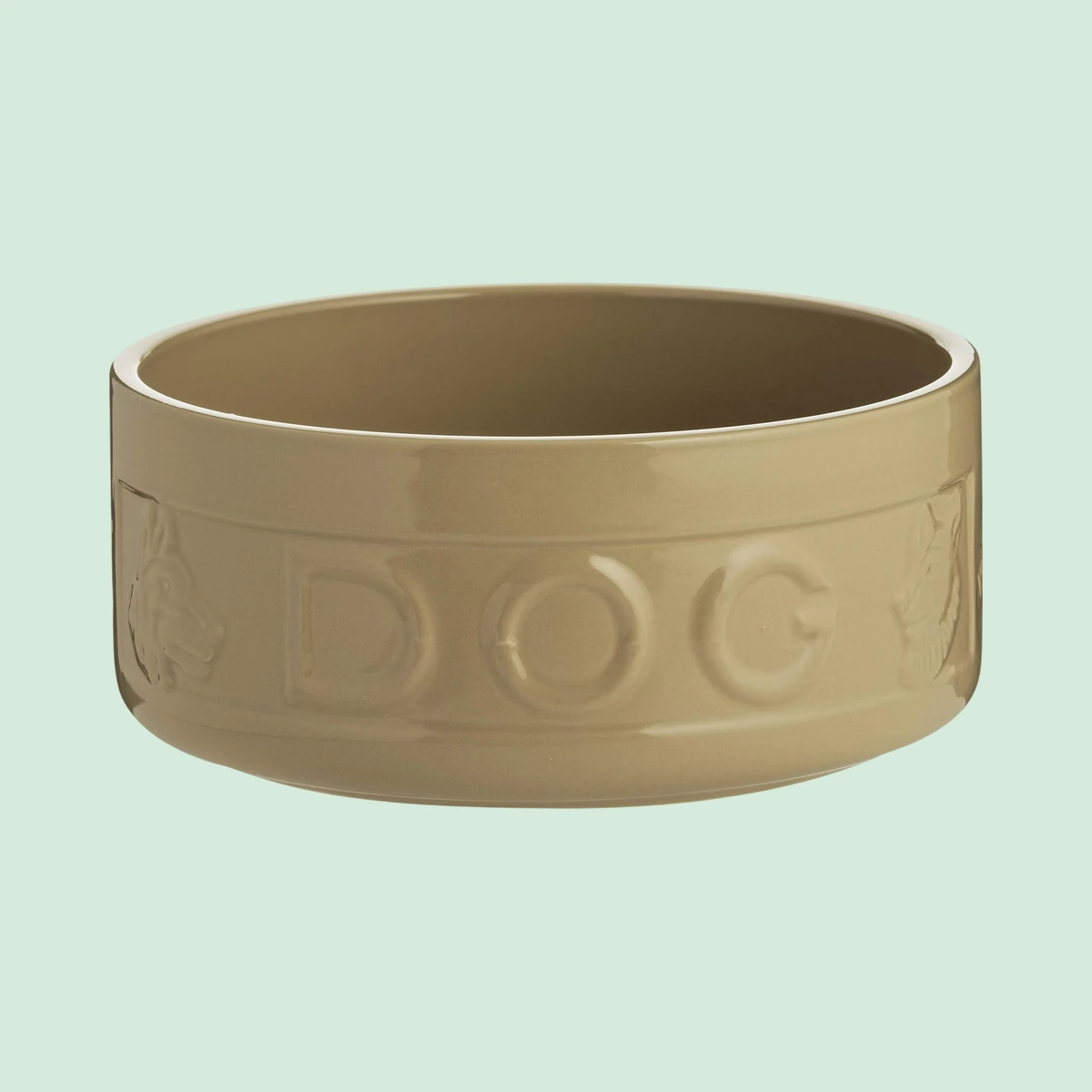
Mason Cash
The Derbyshire stoneware classic, a 20cm dog bowl holding 1.6 litres and dishwasher safe.
