



45/100Average
Wilko
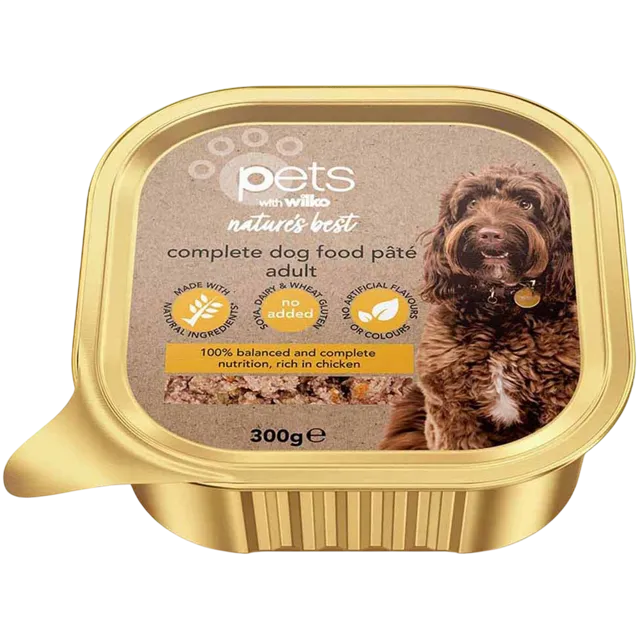
Wilko Natures Best Tins: Rich in Chicken review
60/100Good
WetAdult
Flavour
Two meat-led tins with very little starch in them, held in our Good band by a label that names only one animal. The analysis is the strong part: protein at 55.6% of dry matter and an estimated 3.3% carbohydrate. The ingredient list is unusually short for a supermarket tin, and vague where it matters most.
Where to buy: coming soon
Live retailer links are coming soon. Once we have them from UK retailers, where to buy and the best price will appear here.
Our view
Likely to suit
- Dogs that do better with the starch kept down. Carbohydrate is an estimated 3.3% of dry matter, where the typical adult wet food runs nearer 15.8%
- A straight choice between beef and chicken, with nothing else changing between the tins
- Dogs that gain weight easily, at an estimated 80 kcal per 100g
- Owners who like the water in the dinner. Moisture is declared at 82%
- Label readers who prefer a short list ending in fruit and herbs
Worth watching
- Only the headline animal is pinned down. The rest of the meat sits inside meat and animal derivatives, so neither tin can anchor an elimination diet
- Fish oils in both, one for the owner of a fish-avoiding dog
- Derivatives of vegetable origin covers the plant side, and the source can change while the wording stays put
Written by our editorial team. Independent guidance, not veterinary advice.
How this scores
How we score60/100Good
Protein and processingGood
Nutritional balanceOutstanding
TransparencyAverage
ValueGood
The details
Dog fit
Listed for adult dogs. The calorie figure is our estimate, so weigh the dog for the first few weeks and adjust the portion.
Food type
Wet
Life stage
Adult
Main protein
Chicken
The score, in context
- Rich in Chicken 60.0
- Wilko Natures Best Tins 59.5
All two Good. Typical wet food: Excellent.
The two tins score almost level, and the unnamed meat holds both of them back more than anything in the analysis.
What's in it
- Meat and animal derivatives (chicken 14%)14% chickenChicken is the one named animal. The rest of the meat is left open.
- Minerals
- Oils and fats (fish oils 0.15%)0.15% fish oilsFish oil for a little omega 3.
- Derivatives of vegetable origin (chicory 0.08%)0.08% chicoryChicory for inulin; the other plant sources go unnamed.
- Cranberry, blueberry
- Rosemary, parsley, spinachHerbs at a modest amount.
Vitamin D3 at 140 IU/kg and vitamin E at 30 mg/kg, plus zinc at 12 mg/kg and iodine at 0.3 mg/kg among the trace minerals.
Chicken is the meat most dogs meet first, which cuts both ways for a dog whose digestion has objected to it before.
Named ingredients
Meat and Animal Derivatives (Chicken* 14%), Minerals, Oils and Fats (Fish Oils* 0.15%), Derivatives of Vegetable Origin (Chicory* 0.08%), Cranberry*, Blueberry*, Rosemary*, Parsley*, Spinach*. *Natural ingredients.
Against the range
- Named meat
- Chicken, 14%
- Beef at 14% in the other tin.
- Rest of the label
- Identical
- Word for word the same.
- Analysis
- 55.6% protein, 27.8% fat in dry matter
- The same in both.
The lighter meat of the two, and the first pick unless chicken has caused trouble before.
Two tins, word for word the same apart from the animal named at 14%: beef in one, chicken in the other. That animal sits inside a meat and animal derivatives entry, and the rest of the meat is not named. Fish oils at 0.15% and chicory at 0.08% are the two flagged extras, then cranberry, blueberry and three green herbs close the list. The analysis is identical across both: 55.6% protein and 27.8% fat in dry matter, with an estimated 3.3% carbohydrate.
Nutritional analysis
Declared analysis
Energy
79.6 kcal/100g
Estimated using Modified Atwater factors*
Protein
10%
Fat
5%
Fibre
0.4%
Ash
2%
Moisture
82%
Dry weight
Protein
55.6%
Fat
27.8%
Fibre
2.2%
Ash
11.1%
Carbs
3.3%
As-fed composition
Estimated breakdown of the finished product by ingredient category, from the declared ingredient list and ingoing weights. These are estimates, not measurements.
Meat
44.9%
Added water
17%
Carbs
9.7%
Veg
0.5%
Oils
8.1%
Other
19.8%
Pricing & size
- Price per kilo
- £1.88 (RRP)
- Pack
- 300g
- A 15kg dog eats
- 750 to 1200 g a day, 975 in the middle
- Cost per day, 15kg dog
- £1.83
The tin's own guide puts a 15 kg adult on roughly 975 grams a day, which is a lot of tins.
Budget end of the market for a wet food, though you pay a little more than the analysis alone would justify.
Ingredients and nutrition are taken from manufacturer data. Retailer pricing is not yet live for this food.
Related dog food guides
Ranked shortlists that include foods like this one.
Related foods
All reviews
40/100Average
2 varieties
37/100Average
37/100Average
Featured feeding accessories
All feeding accessories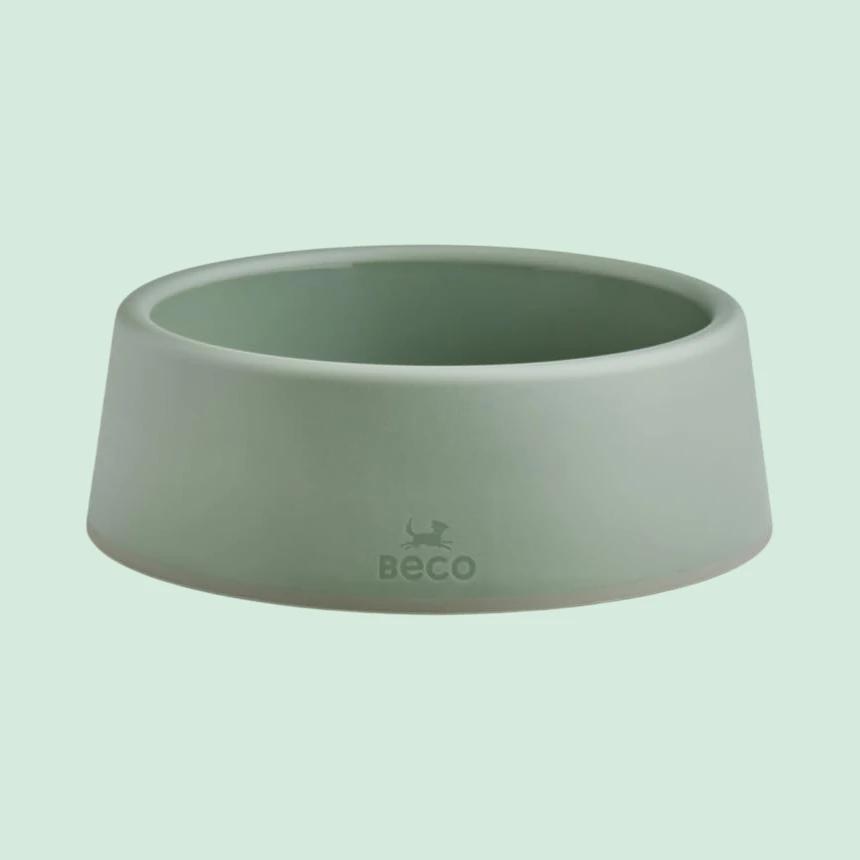
Beco
Steady Bowl
A recycled plastic dog bowl with a wide weighted base that stays where you put it.
£
View on Amazon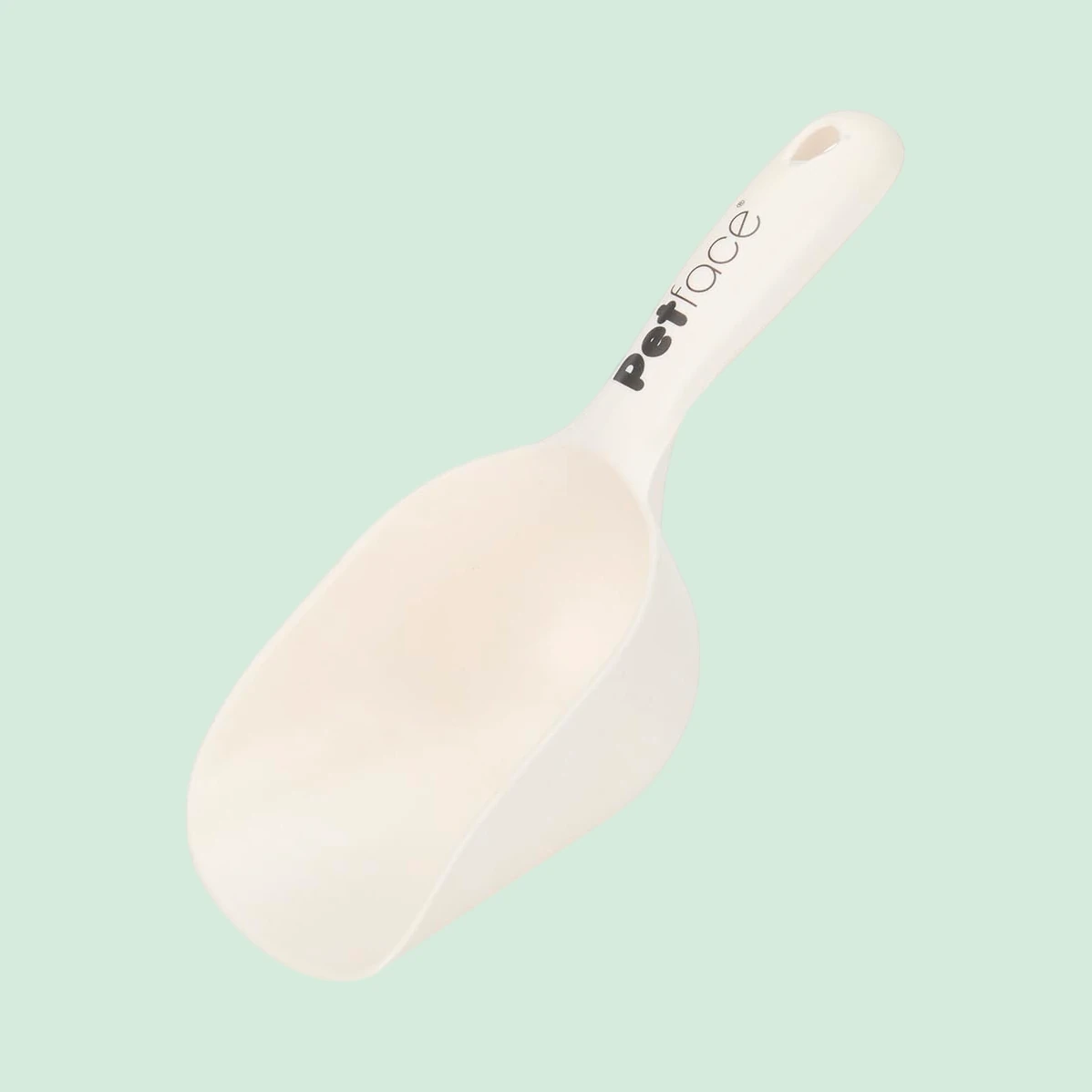
Petface
Pet Food Scoop
A light plastic food scoop that makes measuring kibble a daily habit.
£
View on Amazon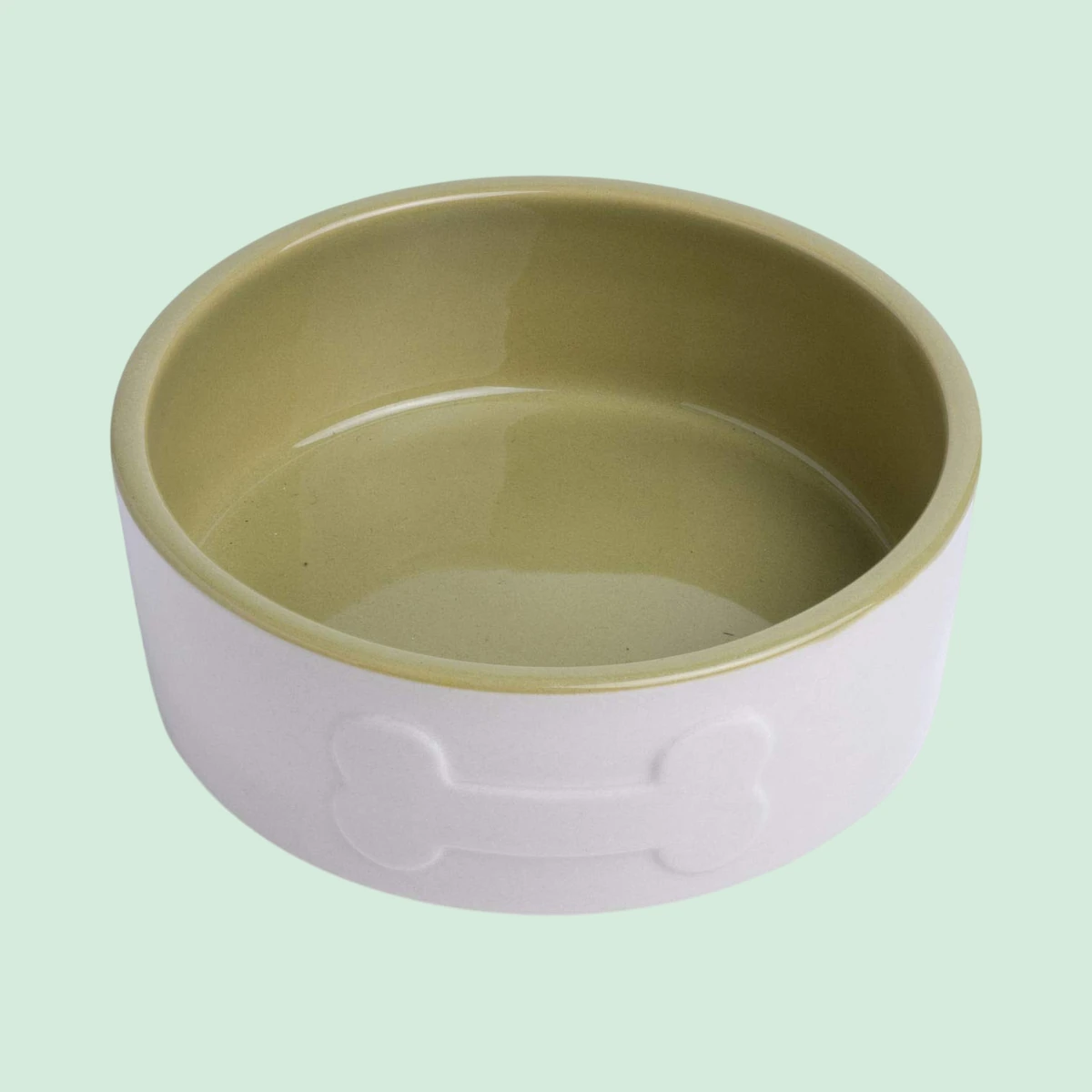
Petface
Ceramic Bone Bowl, 15cm
A 15cm ceramic dog bowl in cream and green, sized for toy and small breeds.
£
View on Amazon
Mason Cash
Cane Dog Bowl, 20cm
The Derbyshire stoneware classic, a 20cm dog bowl holding 1.6 litres and dishwasher safe.
££
View on Amazon