


76/100Excellent
2 varieties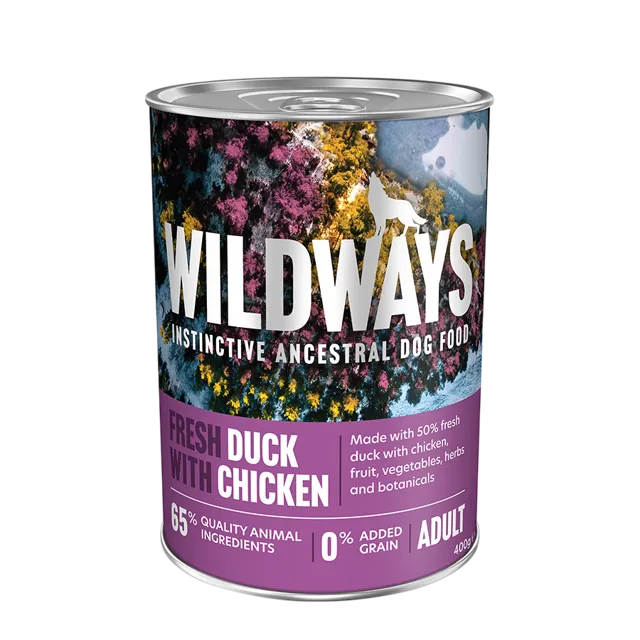
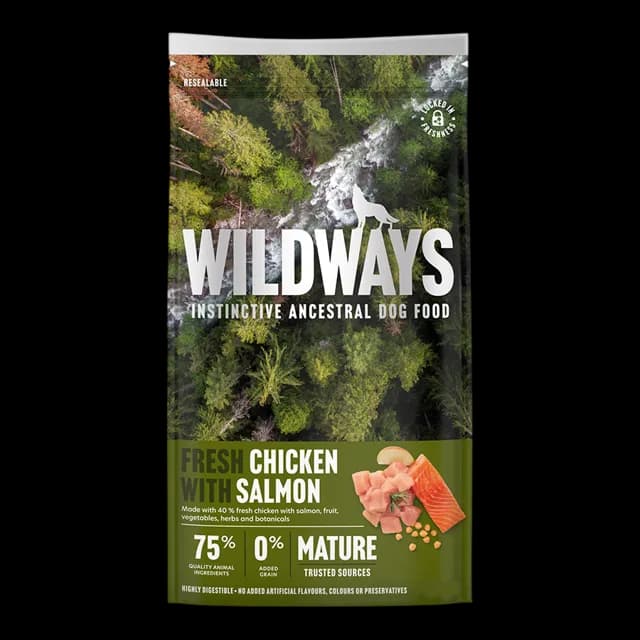
Wildways
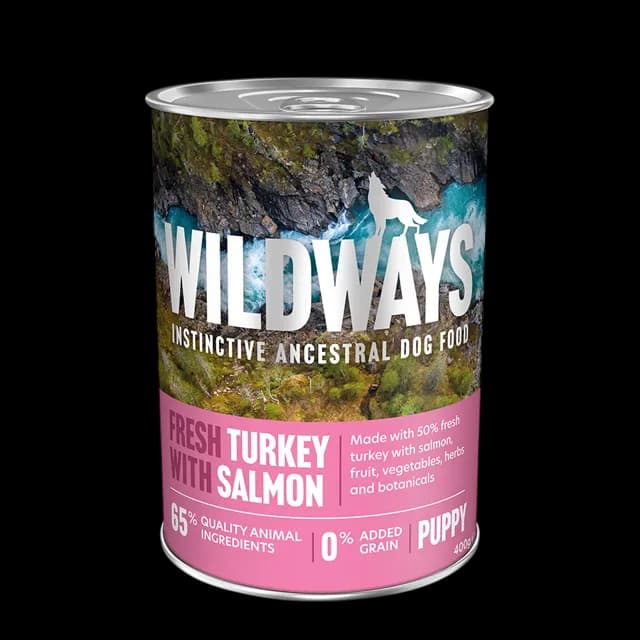
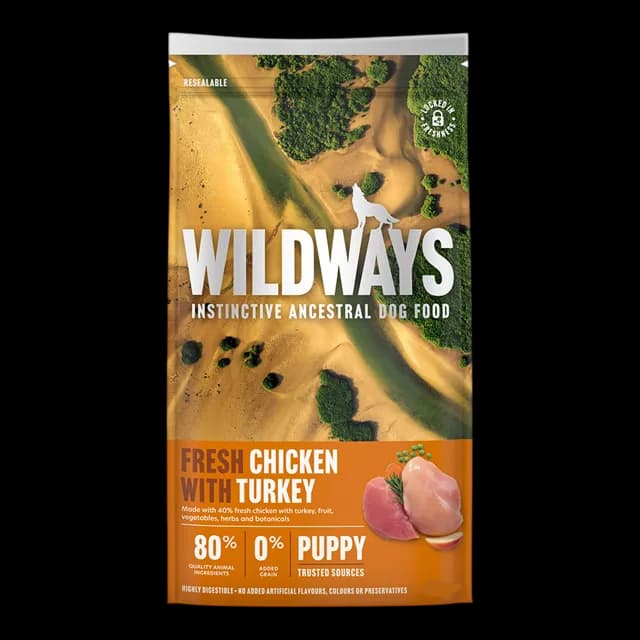
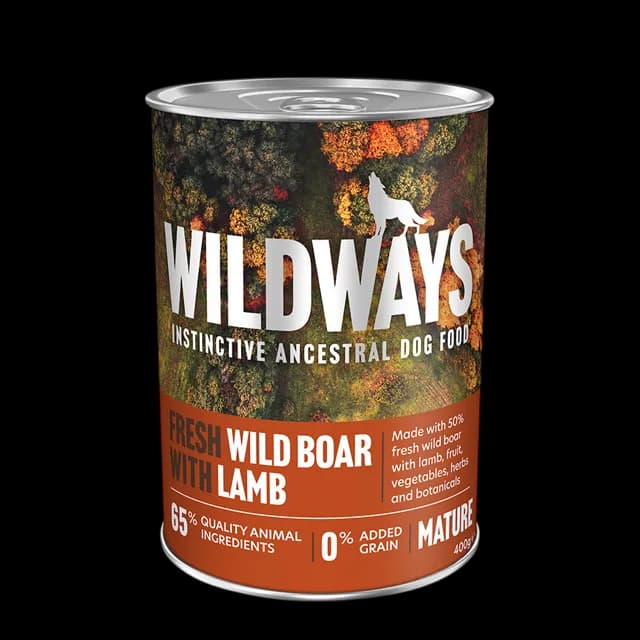
Less common meats with a percentage printed against nearly every one, and all four recipes in our Excellent band. Duck at 51%, wild boar at 50% and turkey at 59% carry their share on the front. The beef with venison recipe is actually led by fresh chicken.
Written by our editorial team. Independent guidance, not veterinary advice.
Listed for adult dogs of every size. Check which label you are reading before you buy, since names, fibre and added panels differ more than the shared band suggests.
Wet
Adult
Toy, Small, Medium, Large, Giant
Duck
All four Excellent. Typical wet food: Excellent.
Barely anything separates the four, so the choice is which meat suits your dog, and fibre from lignocellulose is what stops the range climbing further.
The fullest panel in the range: vitamins A, D3, E and B1 with biotin, and zinc, iron and manganese as chelates.
Salmon oil on the list, so not fish free.
Named ingredients
The best-documented label of the four.
Every animal on every label is named and nearly every one is numbered, with protein converting to between 35.6% and 41.0% of dry matter. Pea flour is the one plant entry doing real work, as a binder and fibre source. The 400g pair add blackberries at 4%; the 300g pair use pumpkin, apple and a little kale.
Lignocellulose, a purified plant fibre, appears on three labels at 0.5% to 1%. The 300g pair also carry prebiotics, taurine at 800 mg and a derivatives of vegetable origin entry at 1.4%. Added panels differ from recipe to recipe, and declared calcium runs from 0.91% to 2.81% of dry matter.
8%
6%
0.7%
2.5%
78%
36.4%
27.3%
3.2%
11.4%
21.7%
Estimated breakdown of the finished product by ingredient category, from the declared ingredient list and ingoing weights. These are estimates, not measurements.
74.9%
16.5%
2.3%
0.6%
5.8%
A 15kg dog eats around 695 grams a day, close to two cans.
Mid-market for a wet food, and the price runs a touch ahead of what the analysis shows.
Ingredients and nutrition are taken from manufacturer data. Retailer pricing is not yet live for this food.
Ranked shortlists that include foods like this one.
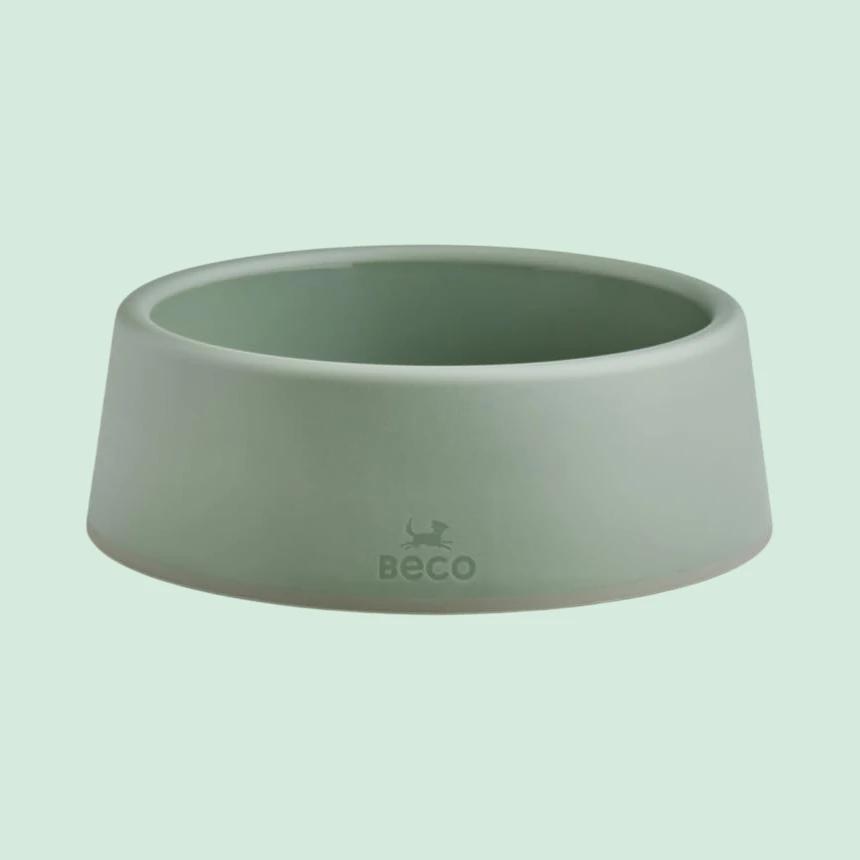
Beco
A recycled plastic dog bowl with a wide weighted base that stays where you put it.
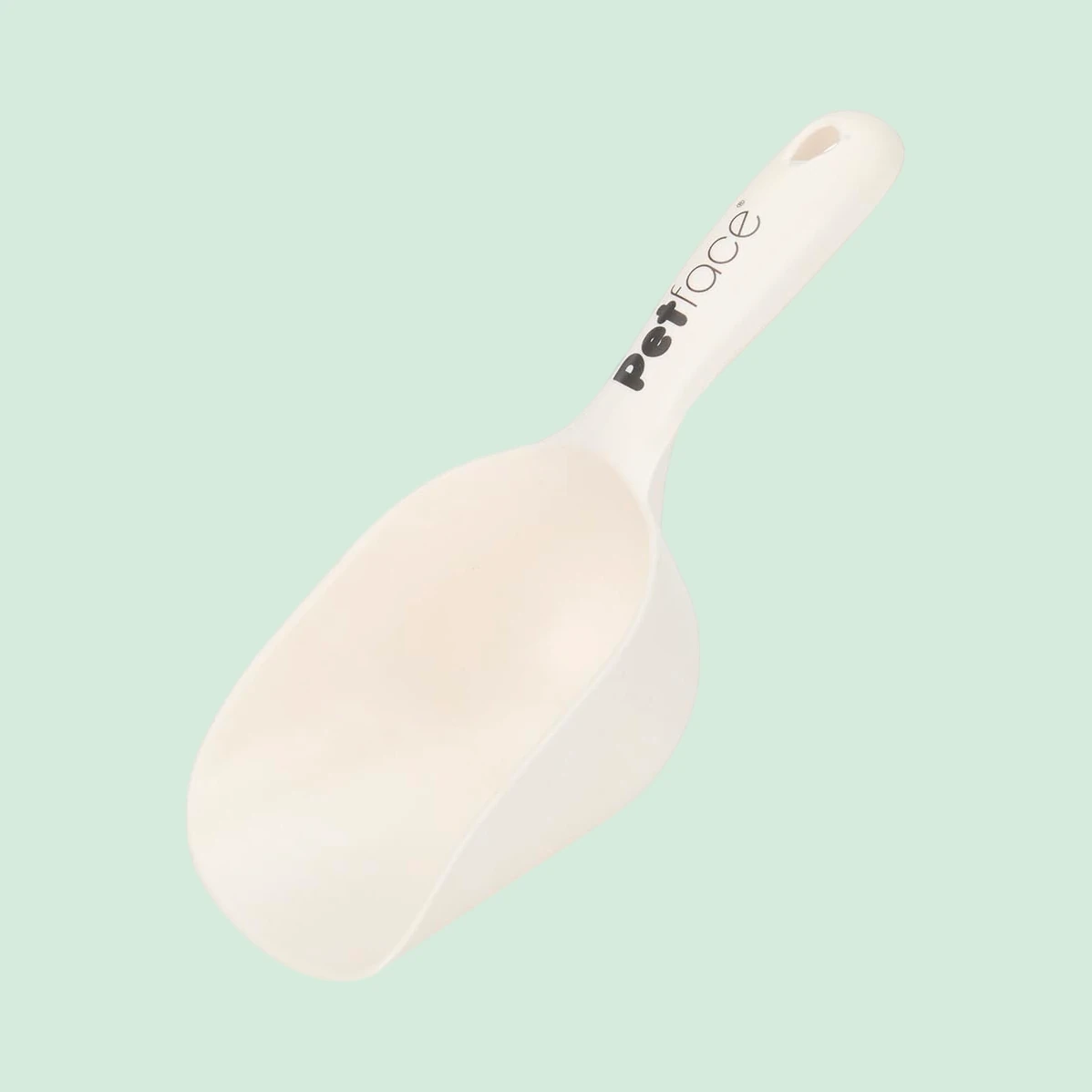
Petface
A light plastic food scoop that makes measuring kibble a daily habit.
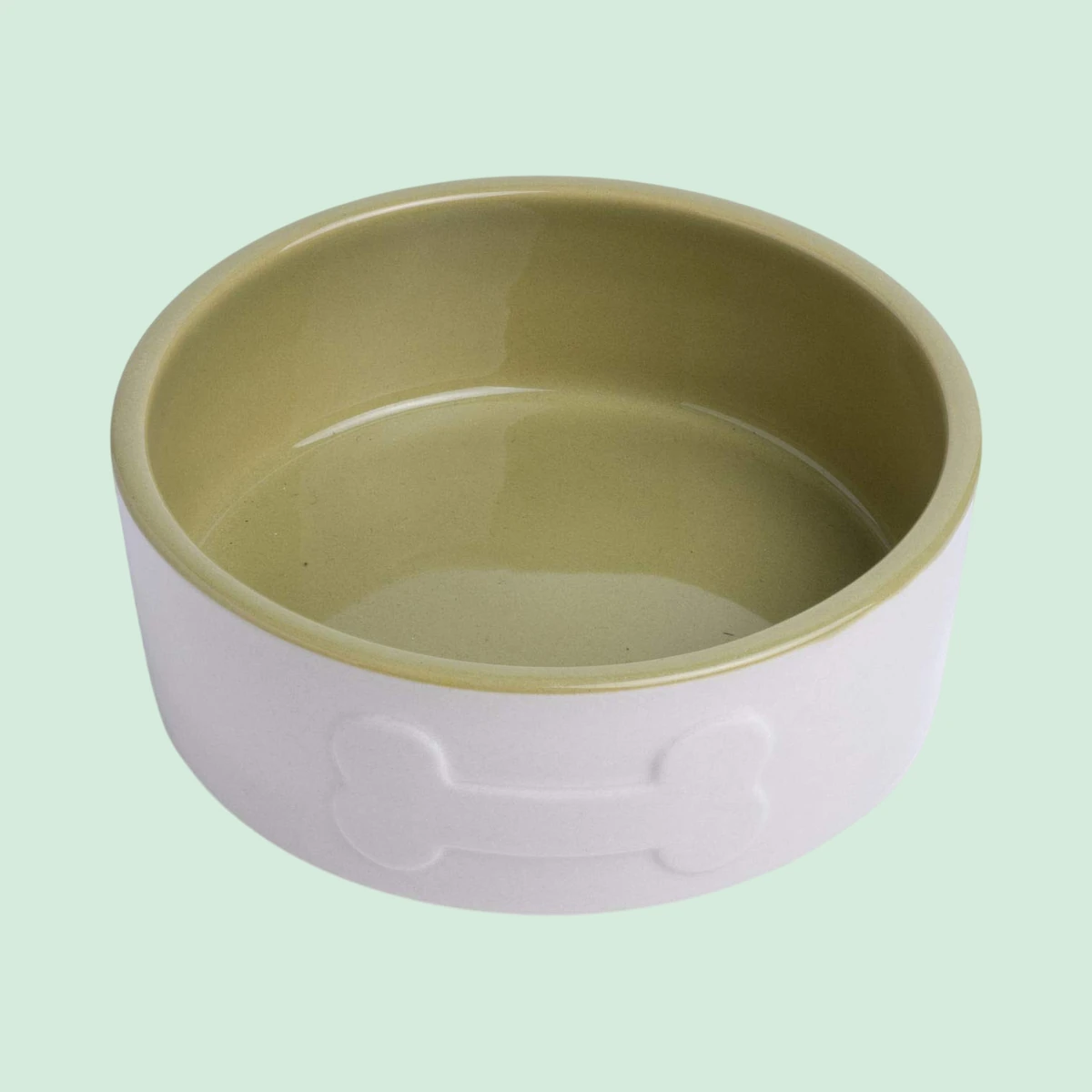
Petface
A 15cm ceramic dog bowl in cream and green, sized for toy and small breeds.
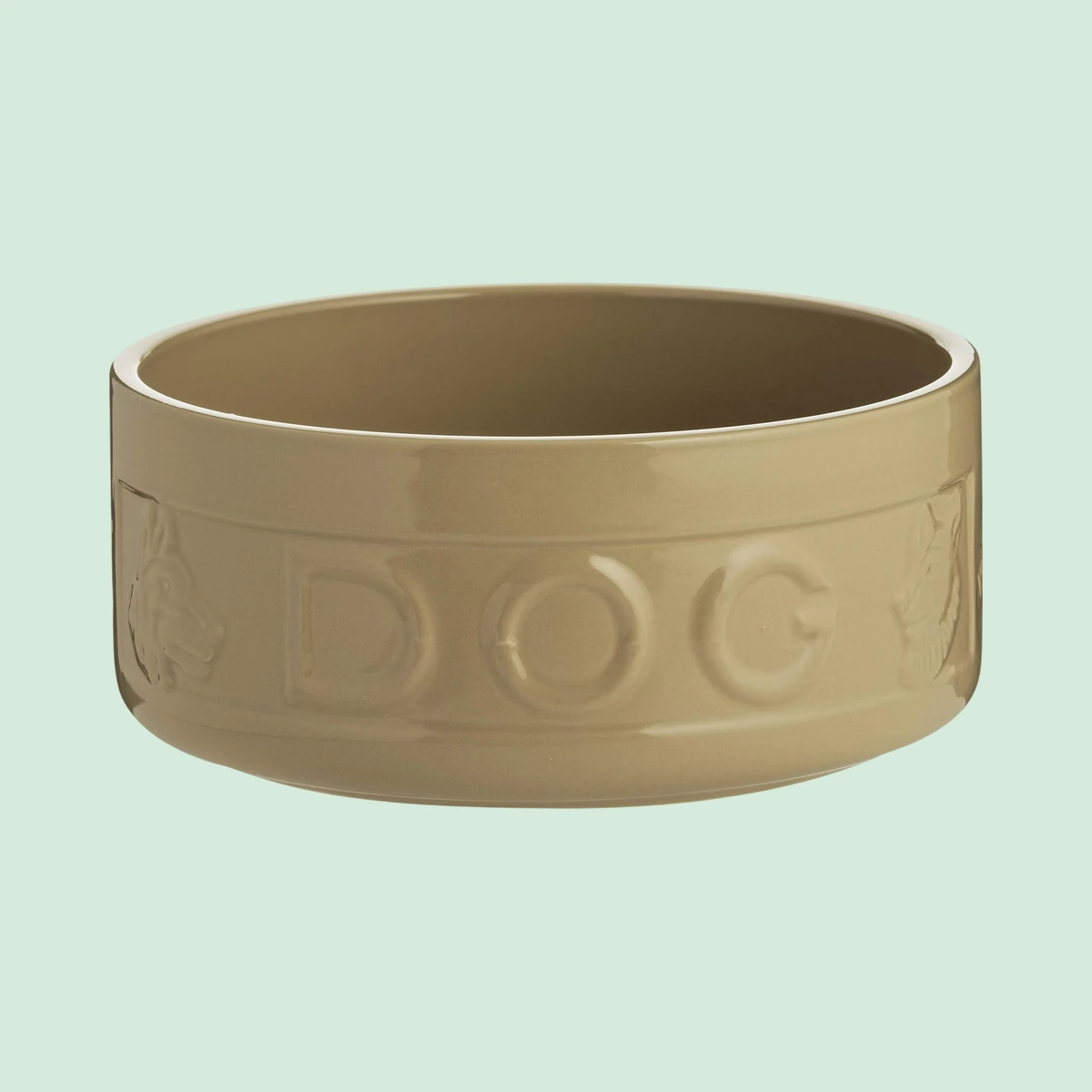
Mason Cash
The Derbyshire stoneware classic, a 20cm dog bowl holding 1.6 litres and dishwasher safe.