


89/100Outstanding
Terra Canis
We don't put a score on this food. It is a veterinary diet, formulated for a diagnosed condition and meant to be fed on a vet's advice. Your vet has seen your dog and we have not, so a number from us could only pull you towards their advice or away from it, and neither of those is ours to do. What follows is what the label declares, what the analysis works out at, and where to buy it, with no judgement attached to any of it.
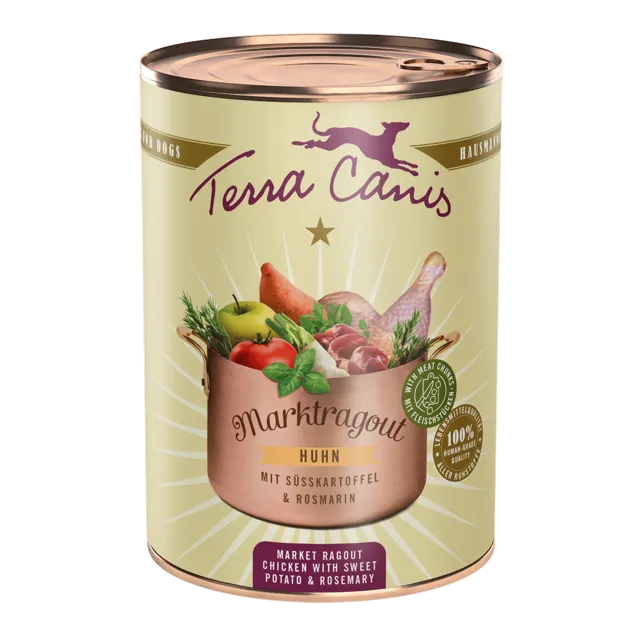
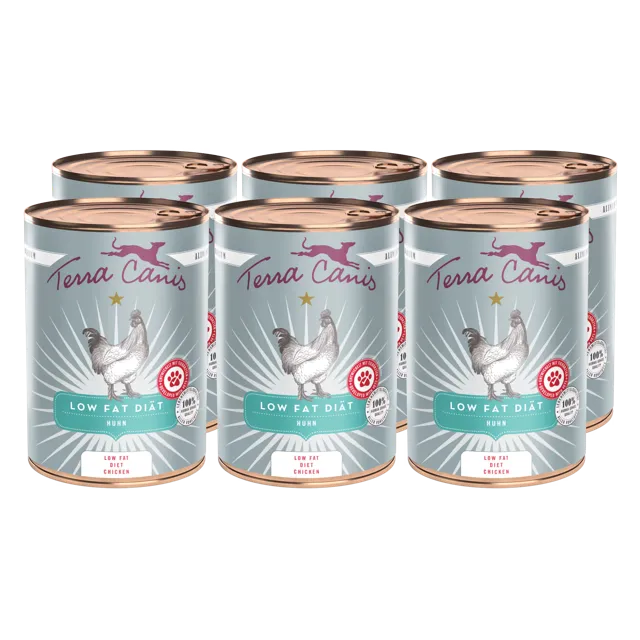
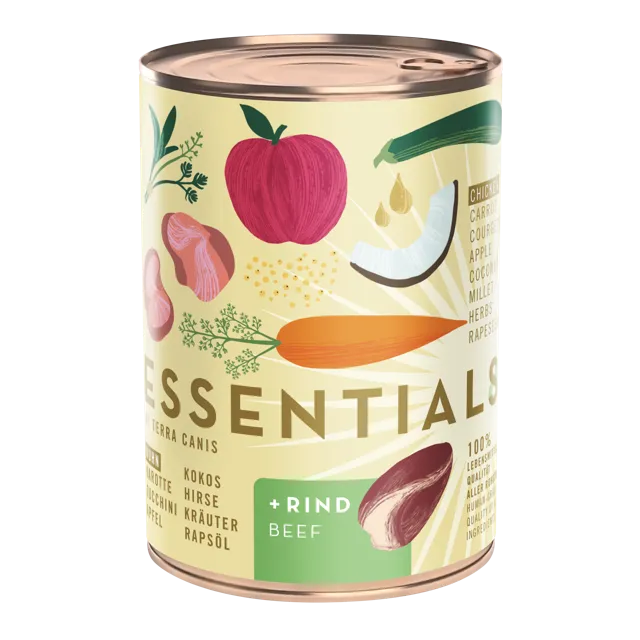
Terra Canis sells these two in its Diet range as Low Fat, tins the maker builds on a single meat with the fat pared right back for dogs whose fat intake a vet is restricting.
Two low-fat veterinary tins from Terra Canis, each built on a single meat with the fat pared right back. We do not score them, because they are meant for a dog whose fat intake a vet is restricting. The chicken tin is mostly organ meat; the kangaroo tin gives its meat as one line.
Written by our editorial team. Independent guidance, not veterinary advice.
Listed for adults of every size, on a vet's advice. Check the daily amount with your vet: the printed guide asks 900 to 1300 grams for a dog of 10 to 20kg.
Wet
Adult
Toy, Small, Medium, Large, Giant
Chicken
Vitamins A and D3 with iodine, copper, manganese and zinc, each dosed on the tin.
Named ingredients
The familiar protein of the two, with the cuts itemised.
Both tins keep to one animal, chicken in one and kangaroo in the other, with no fish oil and no unnamed animal fat. Neither lists an added oil, so what fat there is comes from the meat itself.
The fibre is shared: cellulose and lupin meal, with psyllium husks and psyllium seed behind them. Coconut flour, artichoke leaf, brewer's yeast and chia seed appear on both lists, and both close with oyster shell, spirulina and a run of dried herbs. Both are worked out at 62 kcal per 100g.
6.9%
2.6%
1.8%
1.1%
82.9%
40.4%
15.2%
10.5%
6.4%
27.5%
Estimated breakdown of the finished product by ingredient category, from the declared ingredient list and ingoing weights. These are estimates, not measurements.
35%
34%
0.8%
16.1%
14.2%
Ingredients and nutrition are taken from manufacturer data. Retailer pricing is not yet live for this food.
Ranked shortlists that include foods like this one.
Beco
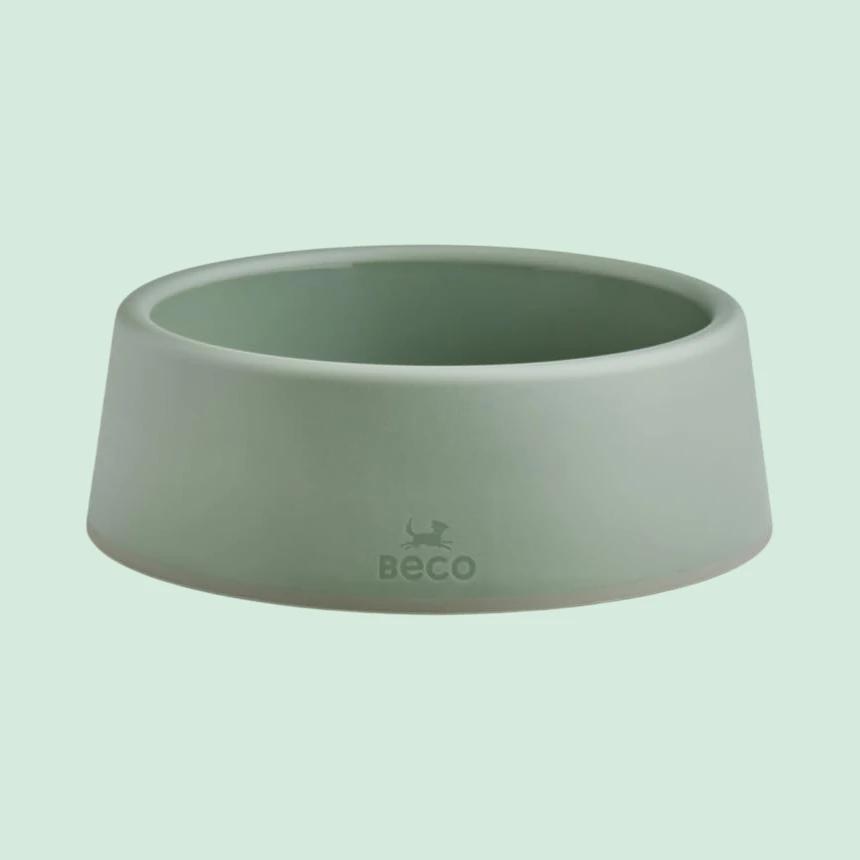
A recycled plastic dog bowl with a wide weighted base that stays where you put it.
Petface
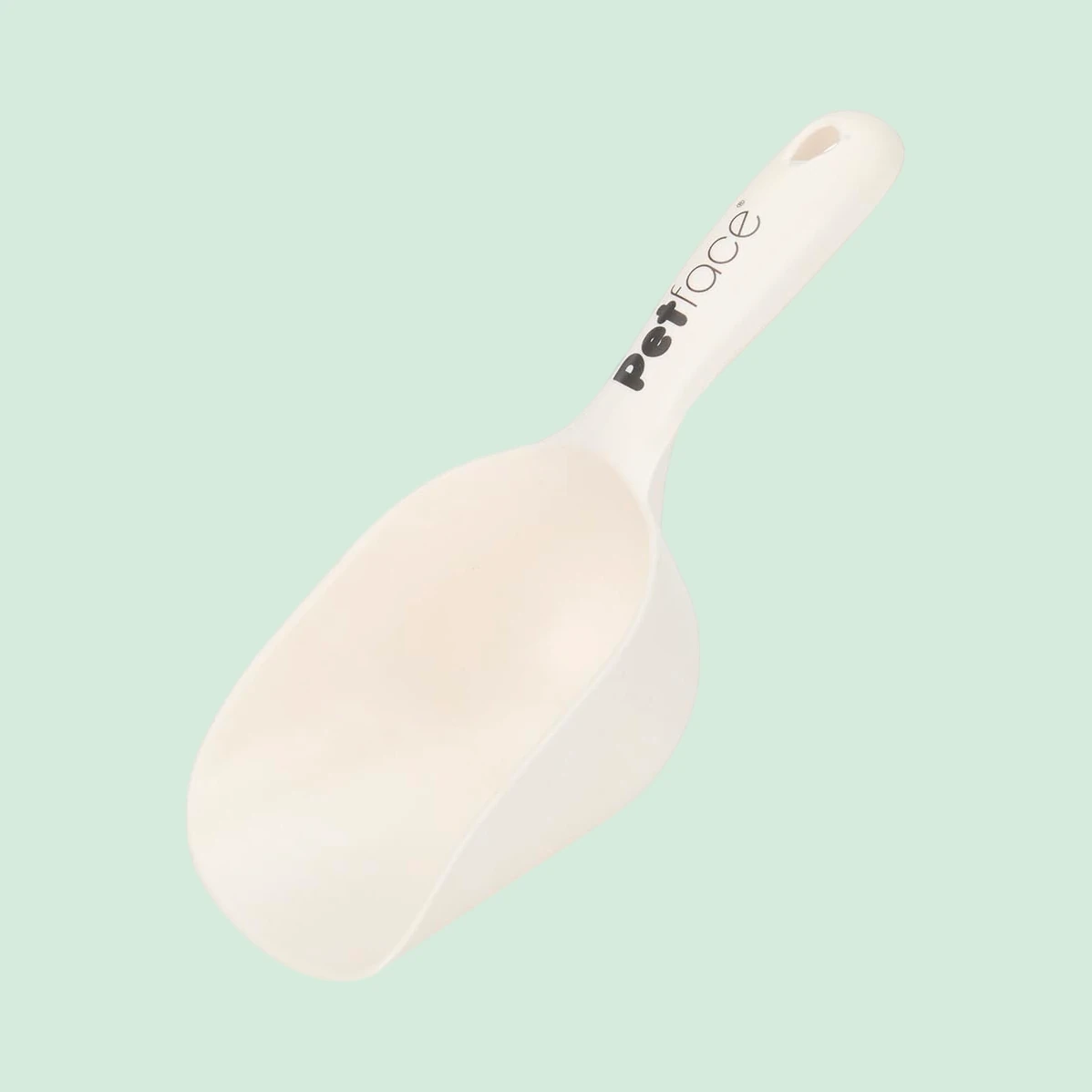
A light plastic food scoop that makes measuring kibble a daily habit.
Petface
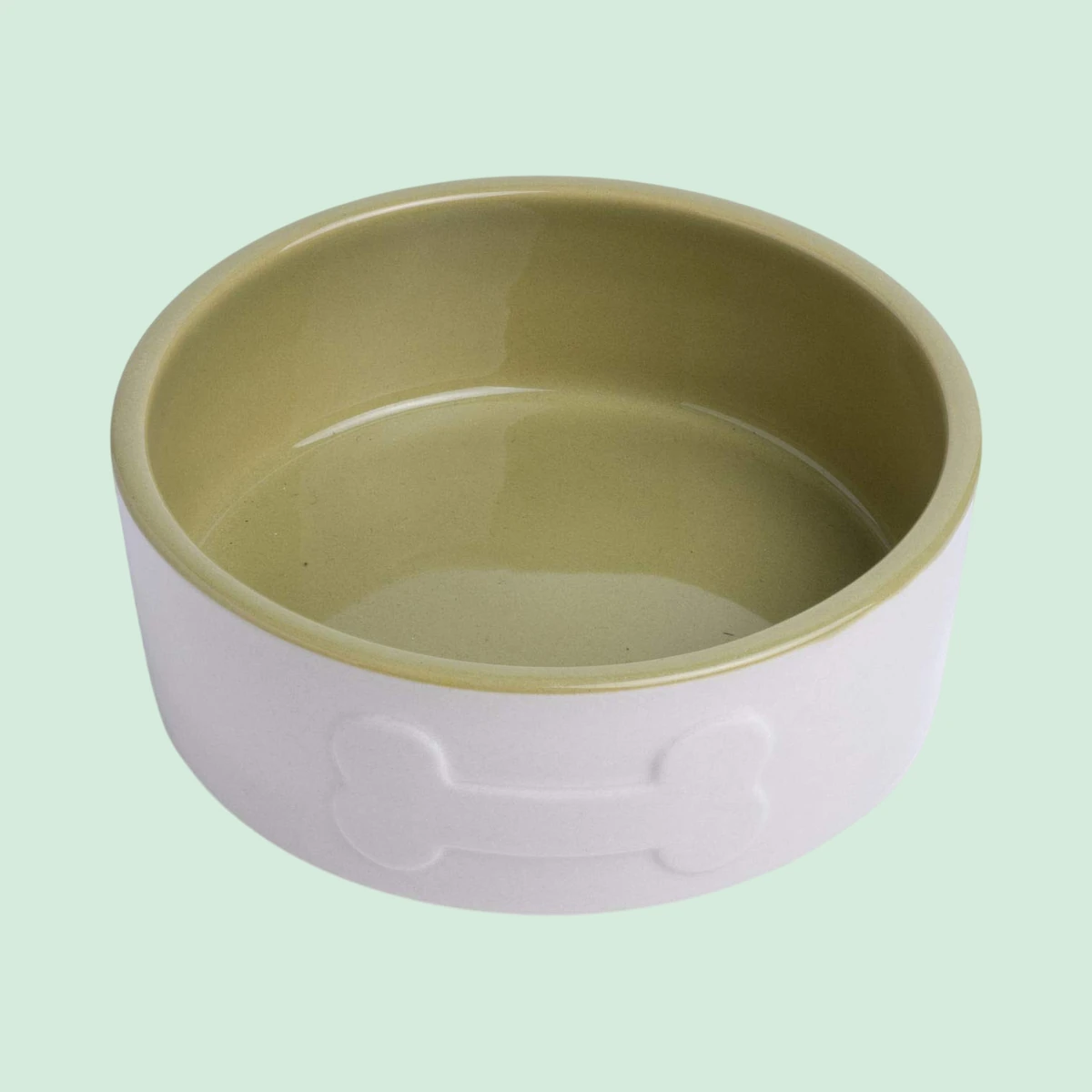
A 15cm ceramic dog bowl in cream and green, sized for toy and small breeds.
Mason Cash
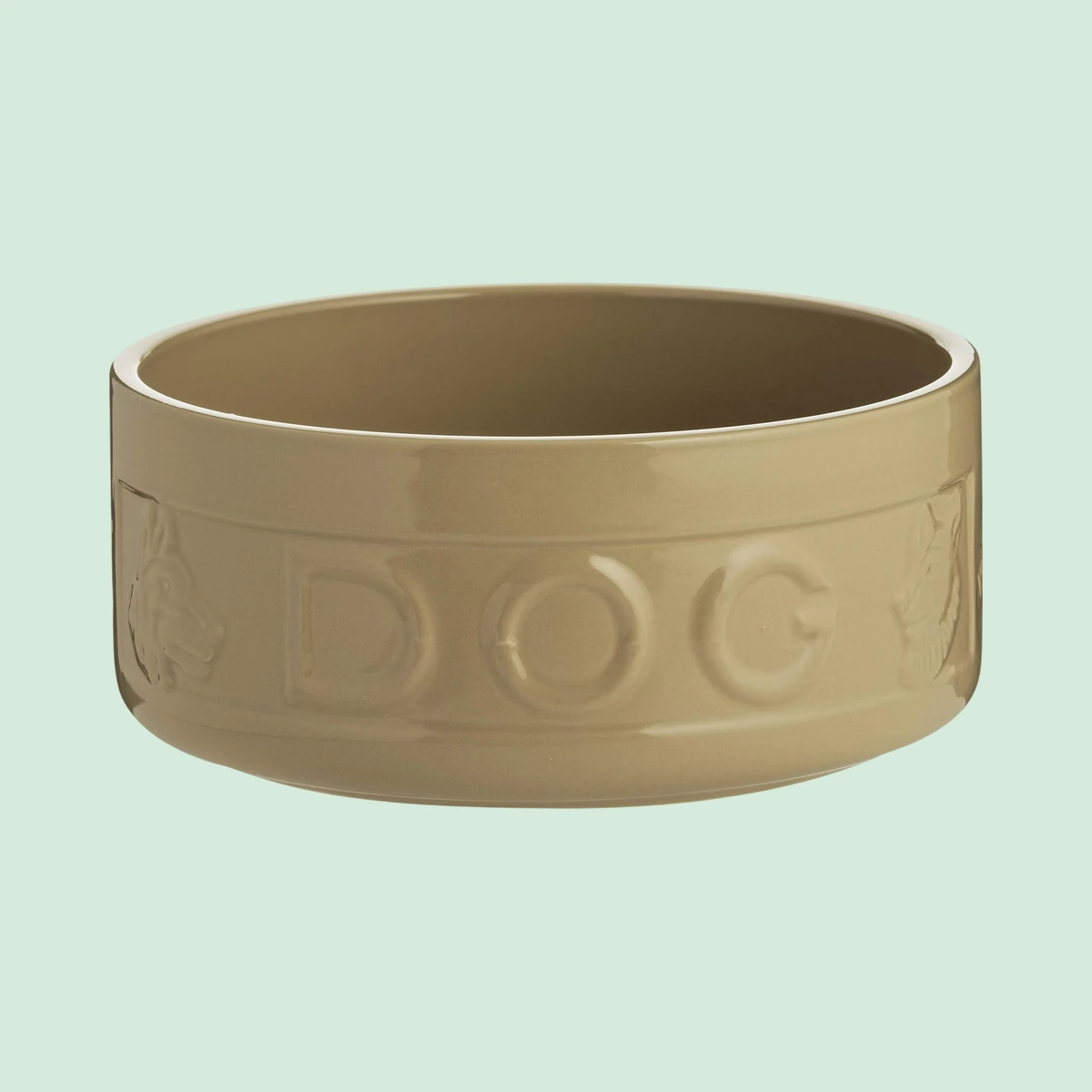
The Derbyshire stoneware classic, a 20cm dog bowl holding 1.6 litres and dishwasher safe.