



50/100Good
Royal Canin
We don't put a score on this food. It is a veterinary diet, formulated for a diagnosed condition and meant to be fed on a vet's advice. Your vet has seen your dog and we have not, so a number from us could only pull you towards their advice or away from it, and neither of those is ours to do. What follows is what the label declares, what the analysis works out at, and where to buy it, with no judgement attached to any of it.
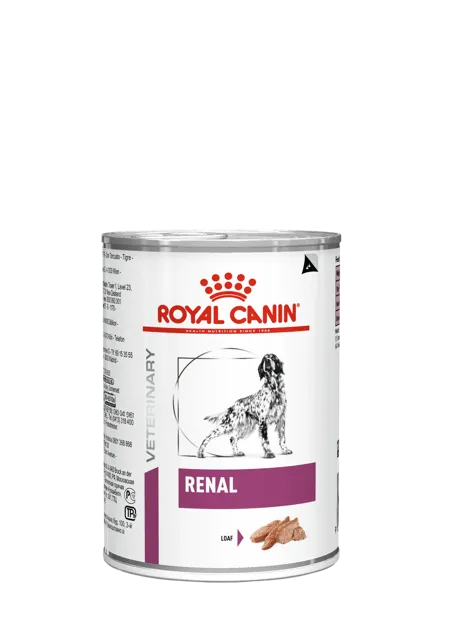
Renal is the kidney diet in Royal Canin's Veterinary Diet range. The canned loaf is built on poultry and pork by-products with the protein level held low, for dogs whose kidney disease a vet is managing.
Renal is the kidney diet in Royal Canin's Veterinary Diet range, a canned loaf for dogs whose kidney disease a vet is managing. We do not put a score on it. Protein is held low by design, at 15.9% of the dry matter, with rice and maize flour carrying the energy instead.
Affiliate link. As an Amazon Associate, Off the Leash earns from qualifying purchases.
Written by our editorial team. Independent guidance, not veterinary advice.
Listed for adult and senior dogs. Before ordering, confirm with the vet managing the case that this is the diet and the portion they want.
Wet
Adult, Senior
Small
Poultry
Vitamin D3 at 430 IU per kilo, with iron, iodine, copper, manganese and zinc each dosed, plus clinoptilolite at 0.4 g as a technological additive.
Phosphorus, the figure kidney patients are usually told to watch, is not printed. Calcium reads 0.5%.
Named ingredients
5.4%
9%
1%
1.7%
66%
15.9%
26.5%
2.9%
5%
49.7%
Estimated breakdown of the finished product by ingredient category, from the declared ingredient list and ingoing weights. These are estimates, not measurements.
69.1%
1%
26%
2.2%
1.7%
As a rough estimate a 15kg dog would be near 520 grams a day, though on a diet fed for a diagnosis the vet sets the portion.
Ingredients and nutrition are taken from manufacturer data. Retailer pricing is not yet live for this food.
Ranked shortlists that include foods like this one.
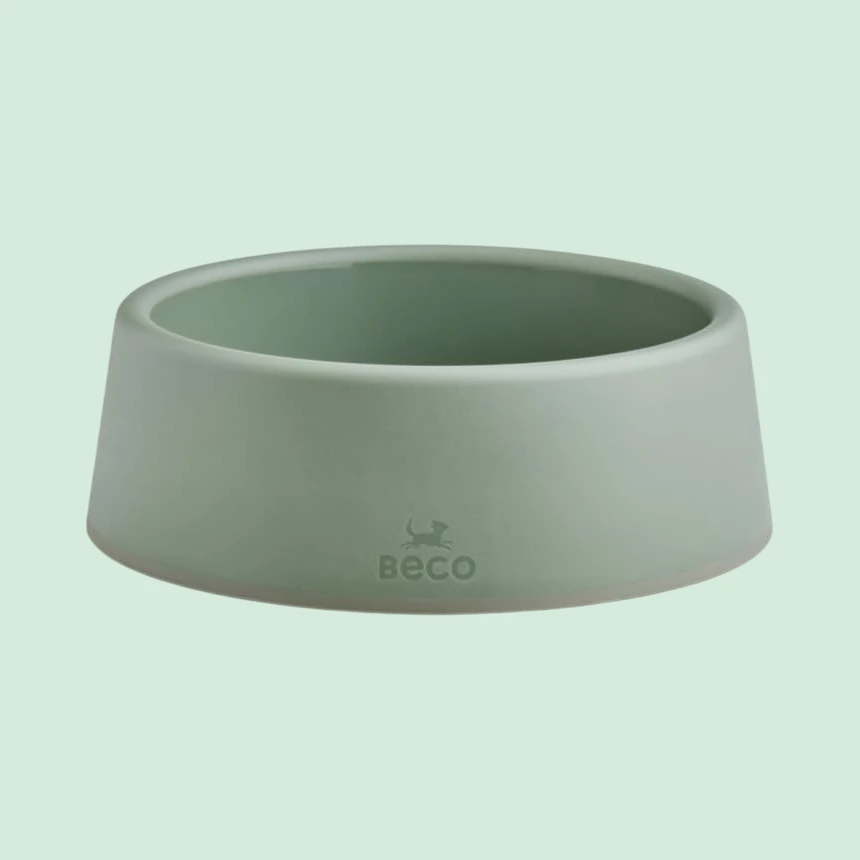
Beco
A recycled plastic dog bowl with a wide weighted base that stays where you put it.
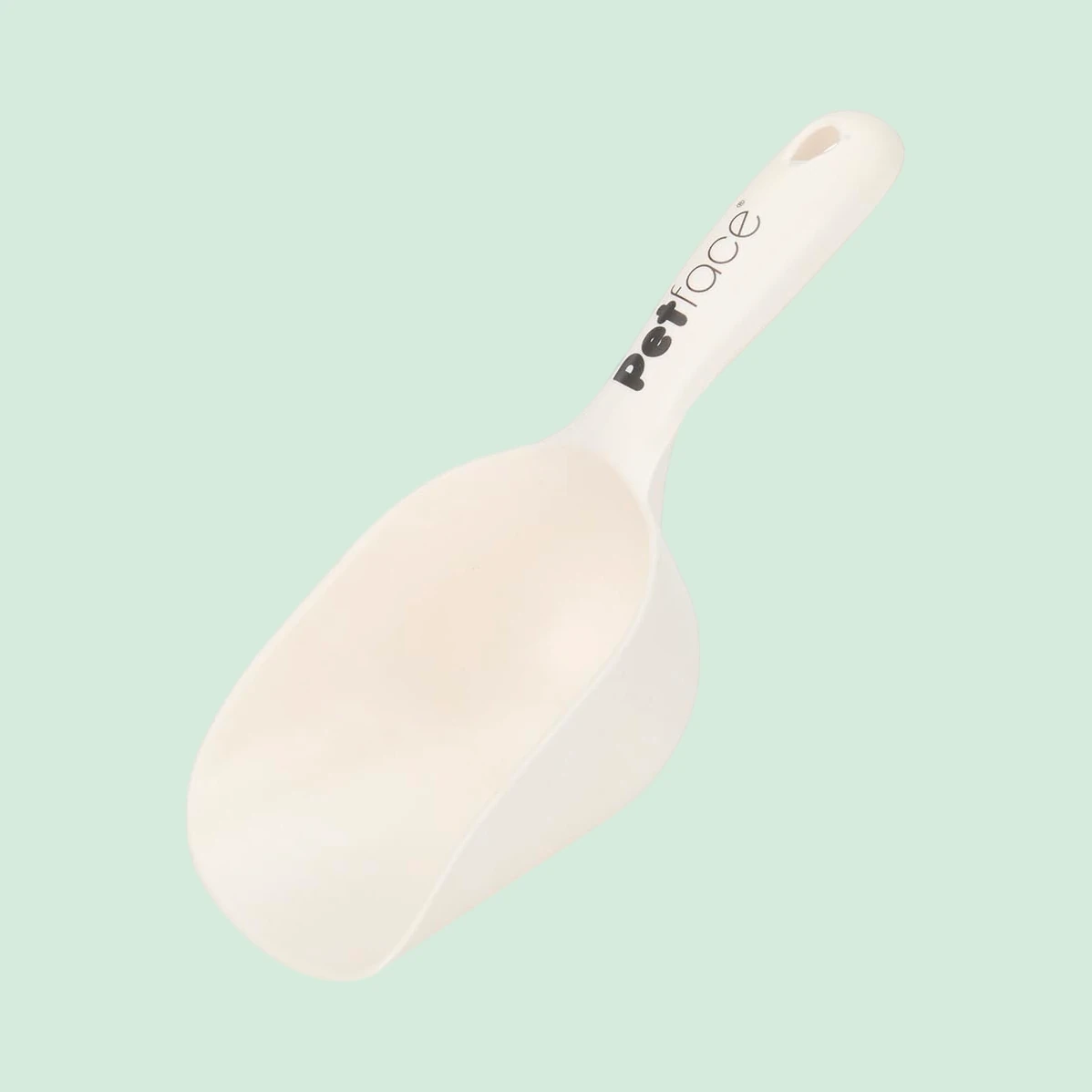
Petface
A light plastic food scoop that makes measuring kibble a daily habit.
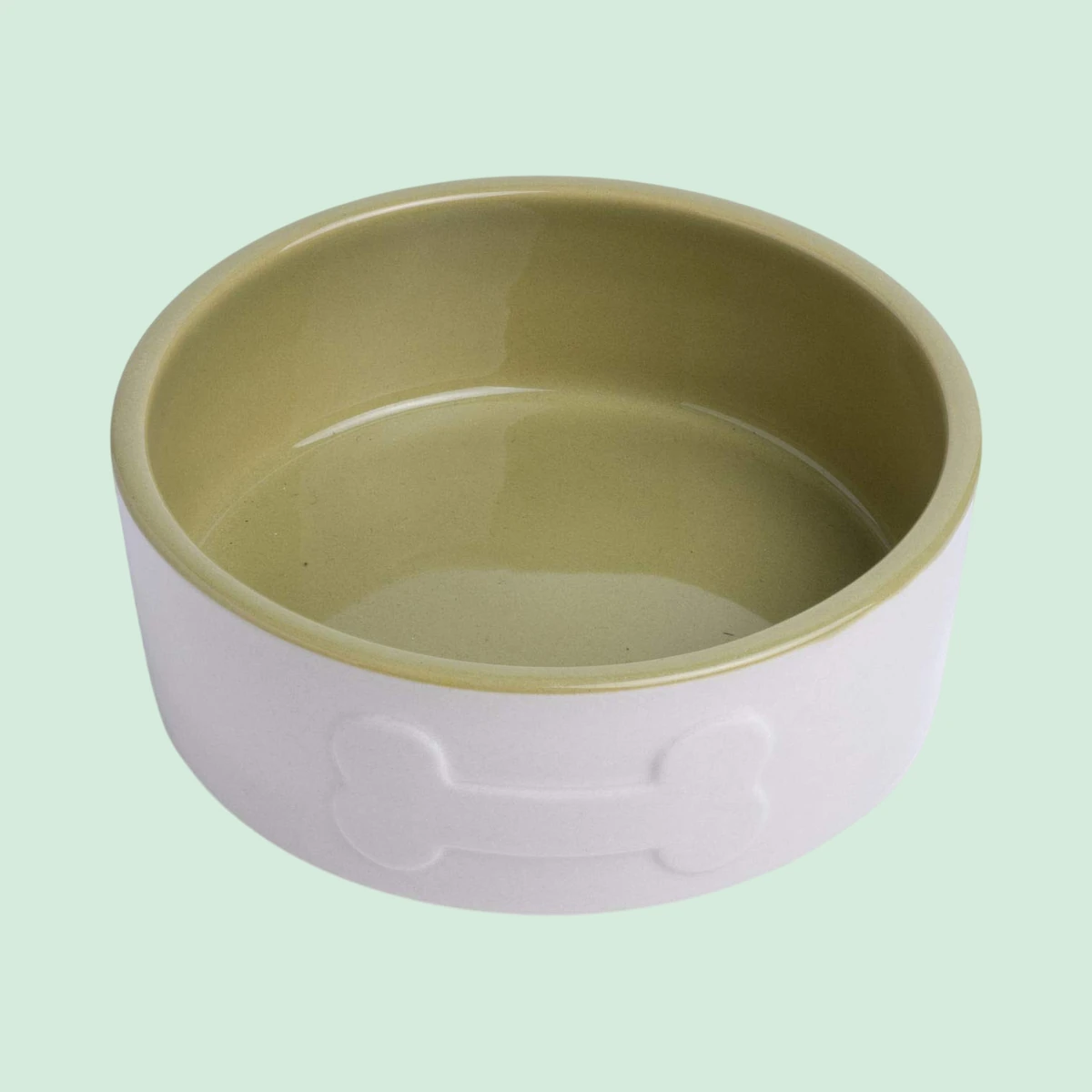
Petface
A 15cm ceramic dog bowl in cream and green, sized for toy and small breeds.
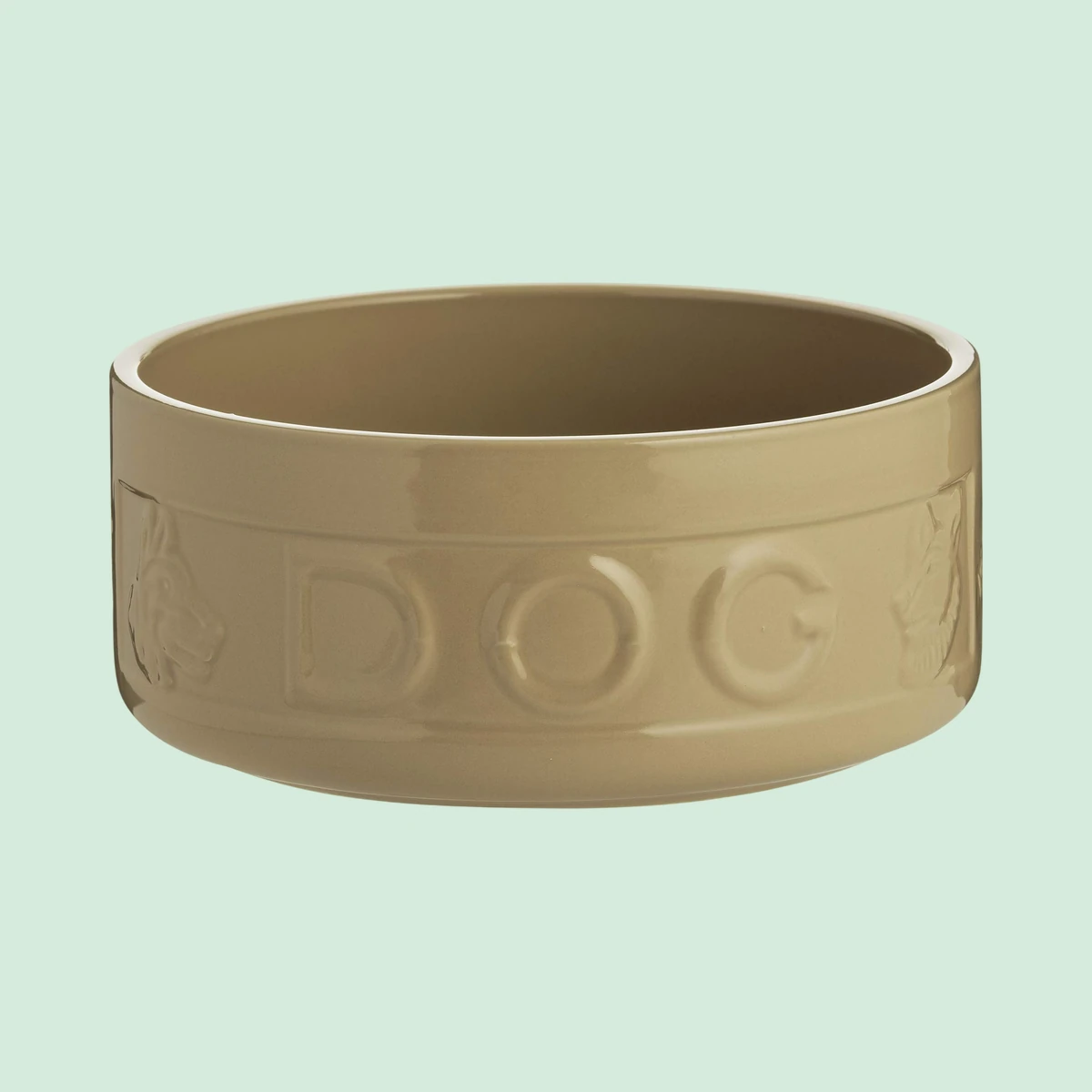
Mason Cash
The Derbyshire stoneware classic, a 20cm dog bowl holding 1.6 litres and dishwasher safe.