




50/100Good
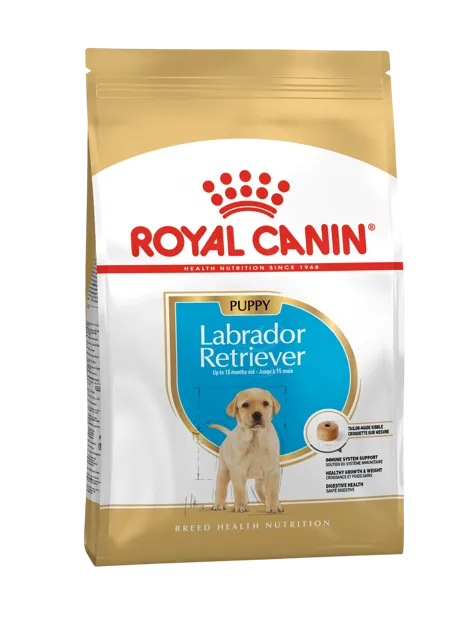
Royal Canin
A Labrador growth kibble that keeps fat deliberately in check, at 14.0% as fed against protein of 33.0%. It lands in our Average band because of what the label leaves unnamed. The calcium figure a big-pup owner looks for is printed, and it falls inside the range large breed growth works to.
Affiliate link. As an Amazon Associate, Off the Leash earns from qualifying purchases.
Written by our editorial team. Independent guidance, not veterinary advice.
Listed for Labrador puppies. There is no fixed daily scoop while a pup grows, so start from the bag's chart and adjust by what you feel over the ribs.
Dry
Puppy
Poultry
All one Average. Typical dry food: Good.
The label reading sets this band, with category-named meats and maize high up, while the analysis underneath it is carefully judged for the breed.
Vitamins A, D3 and E with iron, iodine, copper, manganese, zinc and selenium, all dosed per kilo, plus clinoptilolite and a yucca extract.
Hydrolysed crustaceans put shellfish in the recipe.
Named ingredients
A breed growth kibble on a maize and rice base, with dried poultry protein and hydrolysed animal proteins supplying the animal content and no species named. Calcium is printed and converts to 1.37% of dry matter. The closing entries are the brand's coat and joint set, none of them dosed.
Estimated using Modified Atwater factors*
33%
14%
1.7%
6.9%
9%
36.3%
15.4%
1.9%
7.6%
38.8%
Estimated breakdown of the finished product by ingredient category, from the declared ingredient list and ingoing weights. These are estimates, not measurements.
40%
47%
9.8%
2.6%
0.6%
Daily amounts shift as a pup grows, so the cost a day moves with them.
Premium end of the market for a dry food, and the price runs ahead of what the analysis shows.
Ingredients and nutrition are taken from manufacturer data. Retailer pricing is not yet live for this food.
Ranked shortlists that include foods like this one.
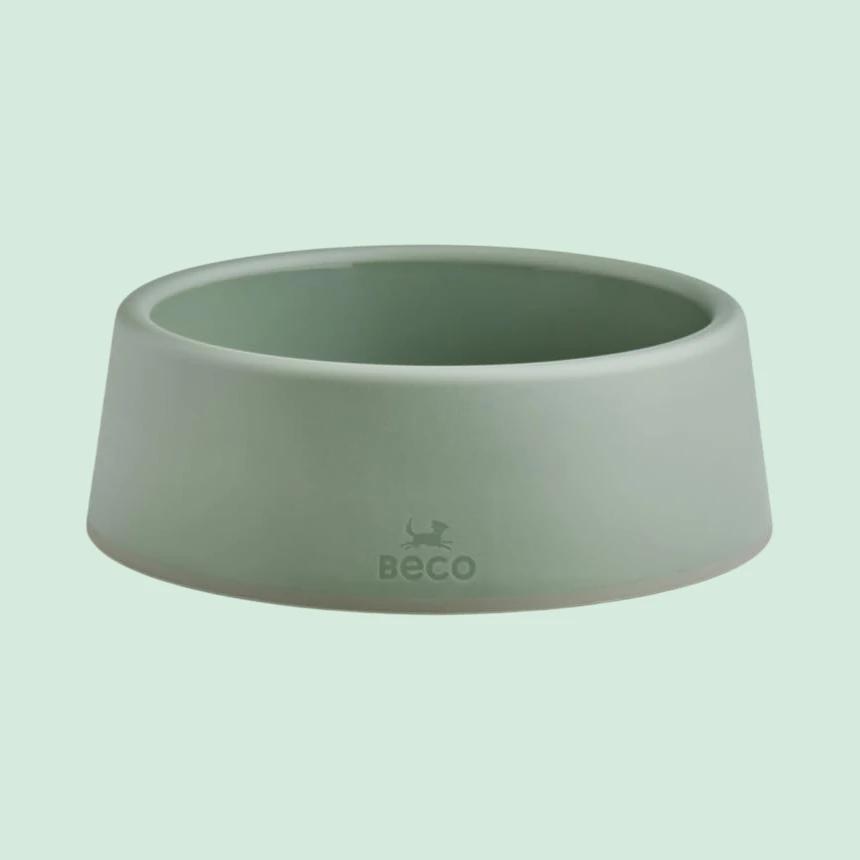
Beco
A recycled plastic dog bowl with a wide weighted base that stays where you put it.
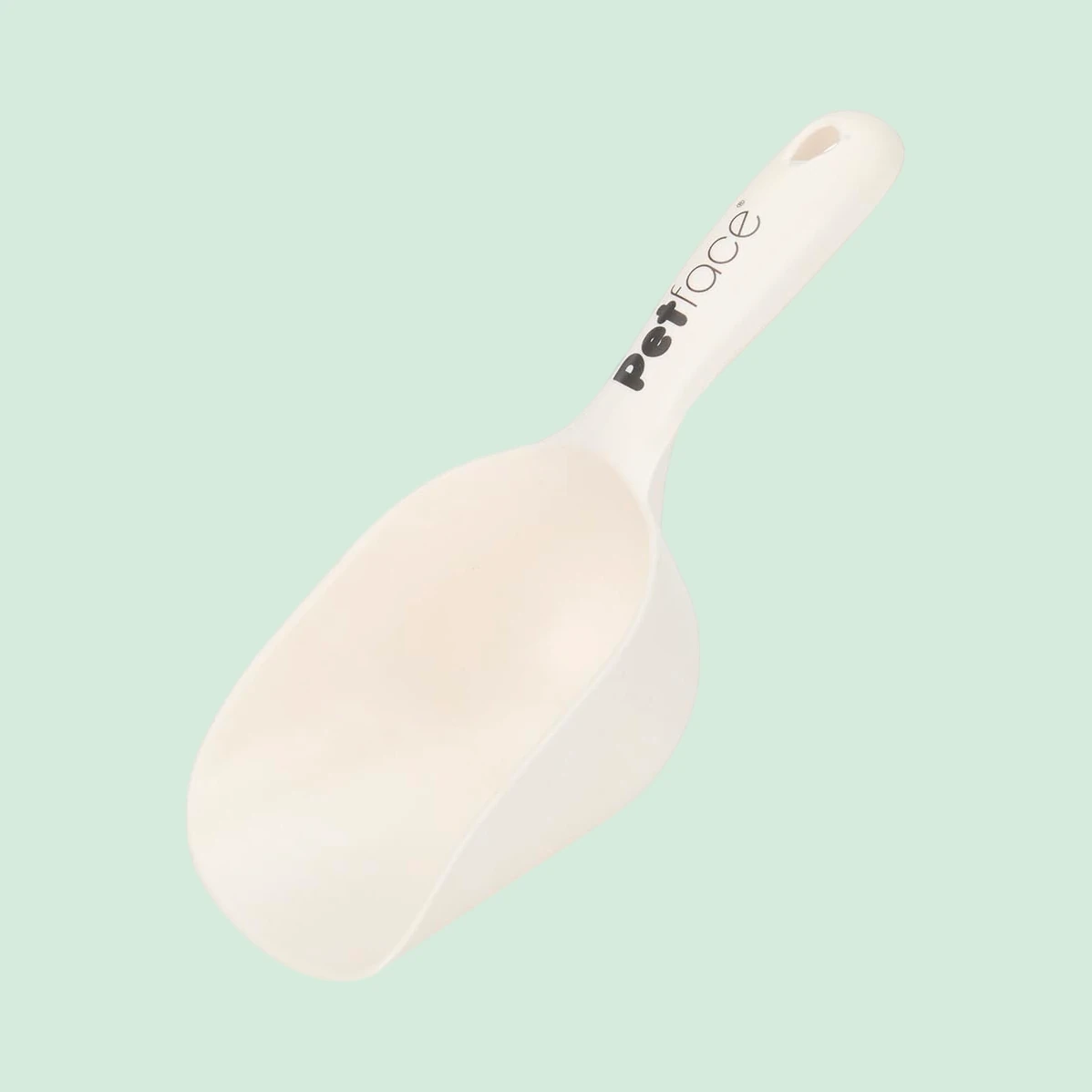
Petface
A light plastic food scoop that makes measuring kibble a daily habit.
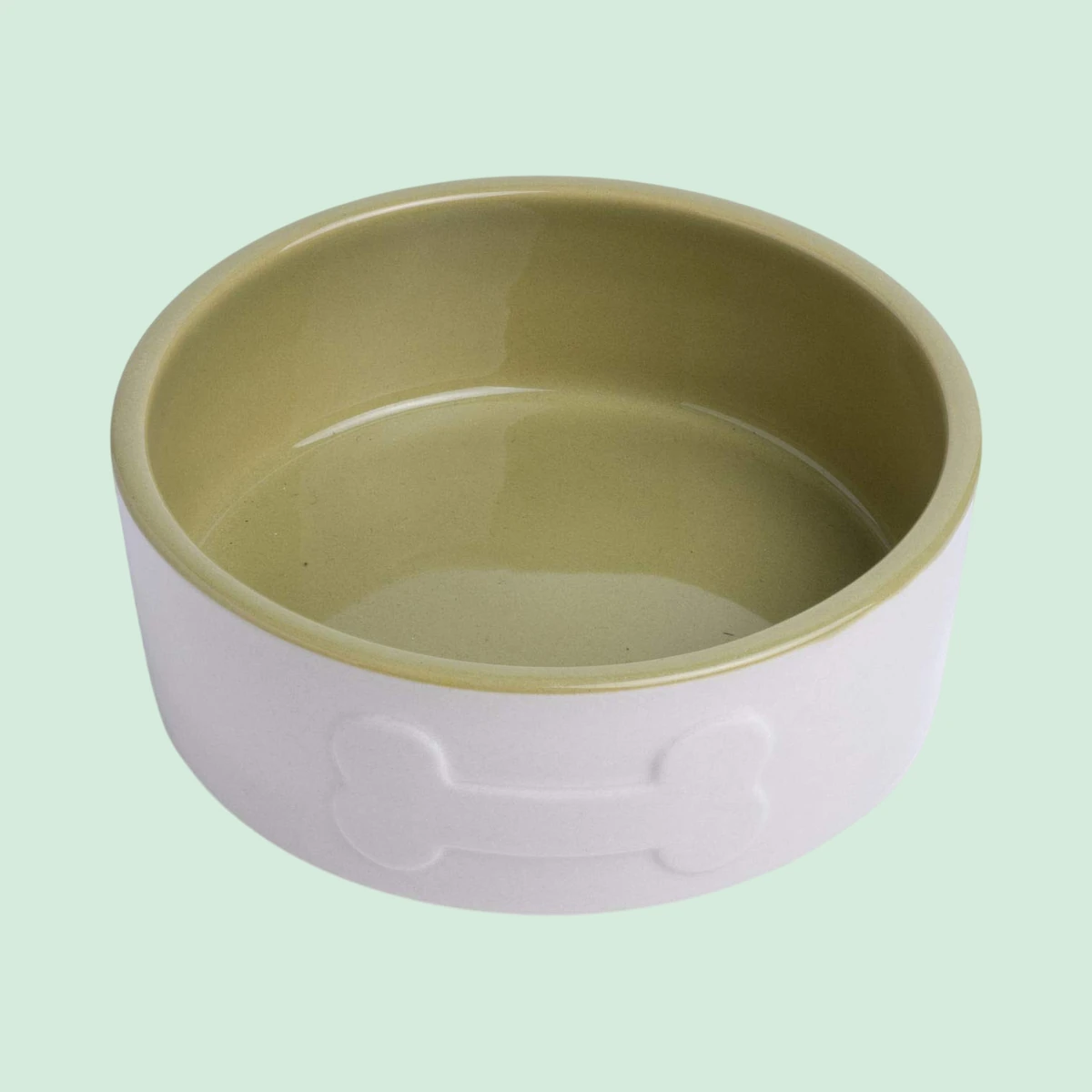
Petface
A 15cm ceramic dog bowl in cream and green, sized for toy and small breeds.
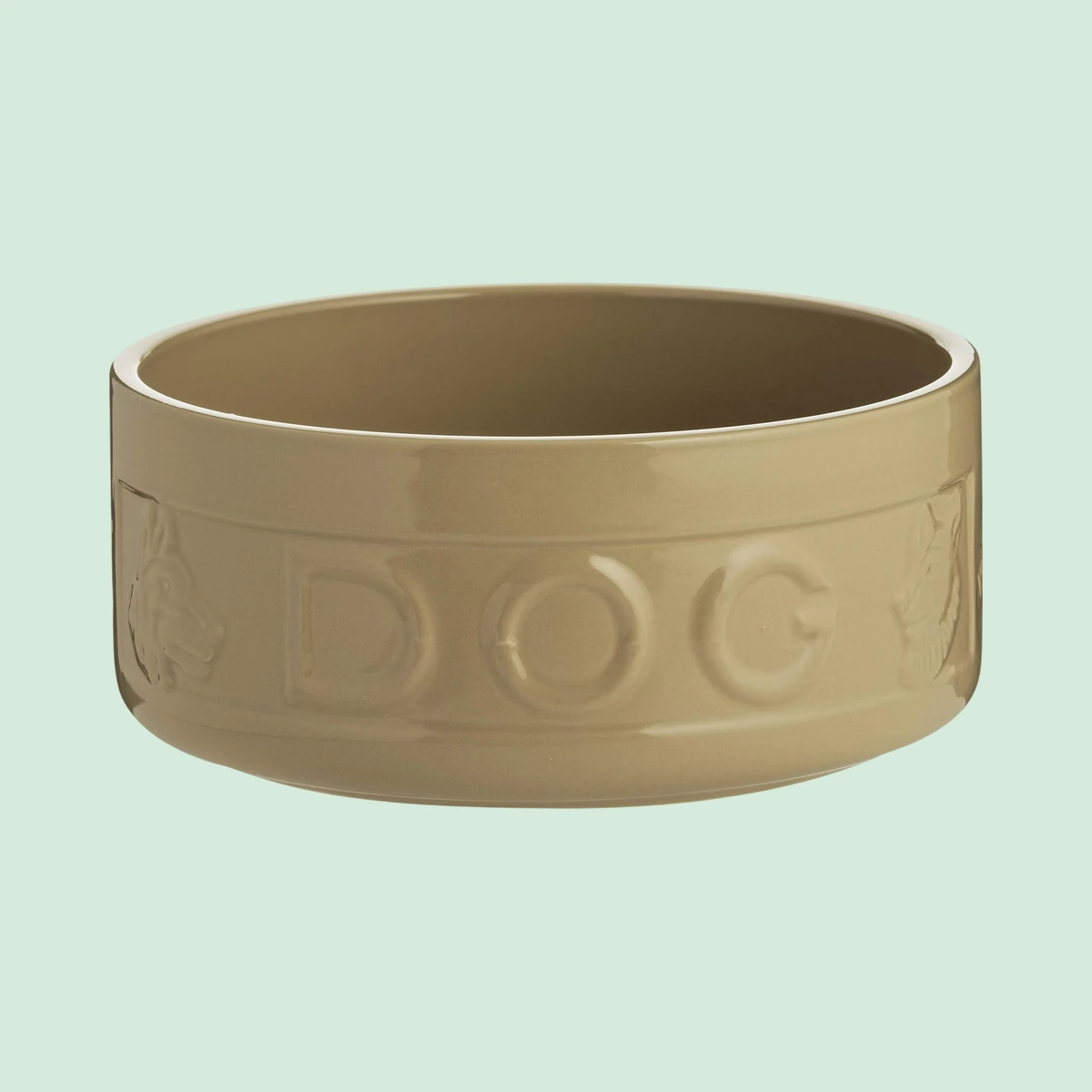
Mason Cash
The Derbyshire stoneware classic, a 20cm dog bowl holding 1.6 litres and dishwasher safe.