

50/100Good
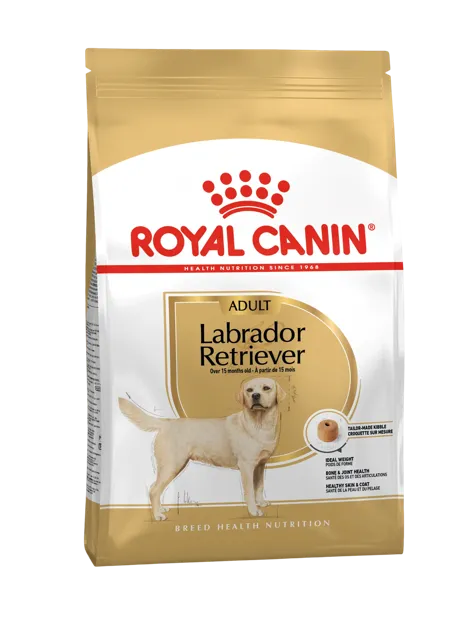
Royal Canin
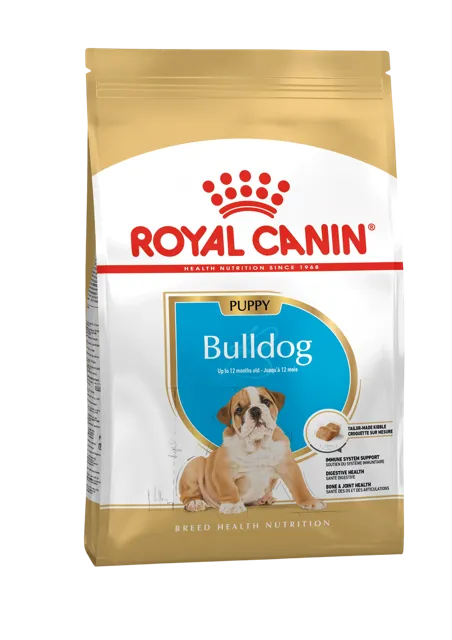
A kibble built around one breed and its appetite. Fat is held to 13.0% and crude fibre lifted to 3.8%, so a Labrador who would happily eat twice what it needs gets something to work on between meals. It sits in our Average band, driven by the cereal-led list and not by the analysis.
Affiliate link. As an Amazon Associate, Off the Leash earns from qualifying purchases.
Written by our editorial team. Independent guidance, not veterinary advice.
Listed for adult Labradors. The label's table starts at 308 grams for a 26kg dog on low activity and runs to 425 grams at 40kg, so weigh your dog first.
Dry
Adult
Beef
All one Average. Typical dry food: Good.
The analysis is perfectly respectable, and the gap opens on a list where maize comes first and several working entries name no animal.
Vitamins A and D3 with iron, iodine, copper, manganese, zinc and selenium, each dosed per kilo, plus tea extract for polyphenols; the preservatives and antioxidants go unnamed.
Named ingredients
A cereal-led breed kibble: maize and rice open the list, beef and pork are named ahead of an unnamed poultry protein, and a heavy fibre package and a joint pairing follow. Every added nutrient carries a printed dose.
Estimated using Modified Atwater factors*
30%
13%
3.8%
6.6%
9%
33%
14.3%
4.2%
7.3%
41.2%
Estimated breakdown of the finished product by ingredient category, from the declared ingredient list and ingoing weights. These are estimates, not measurements.
31.8%
63.6%
1.6%
2.4%
0.5%
This is a breed food for a much larger dog than 15kg, so the real daily amount runs well above that guide.
Middle of the market for a dry food, and a little dear on our scoring for what the analysis shows.
Ingredients and nutrition are taken from manufacturer data. Retailer pricing is not yet live for this food.
Ranked shortlists that include foods like this one.
Beco
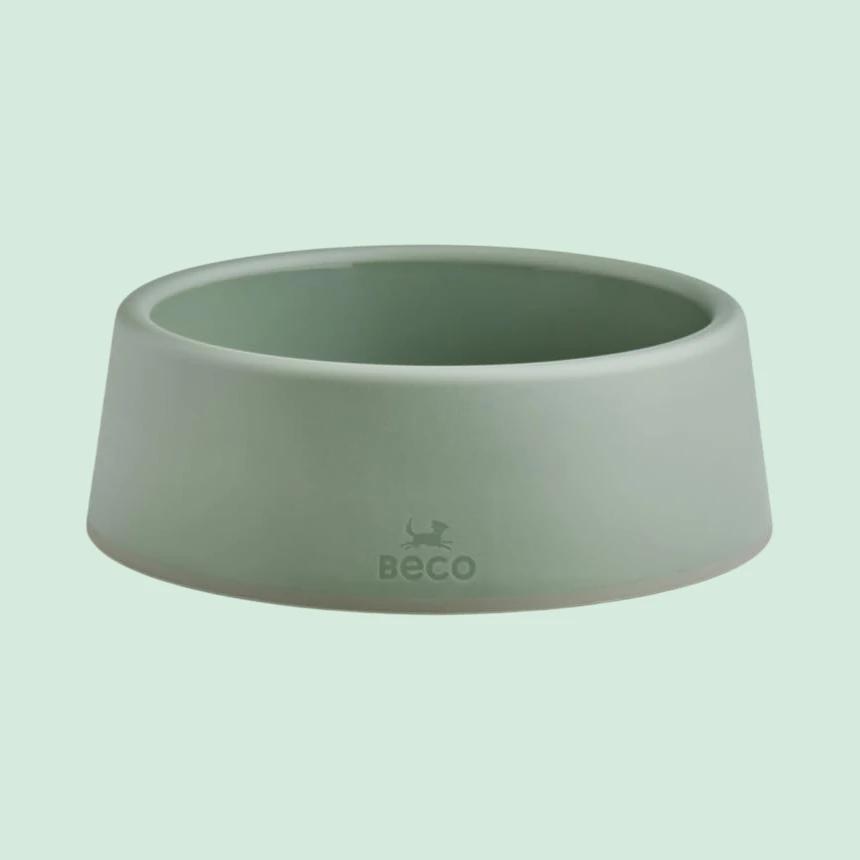
A recycled plastic dog bowl with a wide weighted base that stays where you put it.
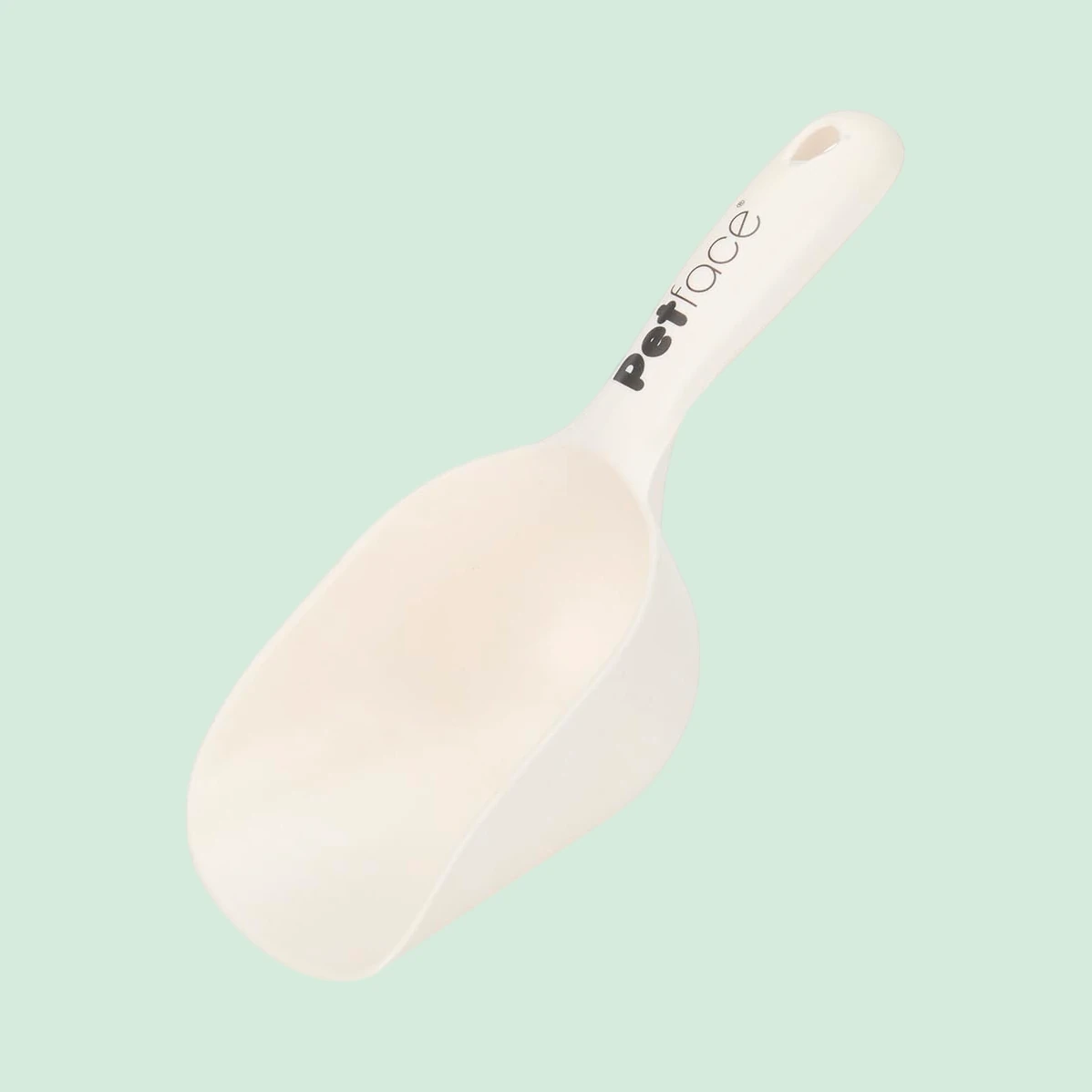
Petface
A light plastic food scoop that makes measuring kibble a daily habit.
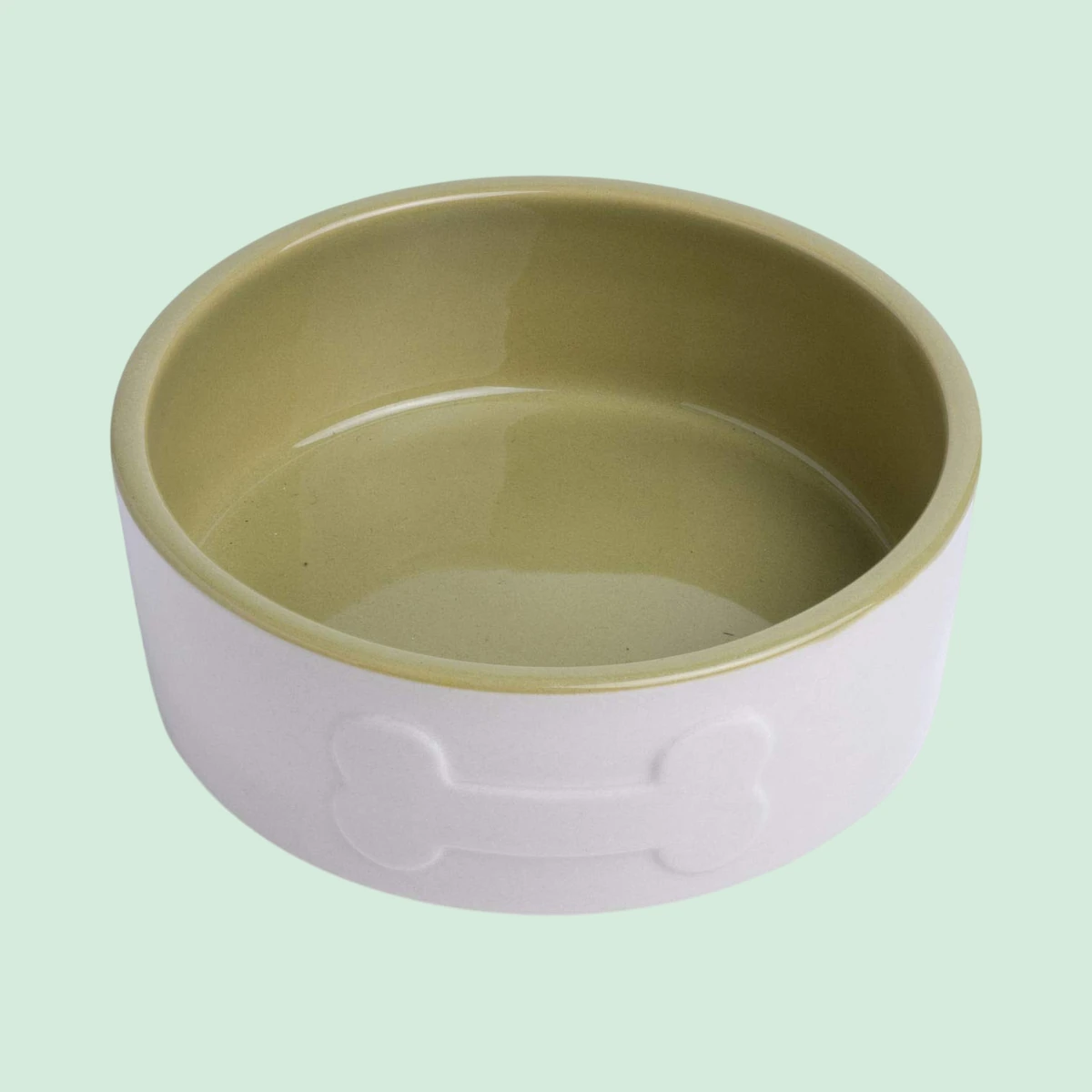
Petface
A 15cm ceramic dog bowl in cream and green, sized for toy and small breeds.
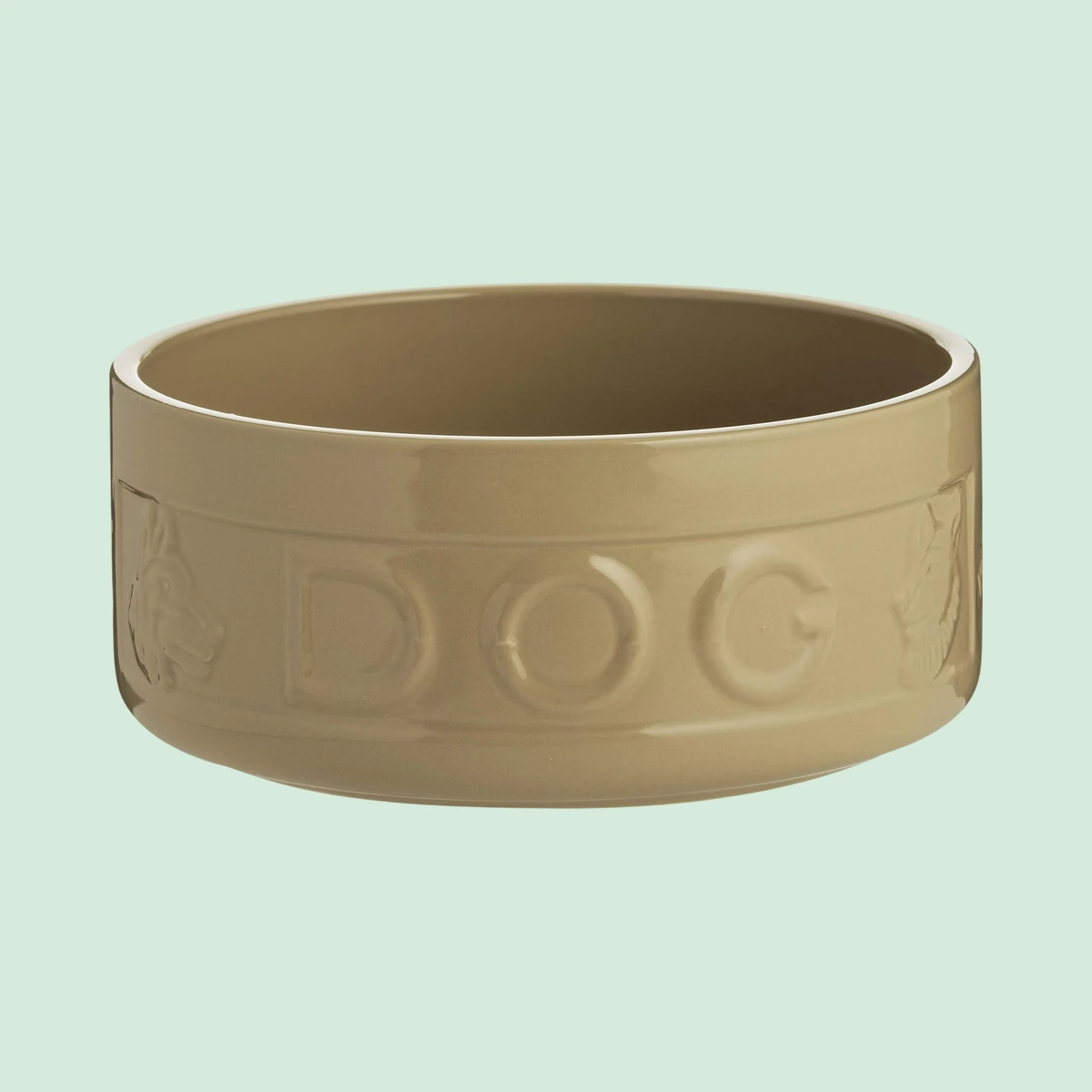
Mason Cash
The Derbyshire stoneware classic, a 20cm dog bowl holding 1.6 litres and dishwasher safe.