




50/100Good
Royal Canin
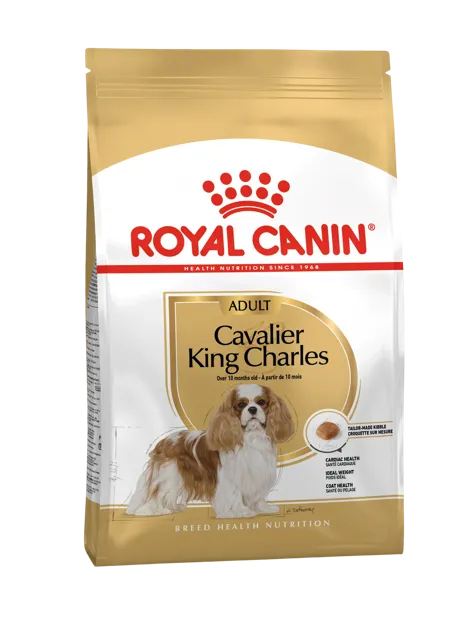
An Average kibble shaped for a cavalier's small mouth and modest appetite. A cavalier fed on it will be properly nourished, but the label keeps more to itself than a careful reader would like, with plant protein above the poultry and no species named anywhere. L-carnitine is printed at 400 mg per kilo.
Affiliate link. As an Amazon Associate, Off the Leash earns from qualifying purchases.
Written by our editorial team. Independent guidance, not veterinary advice.
Listed for small adult and senior dogs. Portion from the pack's table, which asks 85 grams a day at 5kg rising to 132 grams at 9kg, and not from a 15kg estimate.
Dry
Adult, Senior
Small
Poultry
All one Average. Typical dry food: Good.
The analysis is respectable for a small-breed kibble; the placing comes down to where the protein comes from and how little of it is pinned to an animal.
Vitamins A and D3, iron, iodine, copper, manganese, zinc and selenium all dosed per kilo, with L-carnitine at 400 mg, tea extract at 150 mg and clinoptilolite clay at 10 g.
The energy figure is our estimate, so read 358 kcal per 100g as a close approximation.
Named ingredients
One small-breed kibble with rice first and a vegetable protein isolate ahead of the first meat. Every animal entry is named by family, never by species, and every added mineral carries a printed dose.
Estimated using Modified Atwater factors*
27%
14%
2.8%
5.8%
9%
29.7%
15.4%
3.1%
6.4%
45.4%
Estimated breakdown of the finished product by ingredient category, from the declared ingredient list and ingoing weights. These are estimates, not measurements.
22%
55.2%
17.4%
4.4%
0.9%
A cavalier eats far less than the 15kg adult in the estimate, so its daily cost sits well below that figure.
Premium end of the dry market, and you pay more than the analysis shows.
Ingredients and nutrition are taken from manufacturer data. Retailer pricing is not yet live for this food.
Ranked shortlists that include foods like this one.
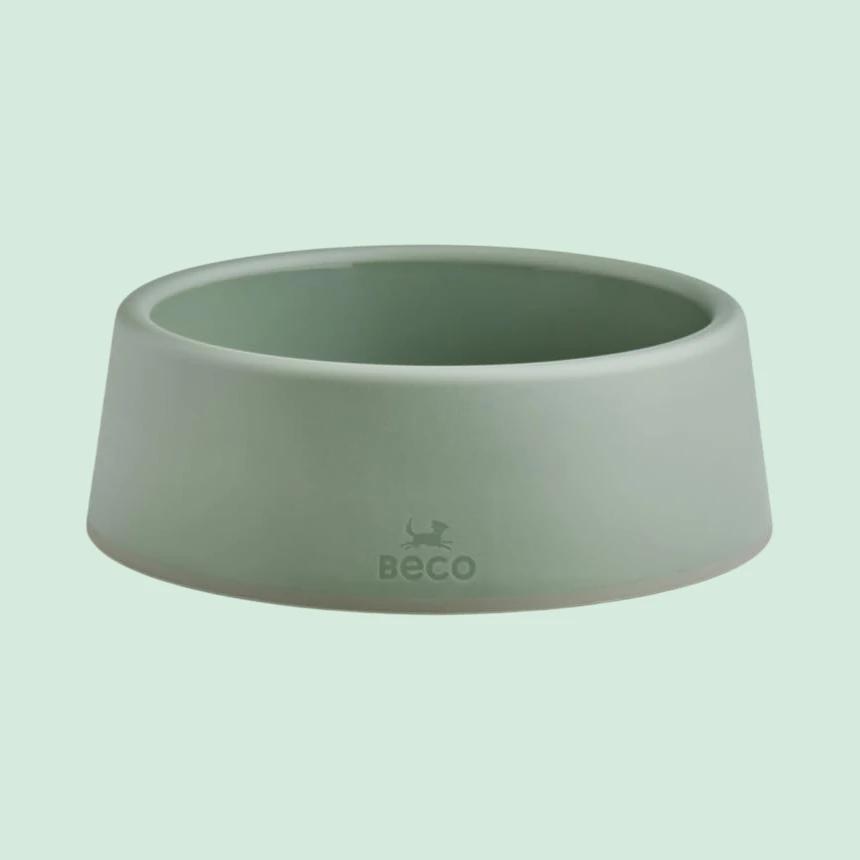
Beco
A recycled plastic dog bowl with a wide weighted base that stays where you put it.
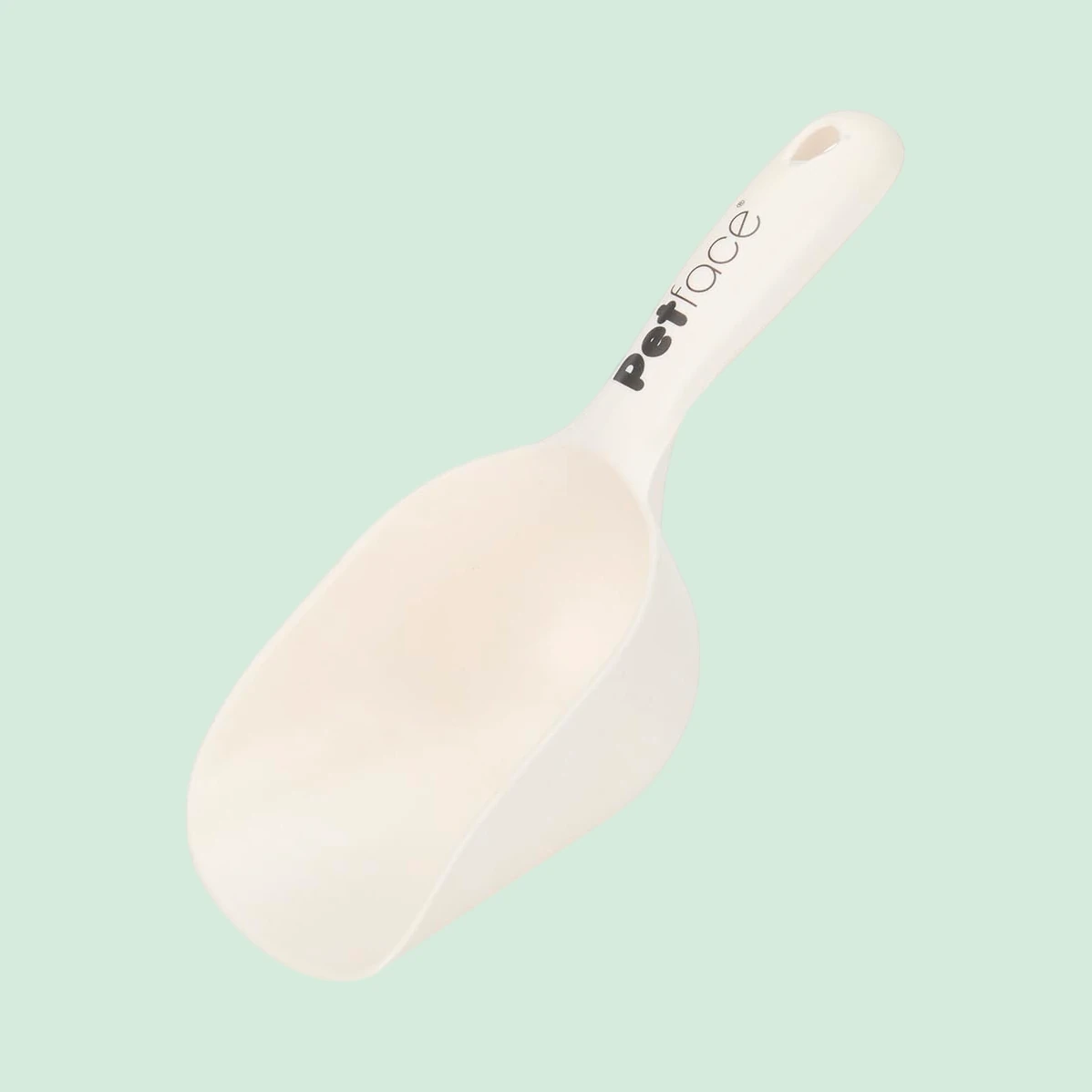
Petface
A light plastic food scoop that makes measuring kibble a daily habit.
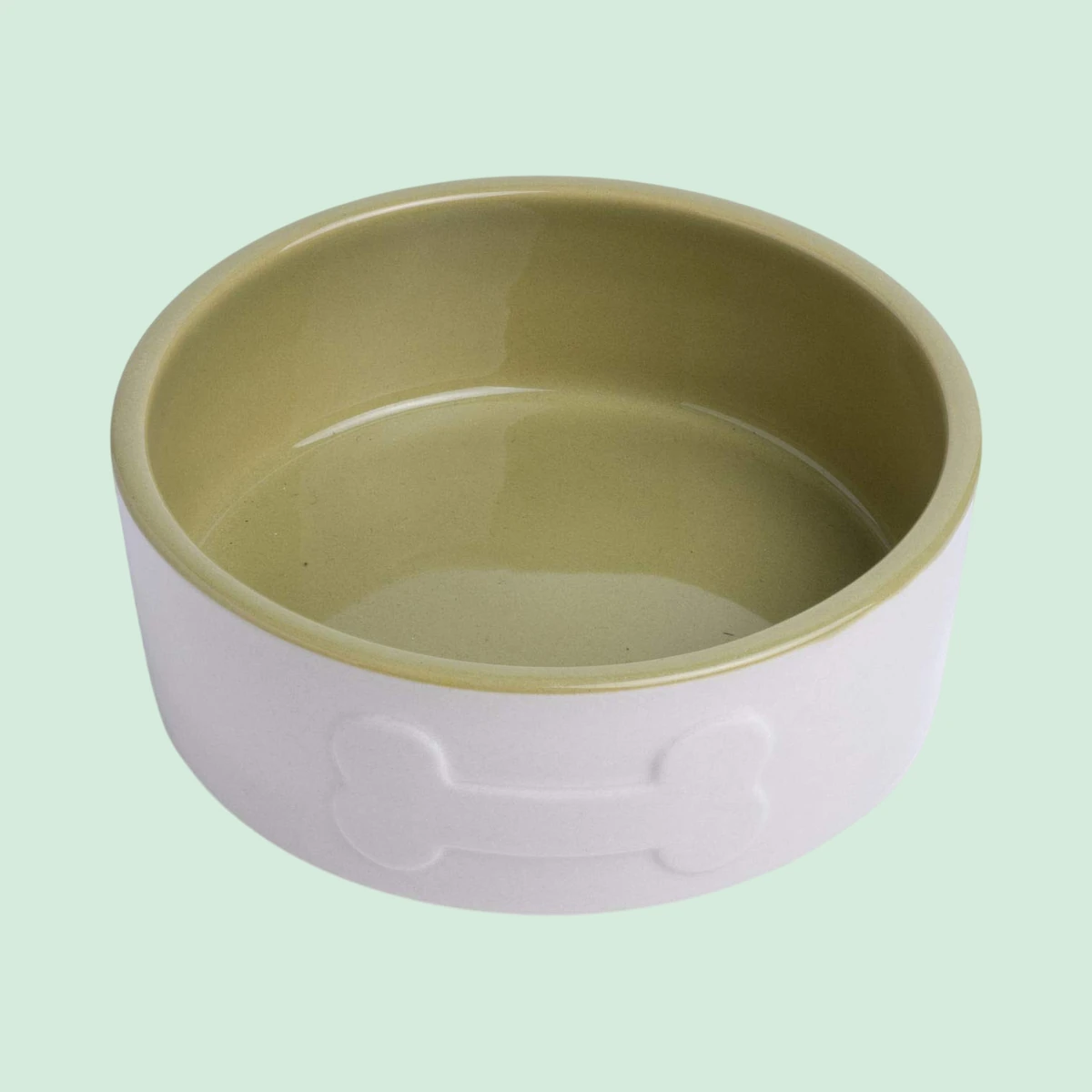
Petface
A 15cm ceramic dog bowl in cream and green, sized for toy and small breeds.
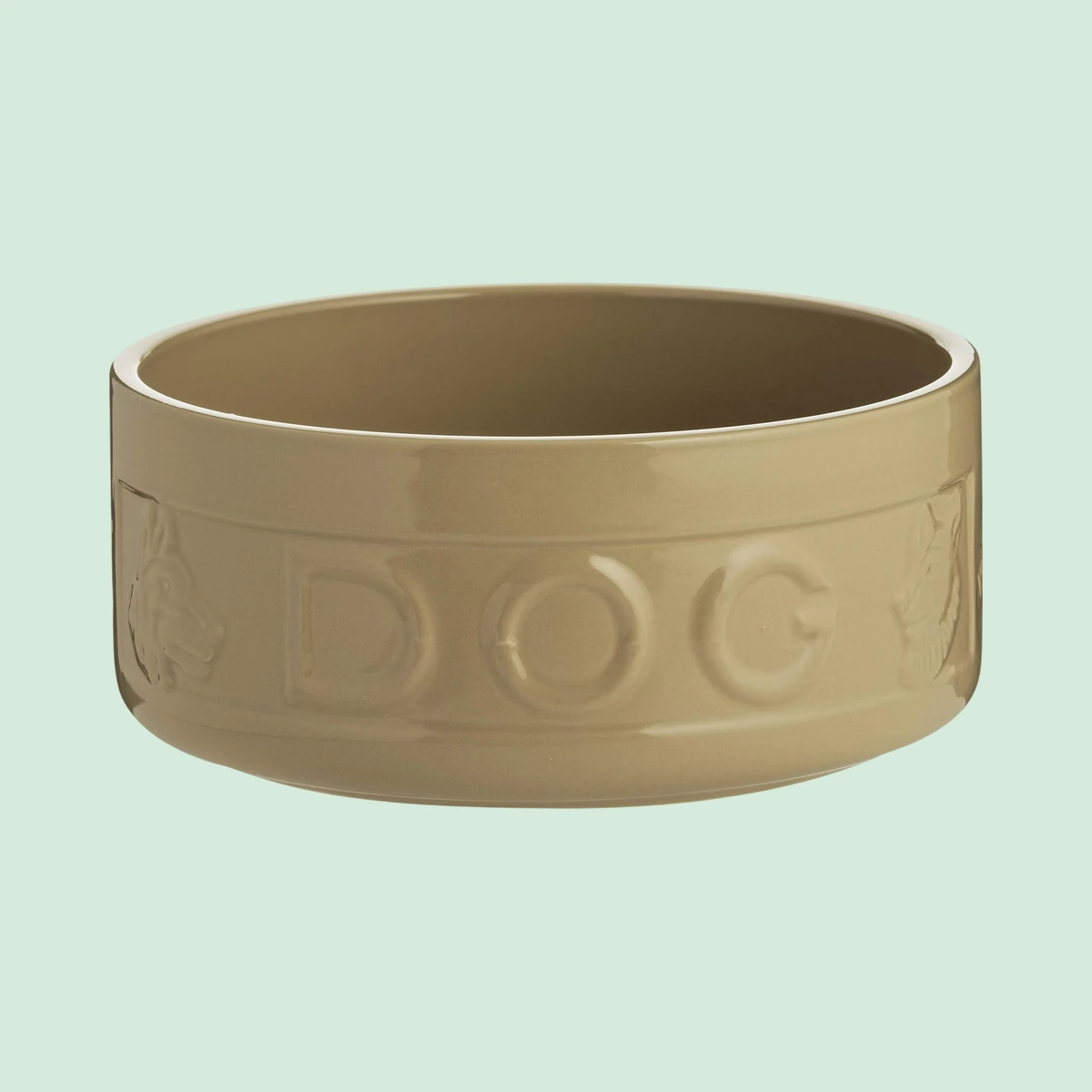
Mason Cash
The Derbyshire stoneware classic, a 20cm dog bowl holding 1.6 litres and dishwasher safe.