



54/100Good
4 varieties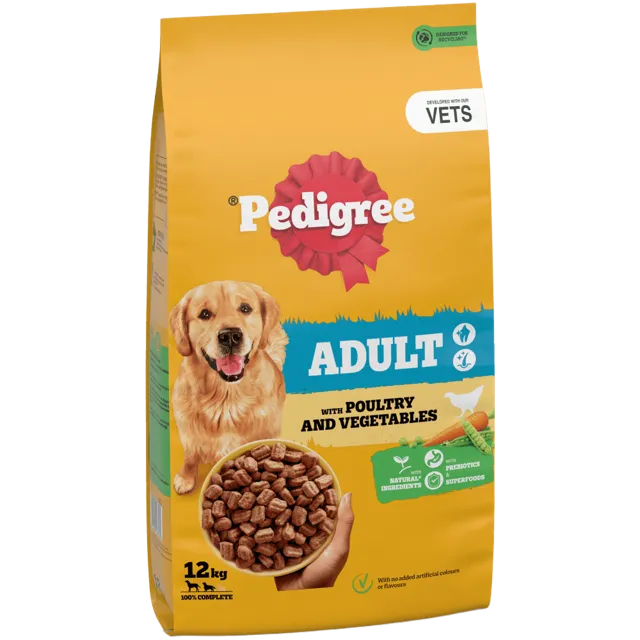
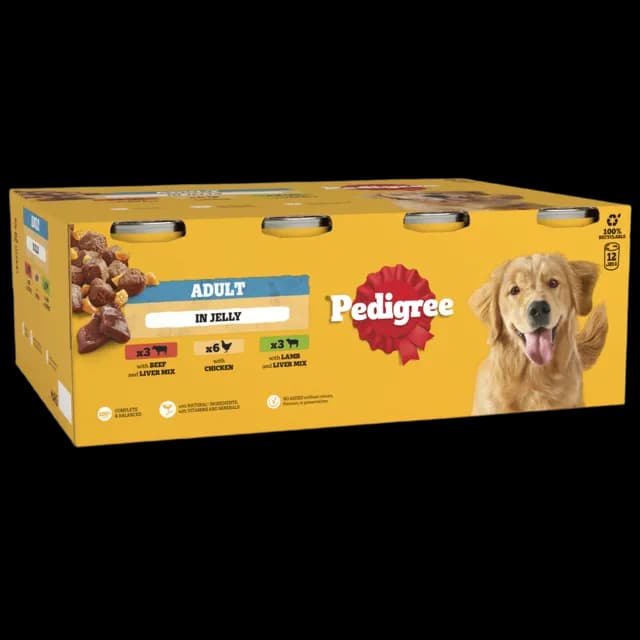
Pedigree
Pedigree Adult is the dry food most people can picture without looking it up, and the recipe holds no surprises. It is written for medium and large adults and declares 353 kcal per 100g. The Chicken sits in our Average band and the Beef in Poor, and nearly every line on the label names a legal category in place of an ingredient.
Affiliate link. As an Amazon Associate, Off the Leash earns from qualifying purchases.
Written by our editorial team. Independent guidance, not veterinary advice.
Listed for medium and large adult dogs. The label's table asks 150 to 165 grams a day for a 10kg dog, so portion from it and watch the waistline.
Dry
Adult
Medium, Large
Poultry
Two recipes across Average and Poor. Typical dry food: Good.
Both sit below the typical dry food, and the reason is how little of the recipe is named more than anything the analysis shows.
B vitamins, D3, E and biotin dosed per kilo, with zinc at 51 mg; the 1.4kg bag declares slightly more B vitamins than the larger two.
Sold as chicken, but the named 4% on the list reads poultry, so the bird is left open.
Named ingredients
The easier of the two to buy in a small bag, with a looser meat declaration than the front of the pack suggests.
Both bags open with cereals, a word that covers wheat, maize, rice, barley and anything between, so the grain can change from one batch to the next. Meat and animal derivatives come second, with 4% named as beef on one and as poultry on the other. Oils and fats are unnamed, dried beet pulp sits at 3% and brewer's yeast at 0.4%.
The analysis is the same on both: protein at 21.7% of dry matter, fat at 9.8% and estimated carbohydrate at 58.2%, worked from an assumed 8% moisture because neither bag declares it.
20%
9%
2.5%
7%
21.7%
9.8%
2.7%
7.6%
58.2%
Estimated breakdown of the finished product by ingredient category, from the declared ingredient list and ingoing weights. These are estimates, not measurements.
27.6%
54.1%
3%
9%
6.4%
Budget end of the market for a dry food, though the analysis gives less than even that price would suggest.
Ingredients and nutrition are taken from manufacturer data. Retailer pricing is not yet live for this food.
Ranked shortlists that include foods like this one.
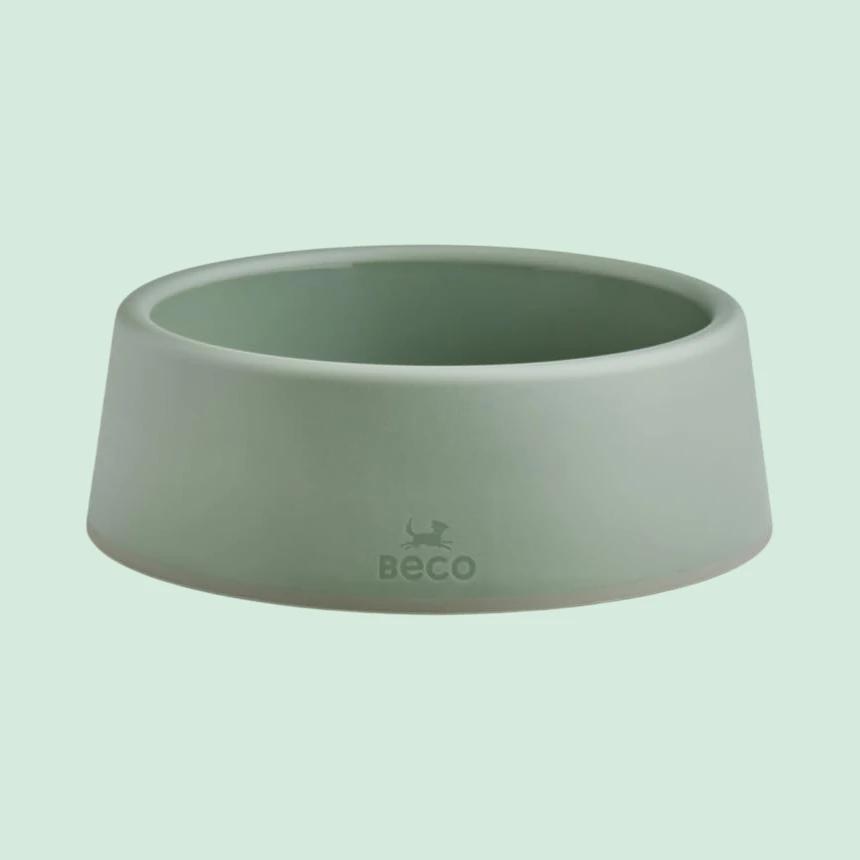
Beco
A recycled plastic dog bowl with a wide weighted base that stays where you put it.
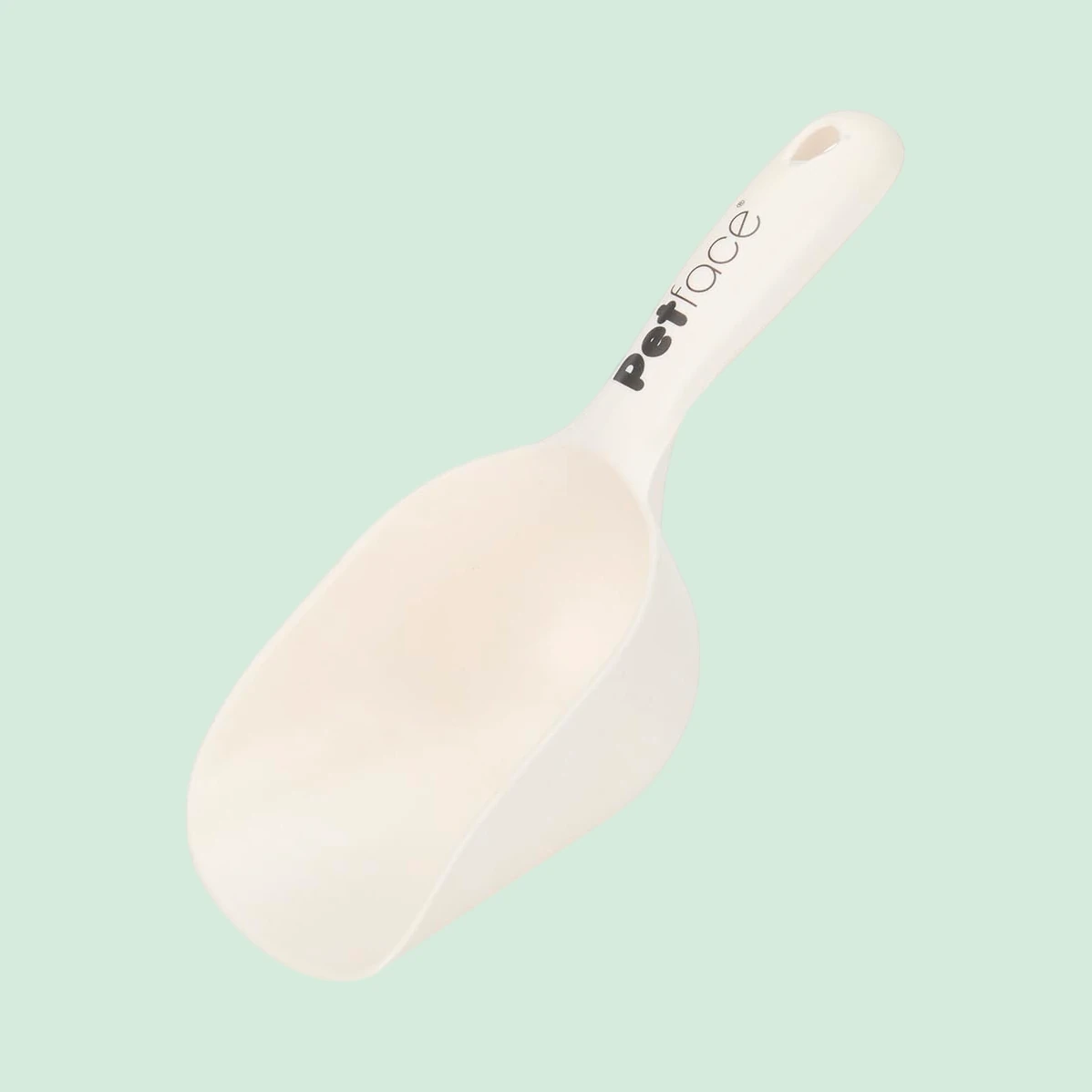
Petface
A light plastic food scoop that makes measuring kibble a daily habit.
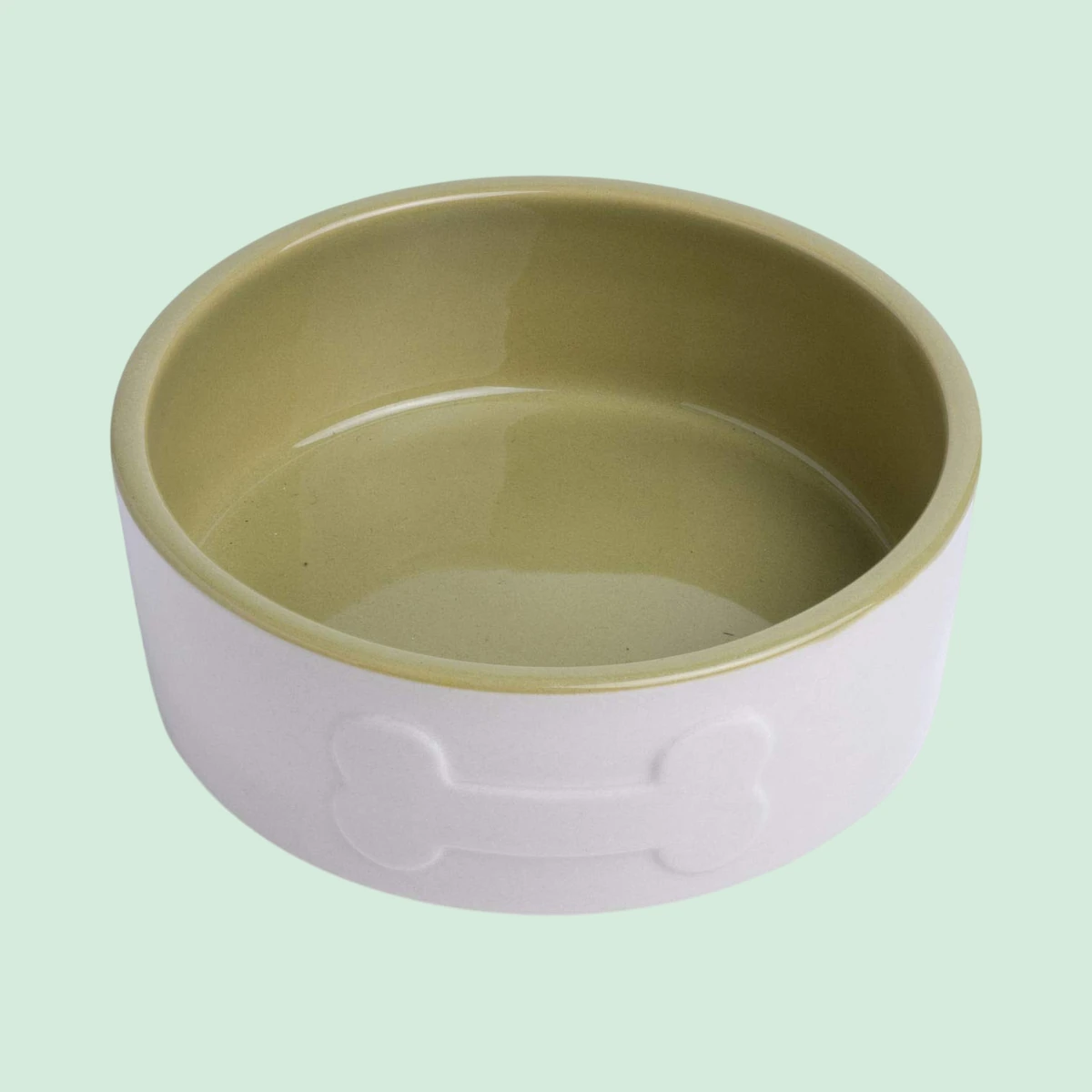
Petface
A 15cm ceramic dog bowl in cream and green, sized for toy and small breeds.
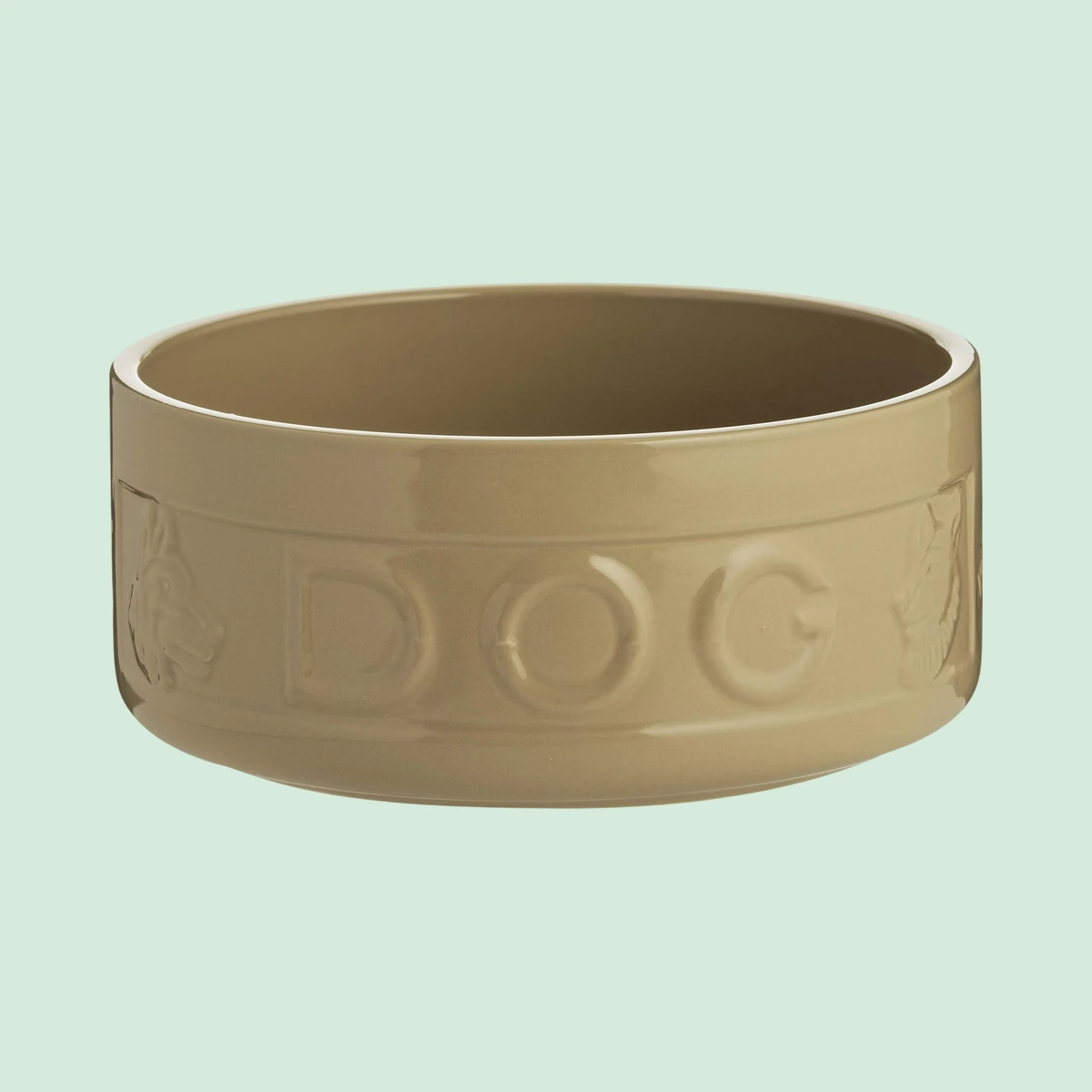
Mason Cash
The Derbyshire stoneware classic, a 20cm dog bowl holding 1.6 litres and dishwasher safe.