



74/100Excellent
3 varietiesOrlando
Orlando Pouches in Gravy: With Chicken & Vegetables review
41.7/100Average
WetAdultSenior
Single-serving gravy pouches in four flavours, all in our Average band on one shared analysis. The 40% animal share is printed, which is useful, but only 4% per meat is named. Nearly everything else sits under category terms that can change batch to batch with the label untouched.
Where to buy: coming soon
Live retailer links are coming soon. Once we have them from UK retailers, where to buy and the best price will appear here.
Our view
Likely to suit
- Small and toy dogs. A 100g pouch is close to one meal, with nothing left to store
- Owners who want the total animal share printed: 40% on every pouch
- Dogs that eat better with gravy
- Rotation feeding across four meats on one construction
- Omega 3 from fish oil, named and quantified on every label
Worth watching
- Only 4% tied to a named meat; the rest is meat and animal derivatives
- Fish oil in all four, one to note in a fish-free household
- Various sugars with no source or level
Written by our editorial team. Independent guidance, not veterinary advice.
How this scores
How we score41.7/100Average
Protein and processingAverage
Nutritional balanceOutstanding
TransparencyGood
ValueAverage
The details
Dog fit
Listed for adults and seniors of every size. The pouches are small, so they suit a little dog or a topper for a bigger one; count how many a day your dog would need before ordering.
Food type
Wet
Life stage
Adult, Senior
Breed size
Toy, Small, Medium, Large, Giant
Main protein
Chicken
The score, in context
- With Beef 41.7
- With Chicken 41.7
- With Turkey 41.7
- With Beef 41.6
All four Average. Typical wet food: Excellent.
The analysis is reasonable and the carbohydrate sits close to the wet norm; the distance from the category middle comes almost entirely from what the labels decline to name.
What's in it
- Meat and animal derivatives (including chicken)40%Chicken at 4%, the only animal printed. Others can sit in the remainder.
- Derivatives of vegetable origin (including chicory)chicory 0.07%Almost anything processed from a plant. The chicory is a prebiotic.
- Vegetables (including dried carrots and dried peas)1%
- Minerals
- Oils and fats (including fish oil)fish oil 0.14%Fish oil named for omega 3; the rest of the fat is unidentified.
- Various sugarsNo source, no level.
A short panel: vitamin D3, vitamin E, zinc and iodine, each with a figure, and no copper or manganese.
Not a chicken-exclusive recipe: the derivatives entry can carry other animals.
Named ingredients
40% Meat and Animal Derivatives (Including 4% Chicken), Derivatives of Vegetable Origin (Including 0.07% Chicory), Vegetables (Including 1% Dried Carrots and Dried Peas), Minerals, Oils and Fats (Including 0.14% Fish Oil), Various Sugars.
Against the range
- Named meat
- Chicken, 4%
- Beef, beef and lamb, or turkey on the others.
- Vegetables
- Dried carrots and peas, 1%
- No vegetables entry on the beef and lamb.
The poultry pouch in a range that is otherwise mostly red meat.
All four share one construction and one analysis. Meat and animal derivatives is declared at 40%, with one or two meats named at 4% inside it. Then come derivatives of vegetable origin with chicory at 0.07%, minerals, oils and fats with fish oil at 0.14%, and various sugars.
Protein converts to 41.7% of dry matter and fat to 27.8%, with carbohydrate at an estimated 16.6%. What changes from pouch to pouch is the named meat and whether a small vegetables entry appears.
Nutritional analysis
Declared analysis
Energy
79.2 kcal/100g
Estimated using Modified Atwater factors*
Protein
7.5%
Fat
5%
Fibre
0.5%
Ash
2%
Moisture
82%
Dry weight
Protein
41.7%
Fat
27.8%
Fibre
2.8%
Ash
11.1%
Carbs
16.6%
As-fed composition
Estimated breakdown of the finished product by ingredient category, from the declared ingredient list and ingoing weights. These are estimates, not measurements.
Meat
40%
Added water
36%
Carbs
15.3%
Veg
4.9%
Oils
1.5%
Other
2.4%
Pricing & size
- Price per kilo
- £2.20 (RRP)
- Pack
- 100g pouches
- A 15kg dog eats (our estimate)
- 400 to 490 g a day, 445 in the middle
- Cost per day, 15kg dog
- £0.98
Each pouch is 100g, so a medium or large dog gets through a stack of them a day.
Budget end of the market for a wet food, though the price runs ahead of what the analysis shows.
Ingredients and nutrition are taken from manufacturer data. Retailer pricing is not yet live for this food.
Related dog food guides
Ranked shortlists that include foods like this one.
Related foods
All reviews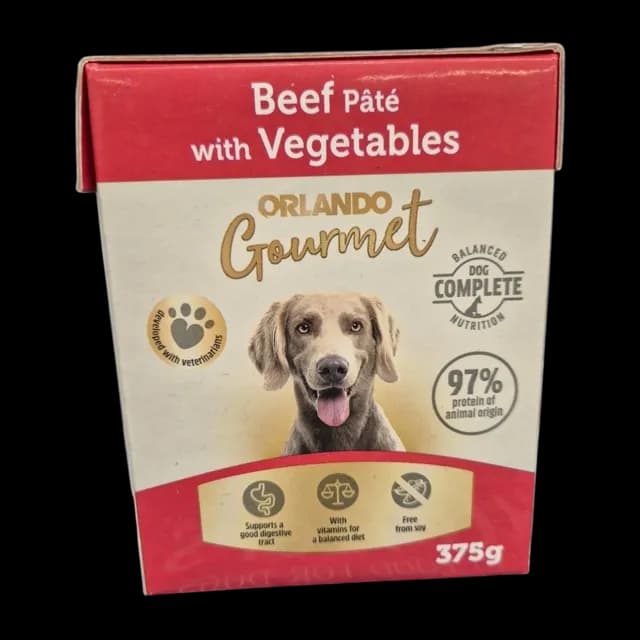
61/100Good
2 varieties48/100Average
2 varieties48/100Average
4 varietiesFeatured feeding accessories
All feeding accessories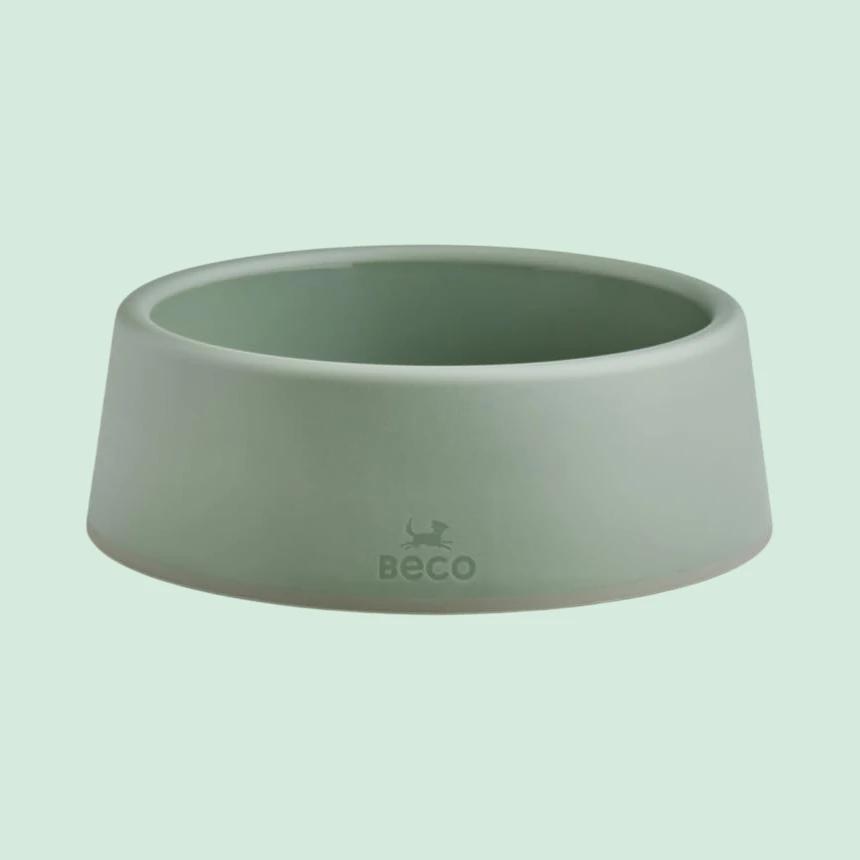
Beco
Steady Bowl
A recycled plastic dog bowl with a wide weighted base that stays where you put it.
£
View on Amazon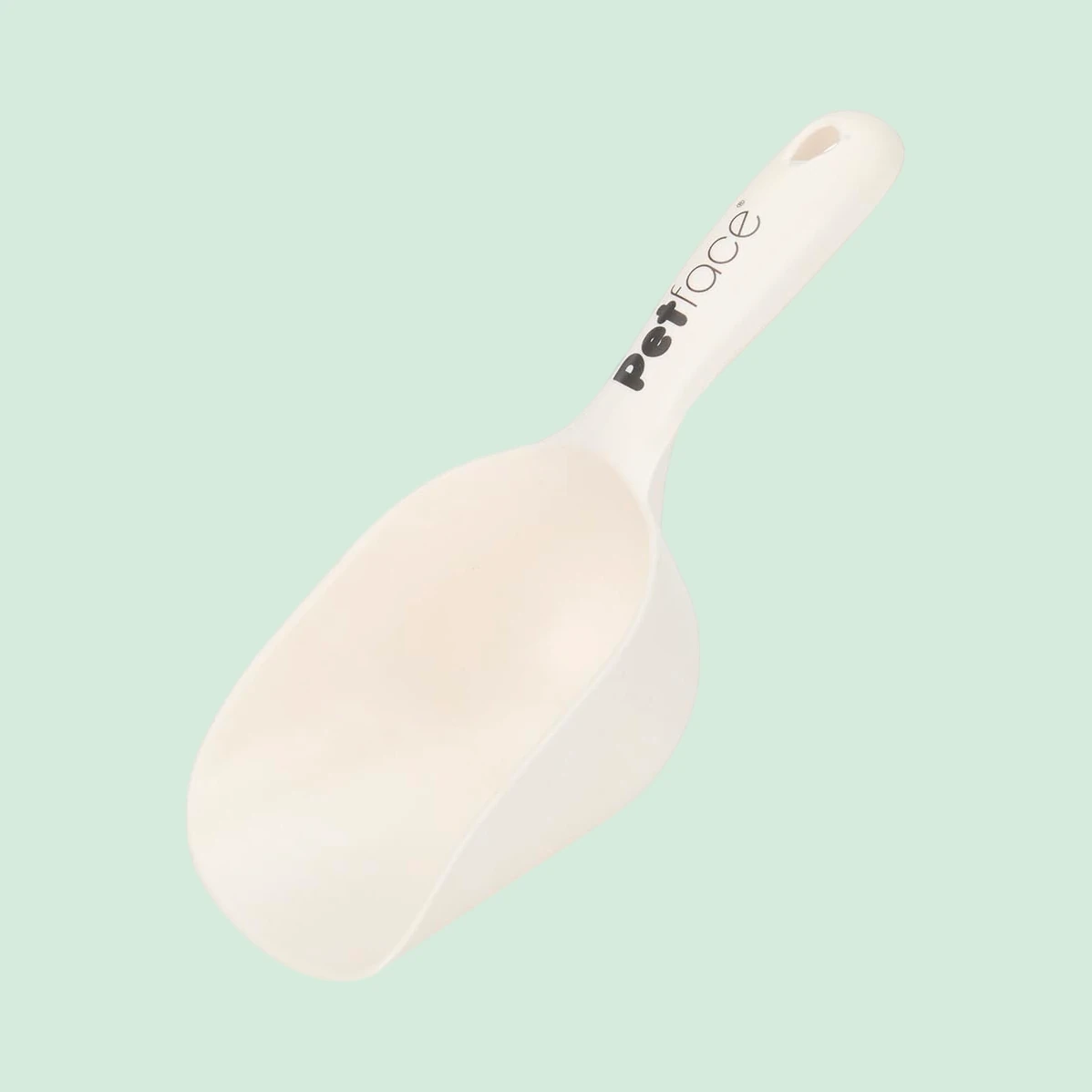
Petface
Pet Food Scoop
A light plastic food scoop that makes measuring kibble a daily habit.
£
View on Amazon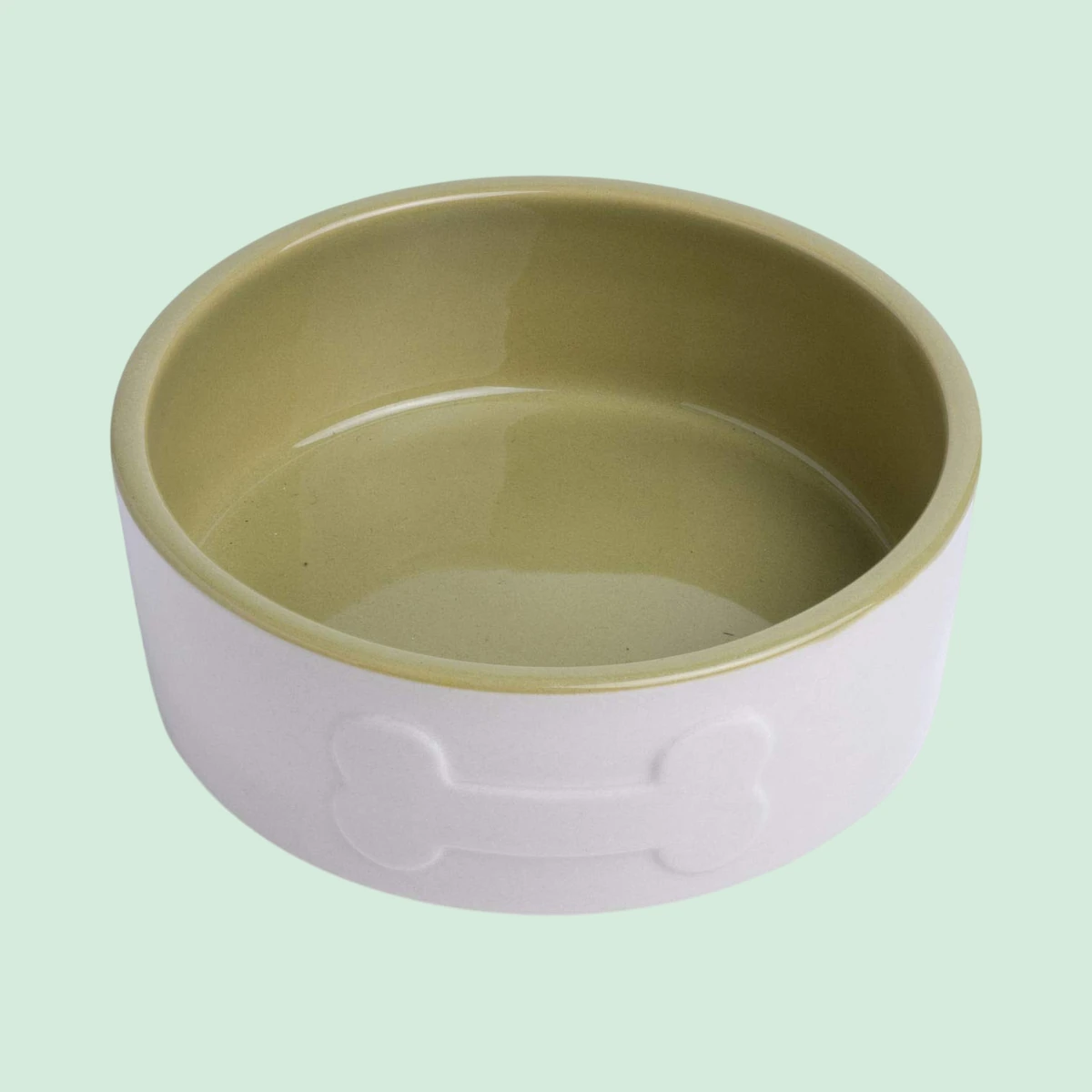
Petface
Ceramic Bone Bowl, 15cm
A 15cm ceramic dog bowl in cream and green, sized for toy and small breeds.
£
View on Amazon
Mason Cash
Cane Dog Bowl, 20cm
The Derbyshire stoneware classic, a 20cm dog bowl holding 1.6 litres and dishwasher safe.
££
View on Amazon