



76/100Excellent
2 varieties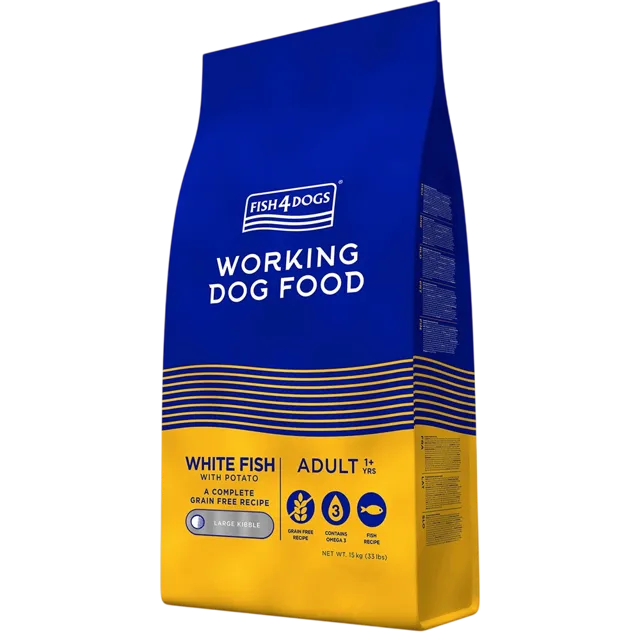
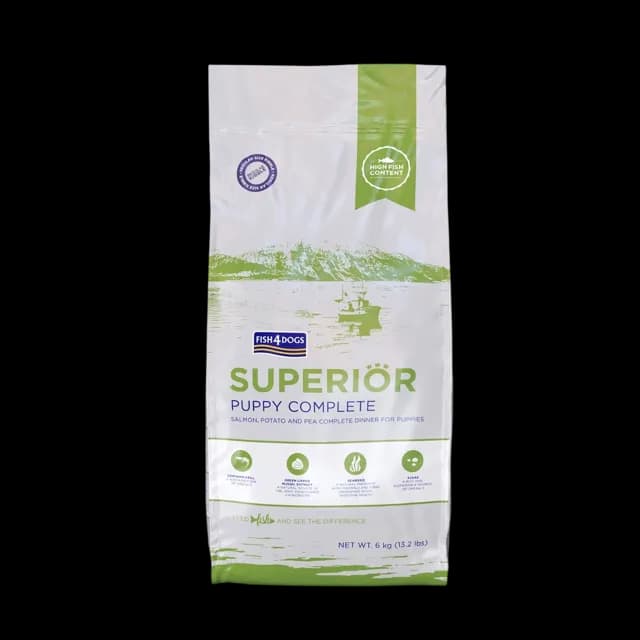
Fish4Dogs
The brand's hardest working recipe, for dogs on the move all day, in three fish versions that all read in our Good band. The sardine finishes top. Every animal ingredient across the range is fish, and salmon oil goes in at a level that would look generous on any dry food.
Written by our editorial team. Independent guidance, not veterinary advice.
Listed for adult dogs of every size. Feed to the bag's own table and let the waistline settle the amount, since these are built for dogs that burn a lot.
Dry
Adult
Toy, Small, Medium, Large, Giant
White Fish
All three Good. Typical dry food: Good.
Little separates the three, so the flavour your dog looks forward to is the better tiebreaker, though the sardine edges ahead on its larger dried fish share and leaner carbohydrate.
Vitamins A, D3 and E with taurine at 1 g and iodine the only trace element dosed, preserved with tocopherol-rich extracts.
The white fish is not named to species, so this cannot pin down one particular fish.
Named ingredients
The mildest flavour in the range, at the cost of knowing which fish.
All three share one skeleton. A fresh named fish sits at the top, with salmon meal as the dried partner that delivers most of the finished protein. Pea starch and a potato make the base, and beet pulp the fibre. No cereal grain and no land animal appears in any of them.
Salmon oil is the fat throughout, at generous levels, with sunflower oil behind it. Brewers yeast and 1 g of taurine run through the range. Iodine is the only mineral quantified on any label. What varies is the lead fish, the size of the salmon meal share and the potato.
26%
12%
2.5%
7.5%
8%
28.3%
13%
2.7%
8.2%
47.8%
Estimated breakdown of the finished product by ingredient category, from the declared ingredient list and ingoing weights. These are estimates, not measurements.
39%
45.9%
10.9%
4.2%
Budget end of the dry market, though you pay a little more than the analysis alone would justify.
Ingredients and nutrition are taken from manufacturer data. Retailer pricing is not yet live for this food.
Ranked shortlists that include foods like this one.
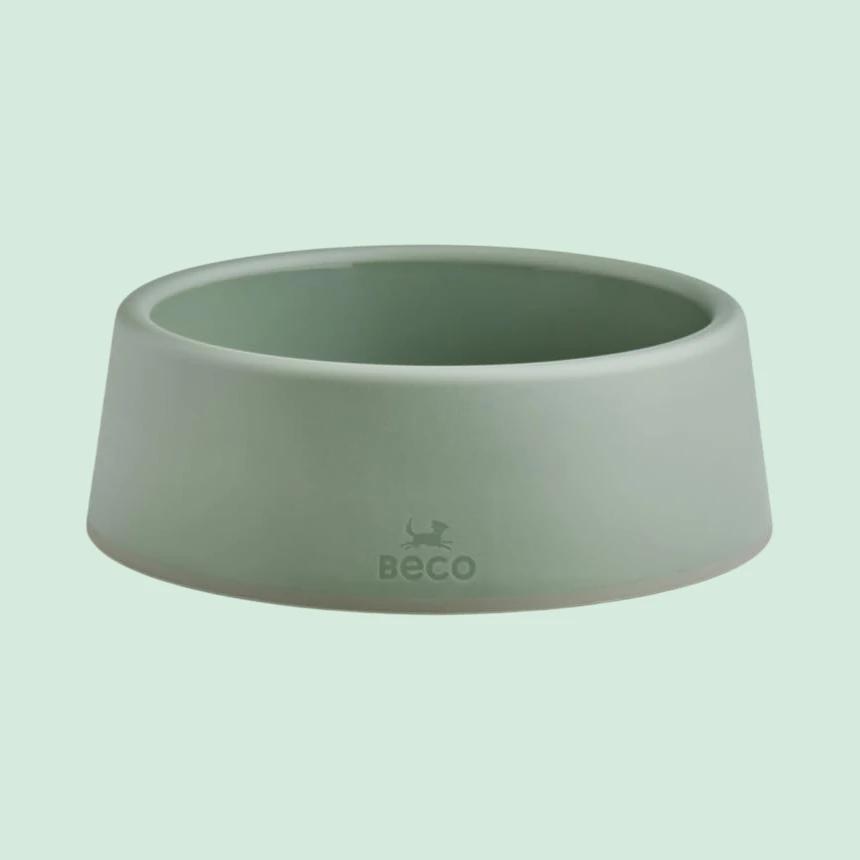
Beco
A recycled plastic dog bowl with a wide weighted base that stays where you put it.
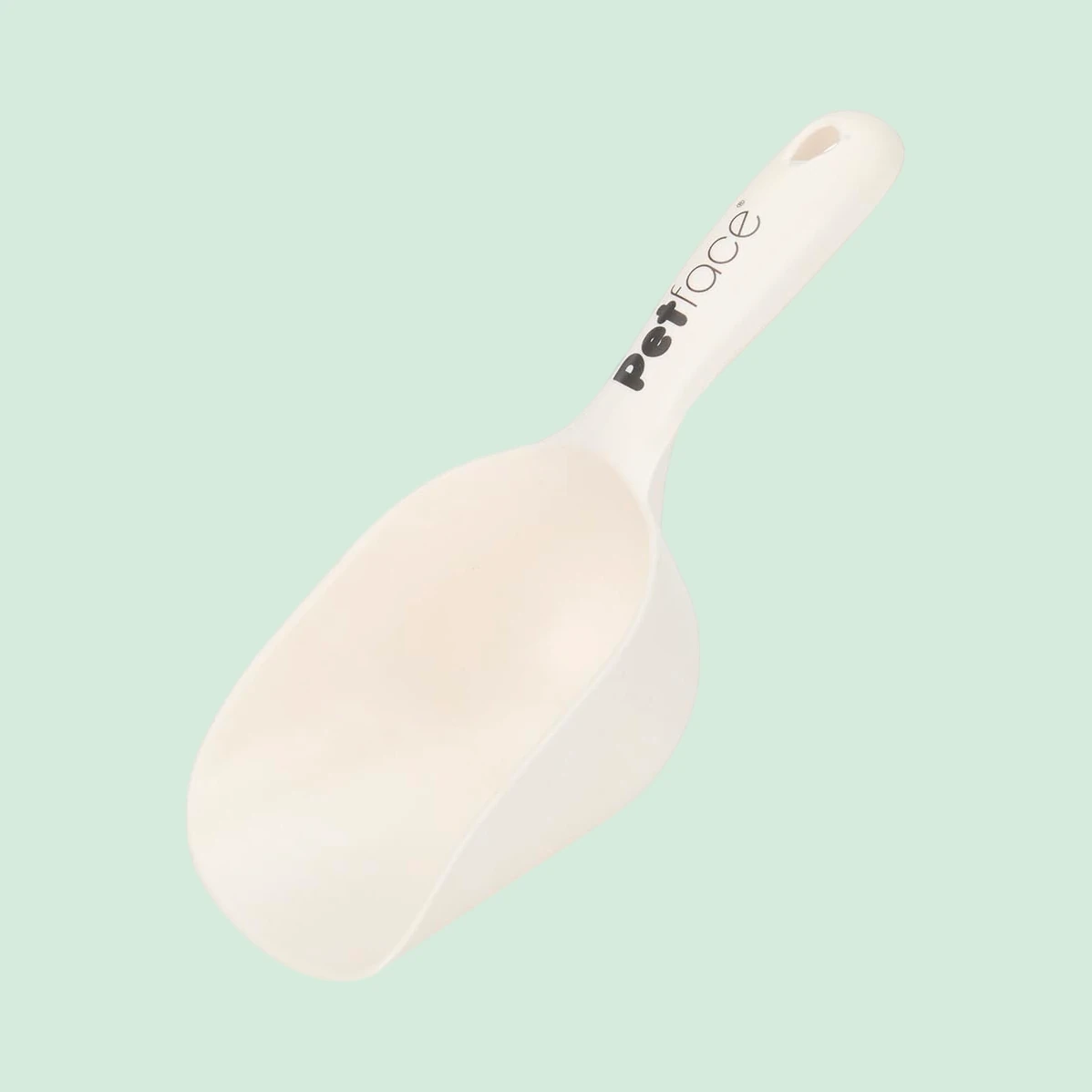
Petface
A light plastic food scoop that makes measuring kibble a daily habit.
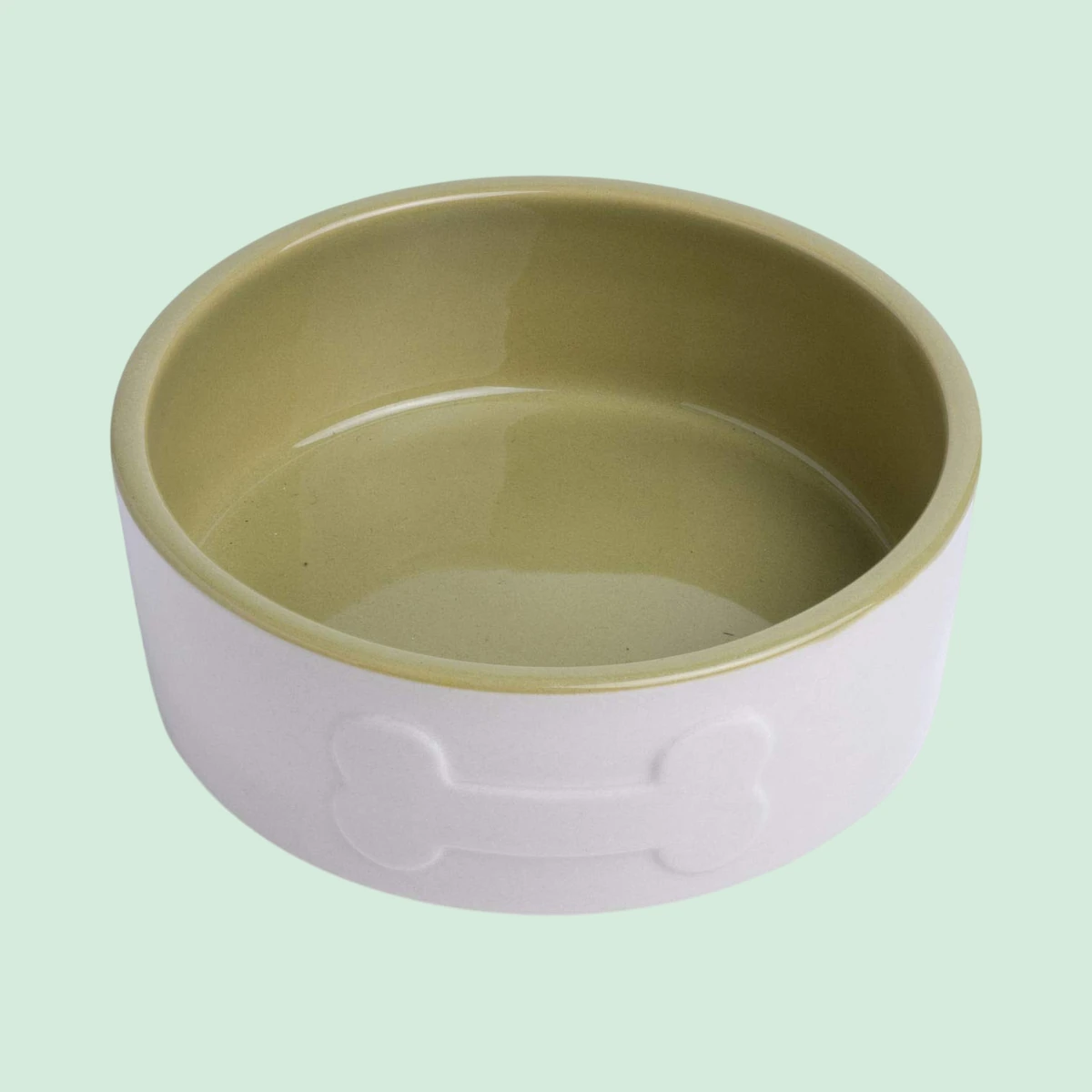
Petface
A 15cm ceramic dog bowl in cream and green, sized for toy and small breeds.
Mason Cash
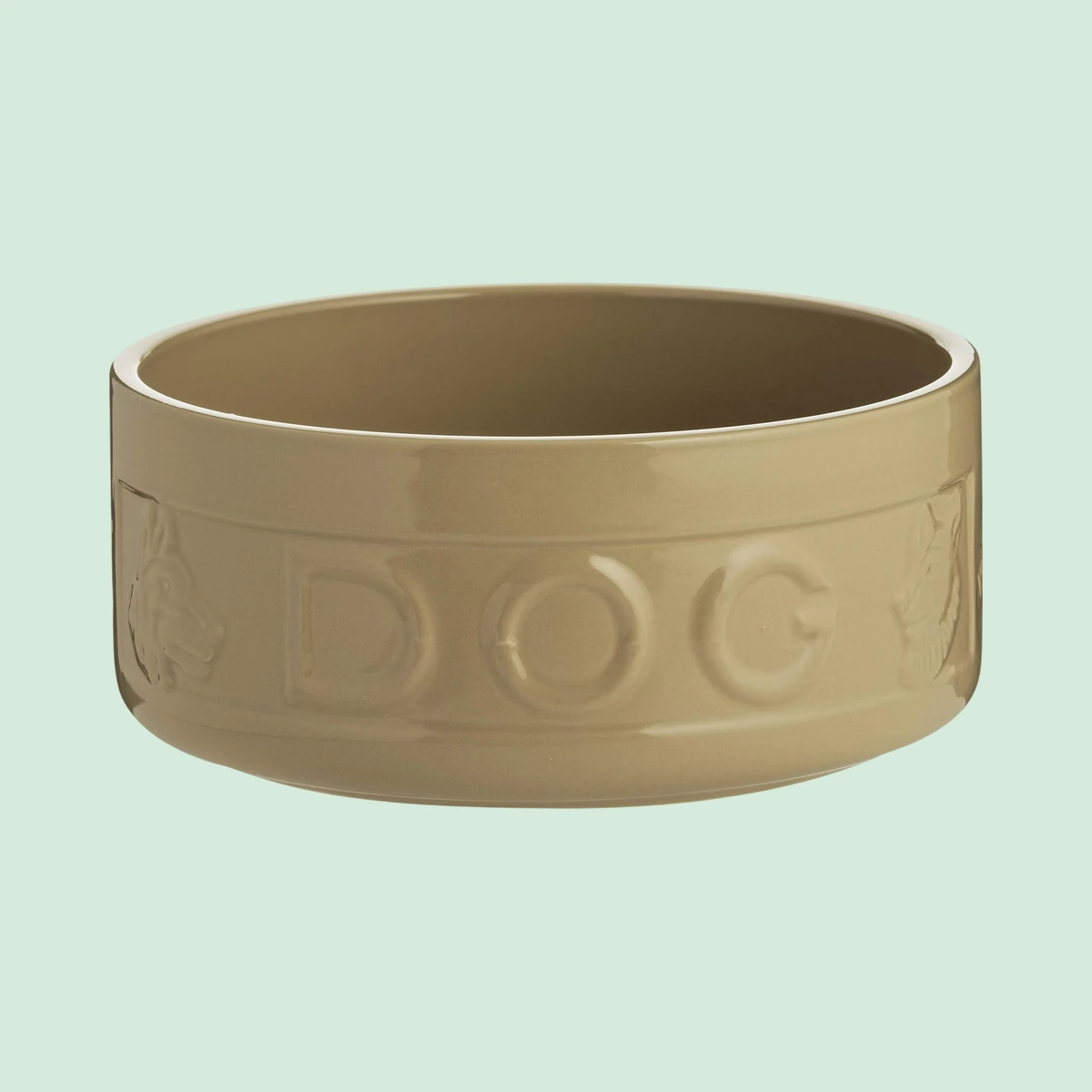
The Derbyshire stoneware classic, a 20cm dog bowl holding 1.6 litres and dishwasher safe.