



72/100Excellent
CSJ
CSJ That'll Do / Hi Lost review
50.9/100Good
DryPuppyAdult
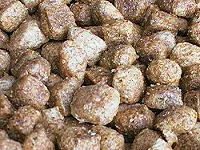
An unfussy everyday kibble, also sold as Hi Lost, in our Good band. Wheat leads with chicken meal directly behind it, and the vitamin and mineral panel is complete and printed. The cereals take up enough of the bowl to hold it where it is, and nothing on the label is wrong.
Where to buy: coming soon
Live retailer links are coming soon. Once we have them from UK retailers, where to buy and the best price will appear here.
Our view
Likely to suit
- Kennels and multi-dog homes. One sack covers puppies, adults and seniors
- Dogs that get on with chicken, the only meat named
- A settled stomach that likes a mild, familiar kibble
- Moderately active adults, the dogs the label's feeding table is written around
Worth watching
- Wheat first on the list, so not for a wheat-sensitive dog
- Sold for puppies with no calcium figure declared
Written by our editorial team. Independent guidance, not veterinary advice.
How this scores
How we score50.9/100Good
Protein and processingAverage
Nutritional balanceAverage
TransparencyOutstanding
ValueGood
The details
Dog fit
Listed for puppies, adults and seniors of every size. If you are rearing a large breed puppy, ask CSJ for the calcium figure before feeding it for growth.
Food type
Dry
Life stage
Puppy, Adult, Senior
Breed size
Toy, Small, Medium, Large, Giant
Main protein
Chicken
The score, in context
- CSJ That'll Do / Hi Lost 50.9
All one Good. Typical dry food: Good.
Chicken meal and a fully dosed panel keep it level with the typical dry food, while the cereals carrying the bulk hold nutritional balance at Average.
What's in it
- WheatMakes a firm, consistent kibble. Where a dog has a grain intolerance, wheat is usually the cereal involved.
- Chicken mealDried and concentrated, so it brings more protein than its place suggests. No percentage given: the label's main gap.
- Maize
- Chicken fat, chicken gravyEnergy and palatability.
- RiceThe gentlest cereal here on a sensitive digestion.
- Beet pulp, alfalfaFibre, with a little plant protein from the alfalfa.
- Salmon oilMarine omega 3 for skin and coat.
- Minerals, oats, yeast
- Yucca schidigeraTo soften what your dog leaves in the garden.
A full panel in plain sulphate forms, the ordinary choice at this level, with zinc at 62.5 mg/kg and vitamin E at 230 mg/kg among the figures.
Named ingredients
Wheat, Chicken meal, Maize, Chicken fat, Chicken gravy, Rice, Beet pulp, Alfalfa, Salmon oil, Minerals, Oats, Yeast, Yucca schidigera.
Against the range
Nutritional analysis
Declared analysis
Energy
382 kcal/100g
Protein
21%
Fat
12%
Fibre
2.3%
Ash
5%
Moisture
10%
Dry weight
Protein
23.3%
Fat
13.3%
Fibre
2.6%
Ash
5.6%
Carbs
55.2%
As-fed composition
Estimated breakdown of the finished product by ingredient category, from the declared ingredient list and ingoing weights. These are estimates, not measurements.
Meat
31.2%
Carbs
61.3%
Veg
1.1%
Oils
5.8%
Other
0.7%
Pricing & size
- Price per kilo
- £1.31 (RRP)
- Pack
- 15 kg sack
- A 15kg dog eats (our estimate)
- 170 to 285 g a day, 225 in the middle
- Cost per day, 15kg dog
- £0.29
Let your dog's waistline settle where inside the label's daily range it belongs.
Budget end of the dry market, though on the analysis alone it still asks a touch more than it earns.
Ingredients and nutrition are taken from manufacturer data. Retailer pricing is not yet live for this food.
Related dog food guides
Ranked shortlists that include foods like this one.
Related foods
All reviews
67/100Good
66/100Good
65/100Good
Featured feeding accessories
All feeding accessories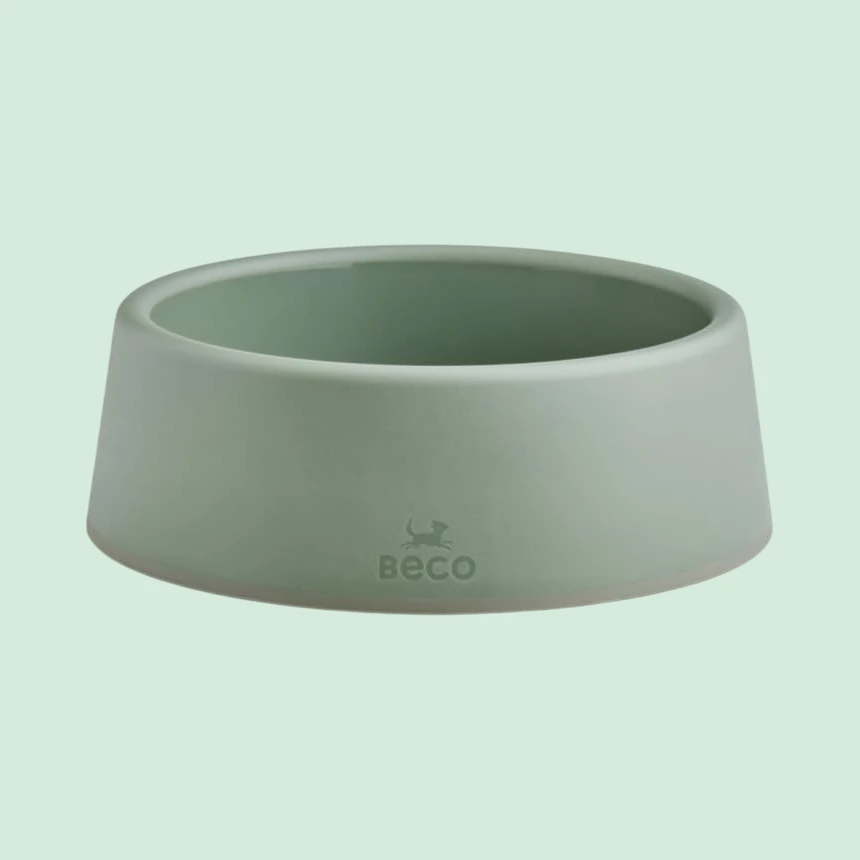
Beco
Steady Bowl
A recycled plastic dog bowl with a wide weighted base that stays where you put it.
£
View on Amazon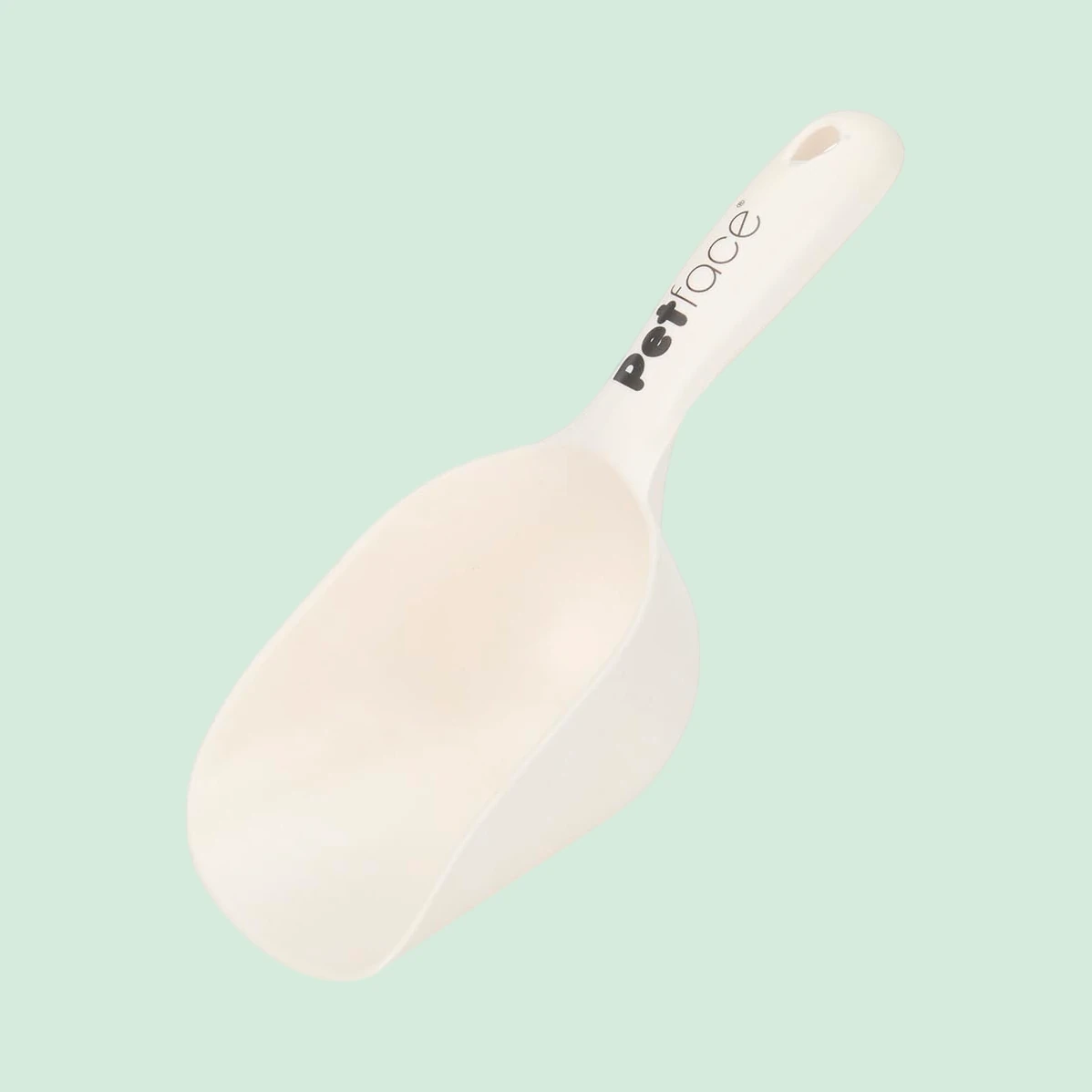
Petface
Pet Food Scoop
A light plastic food scoop that makes measuring kibble a daily habit.
£
View on Amazon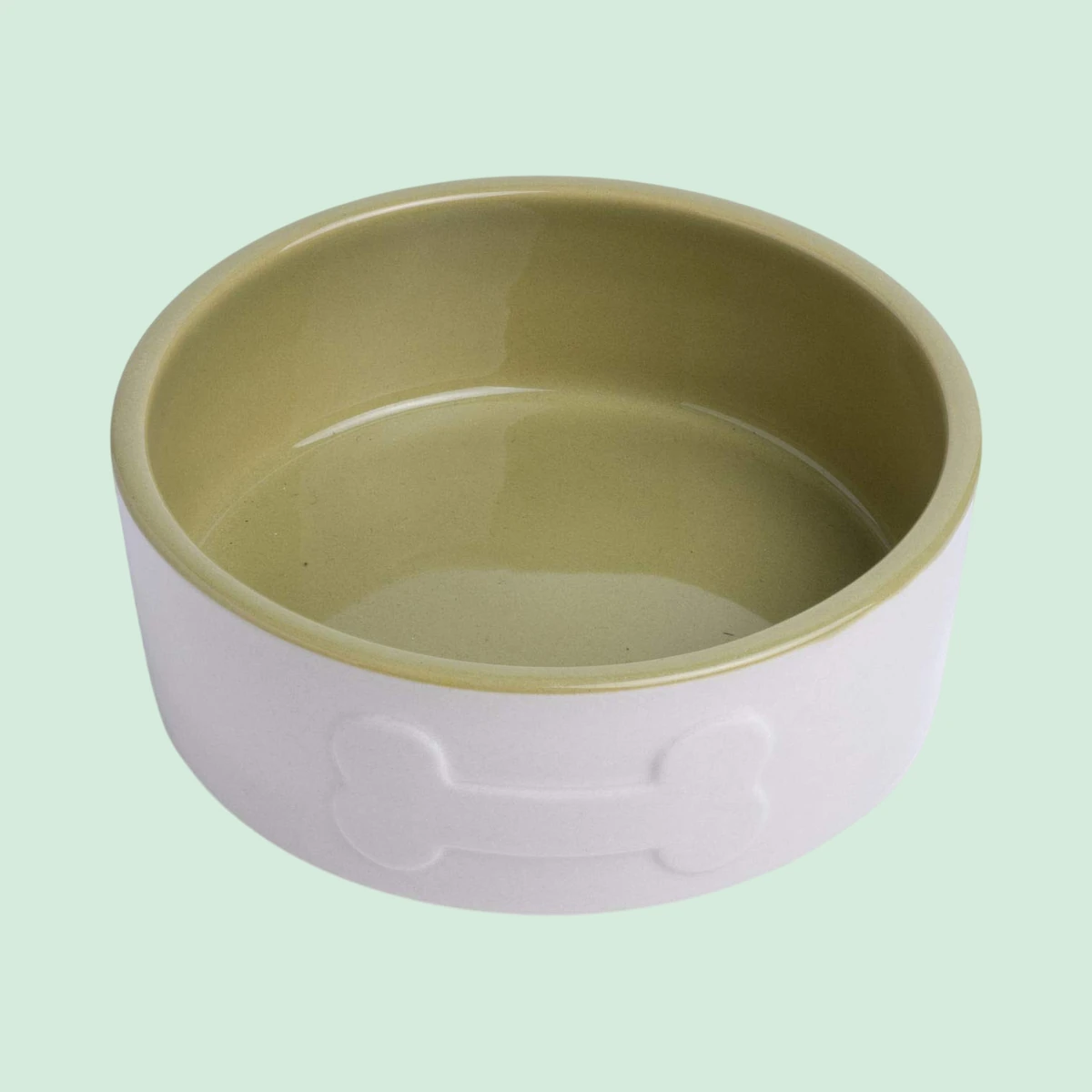
Petface
Ceramic Bone Bowl, 15cm
A 15cm ceramic dog bowl in cream and green, sized for toy and small breeds.
£
View on Amazon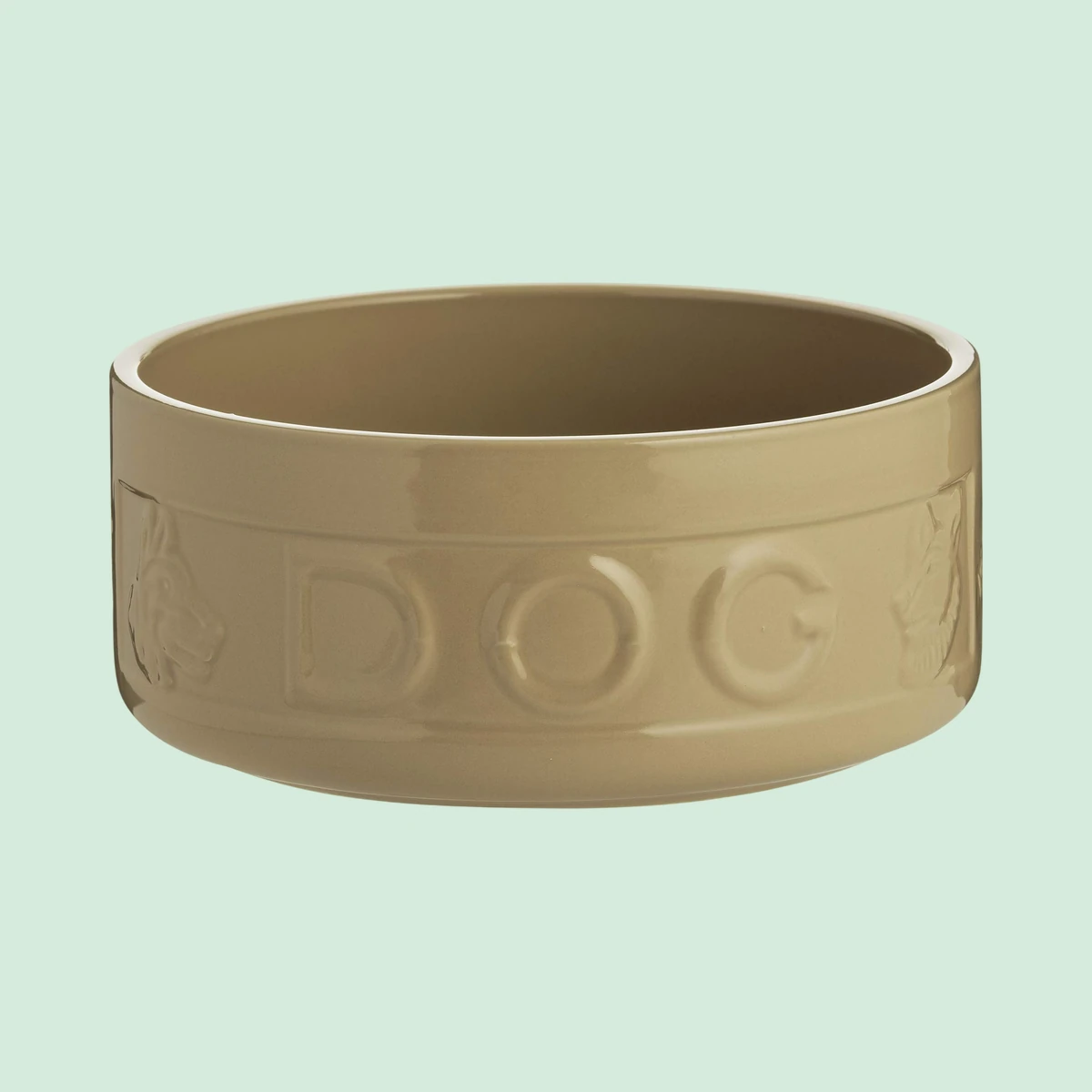
Mason Cash
Cane Dog Bowl, 20cm
The Derbyshire stoneware classic, a 20cm dog bowl holding 1.6 litres and dishwasher safe.
££
View on Amazon