



72/100Excellent
CSJ
CSJ Little Champ review
65.2/100Good
DryPuppy
A growth kibble built the traditional British way, chicken meal first and wheat and maize carrying the rest, and it sits in our Good band. It is energy dense, at 381 kcal per 100g, with every vitamin and trace mineral dosed. What the label never prints is a calcium figure.
Where to buy: coming soon
Live retailer links are coming soon. Once we have them from UK retailers, where to buy and the best price will appear here.
Our view
Likely to suit
- Busy, quick growing puppies, at 381 kcal per 100g against 376 typical
- Pups who get on with chicken: meal, fat and gravy all follow it
- Owners comfortable with a cereal-based kibble
- Trace minerals dosed in print, from zinc at 62.5mg/kg down to selenium at 0.2mg/kg
Worth watching
- No calcium figure, the number a large or giant breed pup's growth leans on hardest
- Beef meal, salmon oil and two wheat entries, so no exclusion diet and no wheat-free plan
Written by our editorial team. Independent guidance, not veterinary advice.
How this scores
How we score65.2/100Good
Protein and processingGood
Nutritional balanceAverage
TransparencyOutstanding
ValueGood
The details
Dog fit
Listed for puppies of every size. The label's guide runs from 24g a day for the smallest pups to 350g; owners of a big pup will want to ask CSJ for the calcium figure first.
Food type
Dry
Life stage
Puppy
Breed size
Toy, Small, Medium, Large, Giant
Main protein
Chicken
The score, in context
- CSJ Little Champ 65.2
All one Good. Typical dry food: Good.
Nothing drags the rest down; it is simply built to a cereal and meat meal pattern, and the missing calcium line has the most room to move.
What's in it
- Chicken mealWater gone before mixing, so it carries far more protein than fresh meat would. No percentage given.
- Wheat, maize, wheat flourThe bulk and the binding. Wheat is the grain dogs most often turn out to be sensitive to.
- Beef mealA second animal, also without a percentage.
- Chicken fat, chicken gravy
- Beet pulpA gentle, well tolerated fibre.
- Alfalfa
- Linseed, salmon oilOmega 3 from a plant and a marine source.
- Minerals
- Yucca schidigeraKeeps the smell down at the other end.
Vitamin A at 18,500iu/kg, D3 at 1,850iu/kg and E at 300mg/kg, with iron, copper, zinc, manganese, iodine and selenium each dosed as sulphates, iodate or selenite.
No calcium figure on a growth food. For a large or giant breed pup, ask CSJ for it.
Named ingredients
Chicken meal, Wheat, Maize, Wheat flour, Beef meal, Chicken fat, Chicken gravy, Beet pulp, Alfalfa, Linseed, Minerals, Salmon oil, Yucca schidigera.
Against the range
Nutritional analysis
Declared analysis
Energy
381 kcal/100g
Protein
26%
Fat
12%
Fibre
3.5%
Ash
7.5%
Moisture
10%
Dry weight
Protein
28.9%
Fat
13.3%
Fibre
3.9%
Ash
8.3%
Carbs
45.6%
As-fed composition
Estimated breakdown of the finished product by ingredient category, from the declared ingredient list and ingoing weights. These are estimates, not measurements.
Meat
45.6%
Carbs
50.7%
Veg
0.7%
Oils
2.3%
Other
0.7%
Pricing & size
- Price per kilo
- £1.80 (RRP)
- Pack
- 15 kg sack
- A 15kg dog eats
- 120 to 200 g a day, 160 in the middle
- Cost per day, 15kg dog
- £0.29
A puppy's portion keeps moving, so the daily cost moves with it.
Budget end of the market for a dry food, though you pay a little over the odds for what the analysis shows.
Ingredients and nutrition are taken from manufacturer data. Retailer pricing is not yet live for this food.
Related dog food guides
Ranked shortlists that include foods like this one.
Related foods
All reviews
67/100Good
66/100Good
63/100Good
Featured feeding accessories
All feeding accessories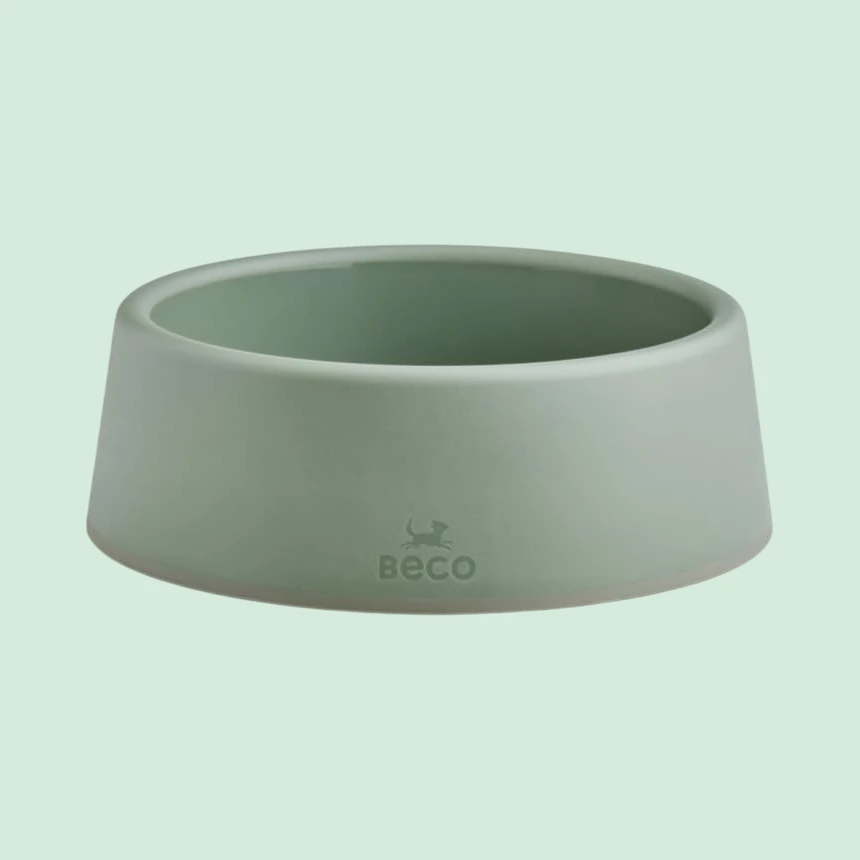
Beco
Steady Bowl
A recycled plastic dog bowl with a wide weighted base that stays where you put it.
£
View on Amazon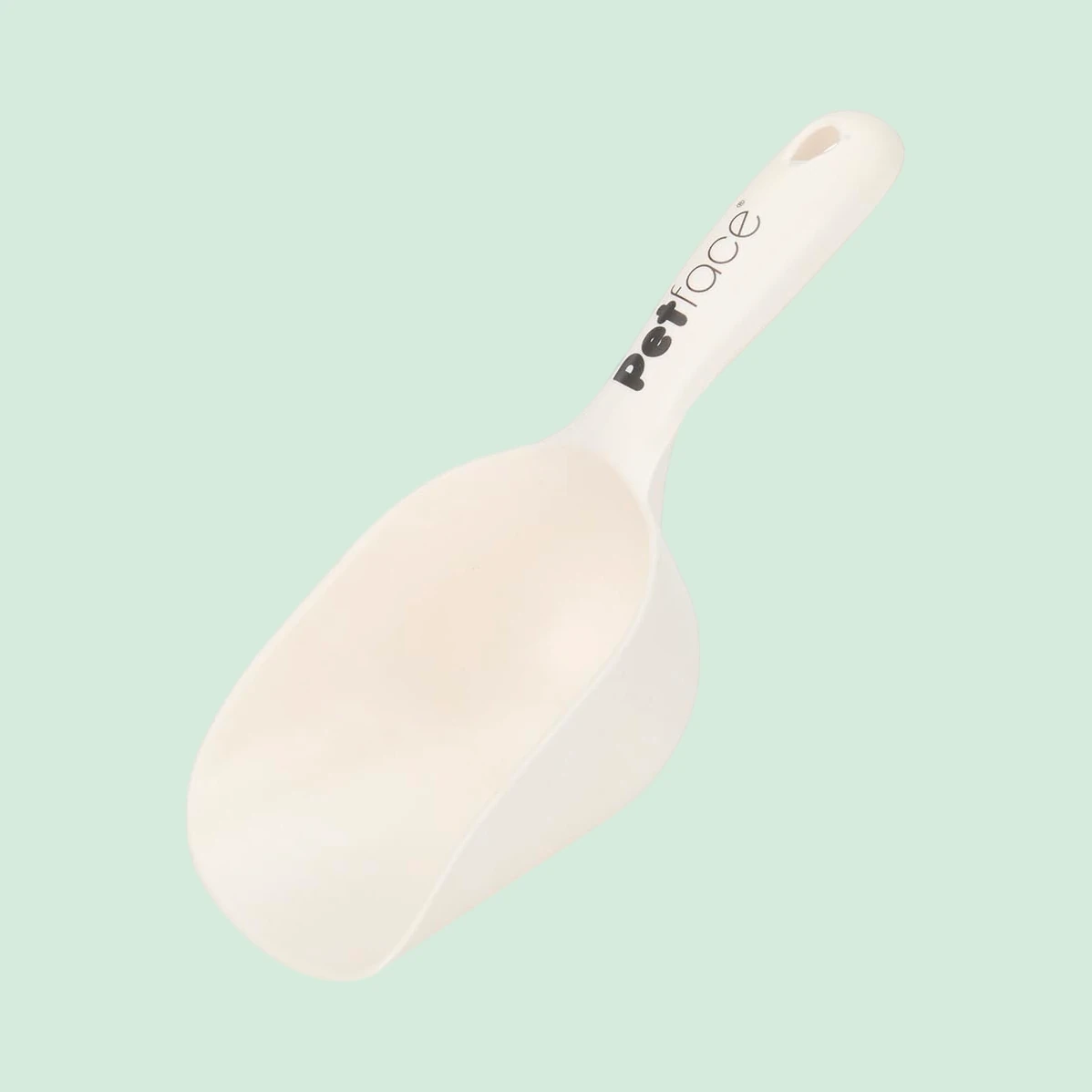
Petface
Pet Food Scoop
A light plastic food scoop that makes measuring kibble a daily habit.
£
View on Amazon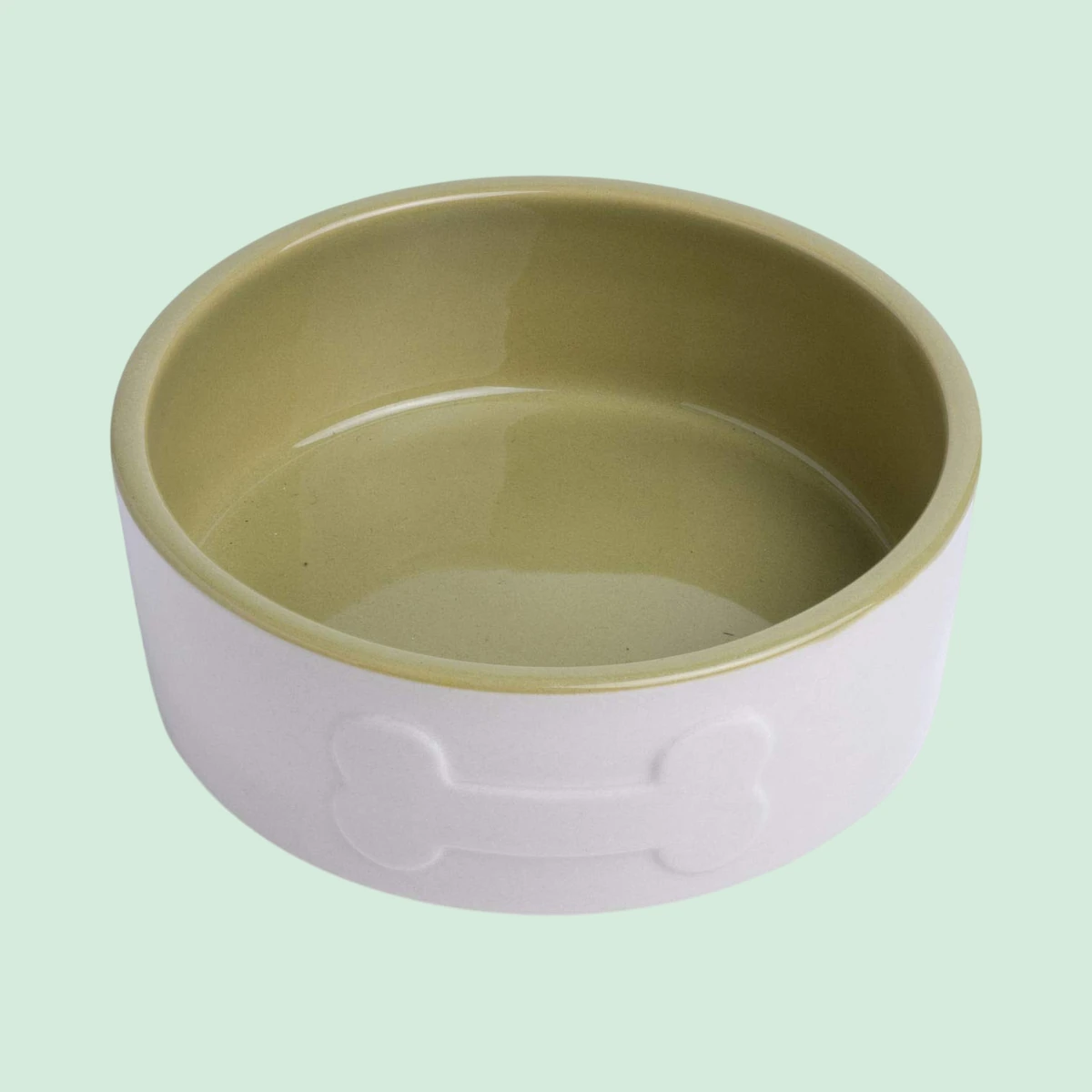
Petface
Ceramic Bone Bowl, 15cm
A 15cm ceramic dog bowl in cream and green, sized for toy and small breeds.
£
View on Amazon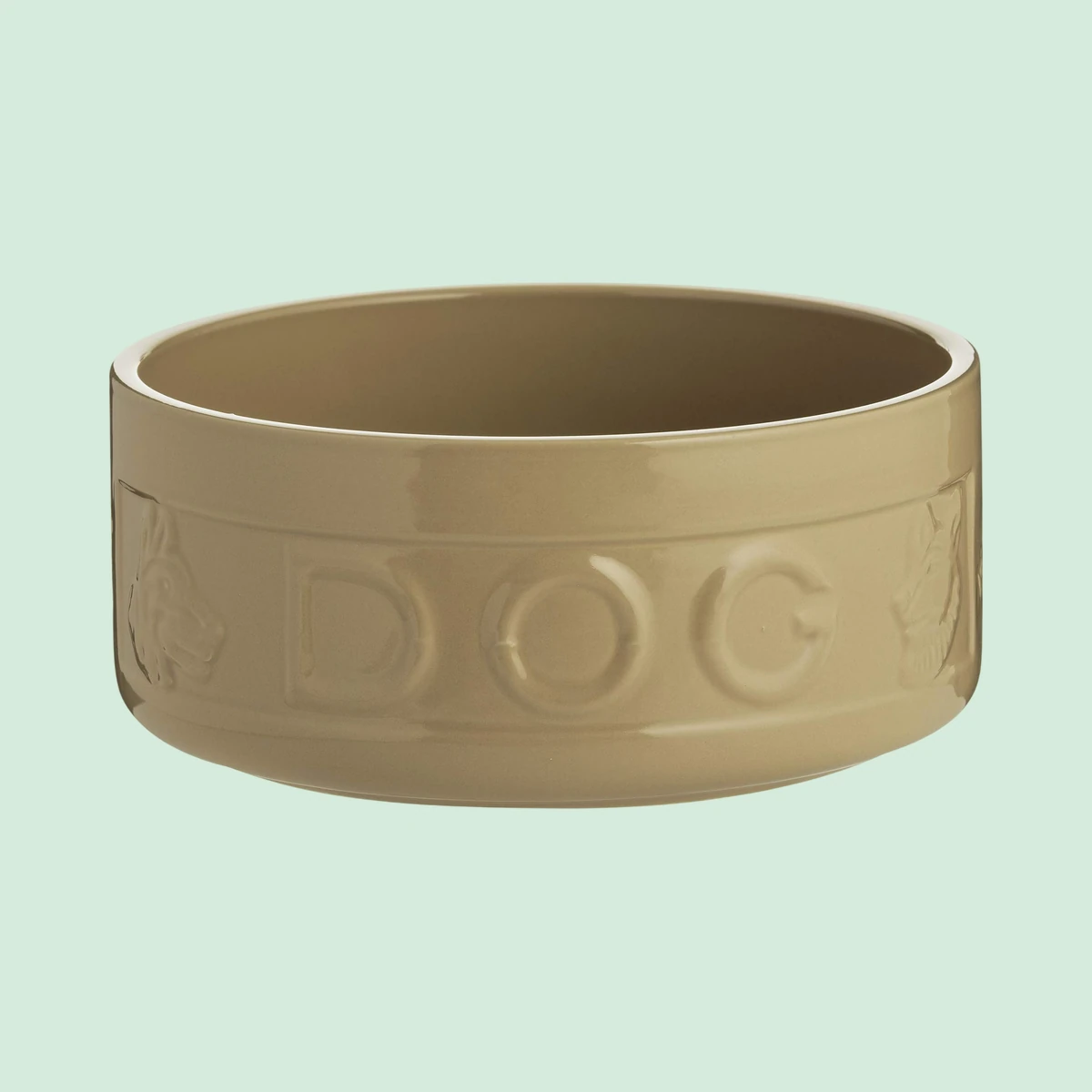
Mason Cash
Cane Dog Bowl, 20cm
The Derbyshire stoneware classic, a 20cm dog bowl holding 1.6 litres and dishwasher safe.
££
View on Amazon