



72/100Excellent
CSJ
CSJ Herbie Nuts review
51.2/100Good
DryAdult
Traditional British kennel feeding: a wheat-based kibble with chicken meal behind it and mint, fenugreek and seaweed giving the food its name. It sits in our Good band, held there by the cereal side. Chicken liver brings the palatability, and the zinc on the mineral panel is unusually generous.
Where to buy: coming soon
Live retailer links are coming soon. Once we have them from UK retailers, where to buy and the best price will appear here.
Our view
Likely to suit
- Dogs that have thrived for years on cereal-based kibble and see no reason to change
- Fussier eaters. Chicken liver is one of the most tempting things in a dry food
- A coat that needs a hand, with zinc at 350mg/kg as the sulphate and 300mg/kg as a chelate
- A little settling in the gut from unmolassed beet pulp and yeast
Worth watching
- Wheat heads the list, with chicken, beef and salmon oil behind it, so not one for an itchy or sensitive dog
- Salt as its own entry, worth knowing with a heart or blood pressure history
Written by our editorial team. Independent guidance, not veterinary advice.
How this scores
How we score51.2/100Good
Protein and processingAverage
Nutritional balancePoor
TransparencyOutstanding
ValueGood
The details
Dog fit
Listed for adults of every size. The label asks 170 to 290 grams a day for a dog of 10kg to 20kg, and the waistline decides where in that range to sit.
Food type
Dry
Life stage
Adult
Breed size
Toy, Small, Medium, Large, Giant
Main protein
Chicken
The score, in context
- CSJ Herbie Nuts 51.2
All one Good. Typical dry food: Good.
A cereal-led food in a market that has moved towards meat, and the carbohydrate is what our scoring reacts to; plenty of dogs have lived long, happy lives on exactly this sort of recipe.
What's in it
- WheatBinds a kibble well; also the grain that turns up most in intolerant dogs' histories.
- Chicken mealDried and concentrated, so its protein survives the oven.
- Maize, rice
- Chicken fat, chicken liverLiver for palatability, heavy in B vitamins, vitamin A and copper.
- Unmolassed beet pulpQuiet gut support.
- Beef mealA second animal protein.
- Wheatfeed, prairie meal, alfalfa, oatsWheatfeed is flour-milling leftovers; prairie meal is maize gluten, plant protein propping up the figure.
- Salmon oilMarine omega 3.
- Mint, fenugreek, yeast, seaweedThe herbs behind the name: breath, appetite and iodine.
- Salt, yucca schidigeraSalt listed on its own line is honest labelling.
Vitamins A, D and E, with iron, copper, manganese and selenium, and zinc twice over, the chelate the more readily absorbed.
Named ingredients
Wheat, Chicken Meal, Maize, Chicken Fat, Chicken Liver, Rice, Unmolassed Beet Pulp, Beef Meal, Wheatfeed, Prairie Meal, Alfalfa, Oats, Salmon Oil, Mint, Fenugreek, Yeast, Seaweed, Salt, Yucca Schidigera.
Against the range
Nutritional analysis
Declared analysis
Energy
375 kcal/100g
Protein
20%
Fat
10%
Fibre
2.5%
Ash
5%
Moisture
10%
Dry weight
Protein
22.2%
Fat
11.1%
Fibre
2.8%
Ash
5.6%
Carbs
58.3%
As-fed composition
Estimated breakdown of the finished product by ingredient category, from the declared ingredient list and ingoing weights. These are estimates, not measurements.
Meat
32.7%
Carbs
60.6%
Veg
0.3%
Oils
5.2%
Other
1.1%
Pricing & size
- Price per kilo
- £1.32 (RRP)
- Pack
- 15 kg sack
- A 15kg dog eats
- 170 to 290 g a day, 230 in the middle
- Cost per day, 15kg dog
- £0.30
Budget end of the market for a dry food, though the price still runs ahead of what the analysis shows.
Ingredients and nutrition are taken from manufacturer data. Retailer pricing is not yet live for this food.
Related dog food guides
Ranked shortlists that include foods like this one.
Related foods
All reviews
67/100Good
66/100Good
65/100Good
Featured feeding accessories
All feeding accessories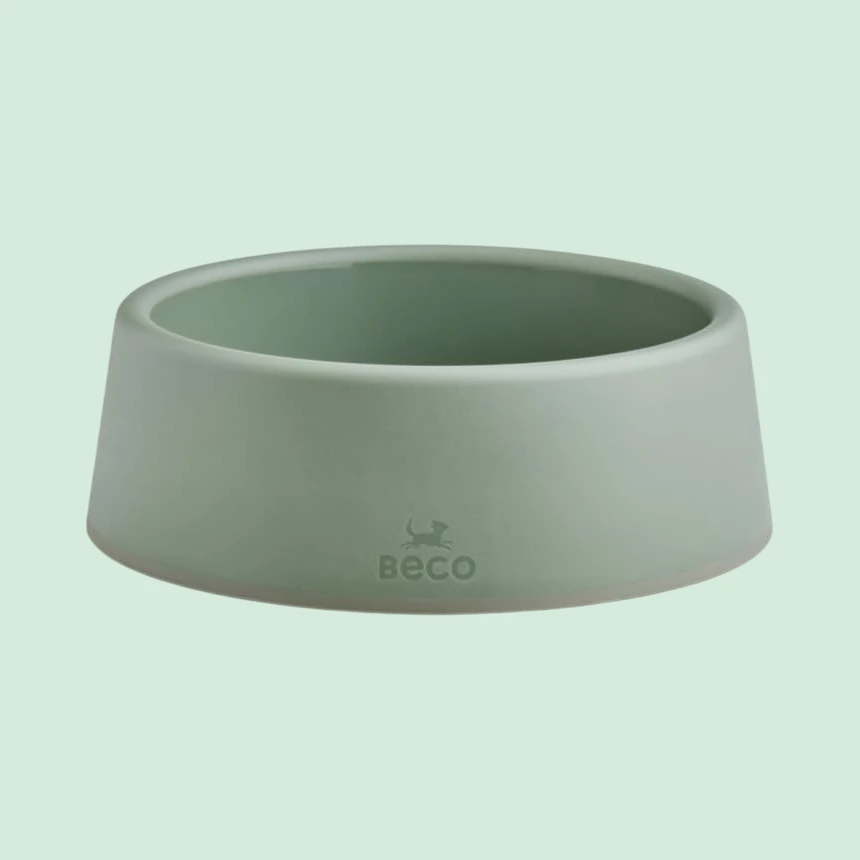
Beco
Steady Bowl
A recycled plastic dog bowl with a wide weighted base that stays where you put it.
£
View on Amazon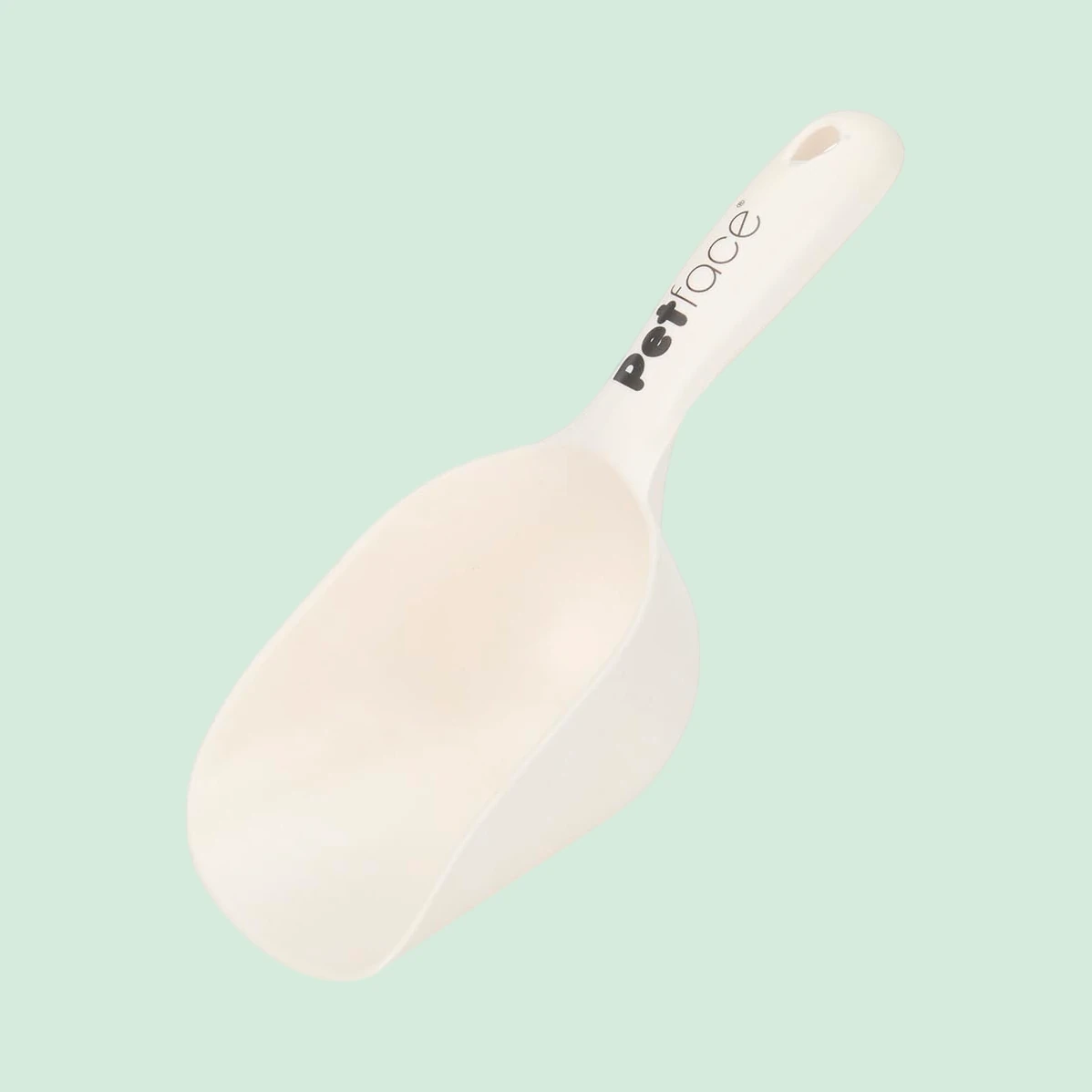
Petface
Pet Food Scoop
A light plastic food scoop that makes measuring kibble a daily habit.
£
View on Amazon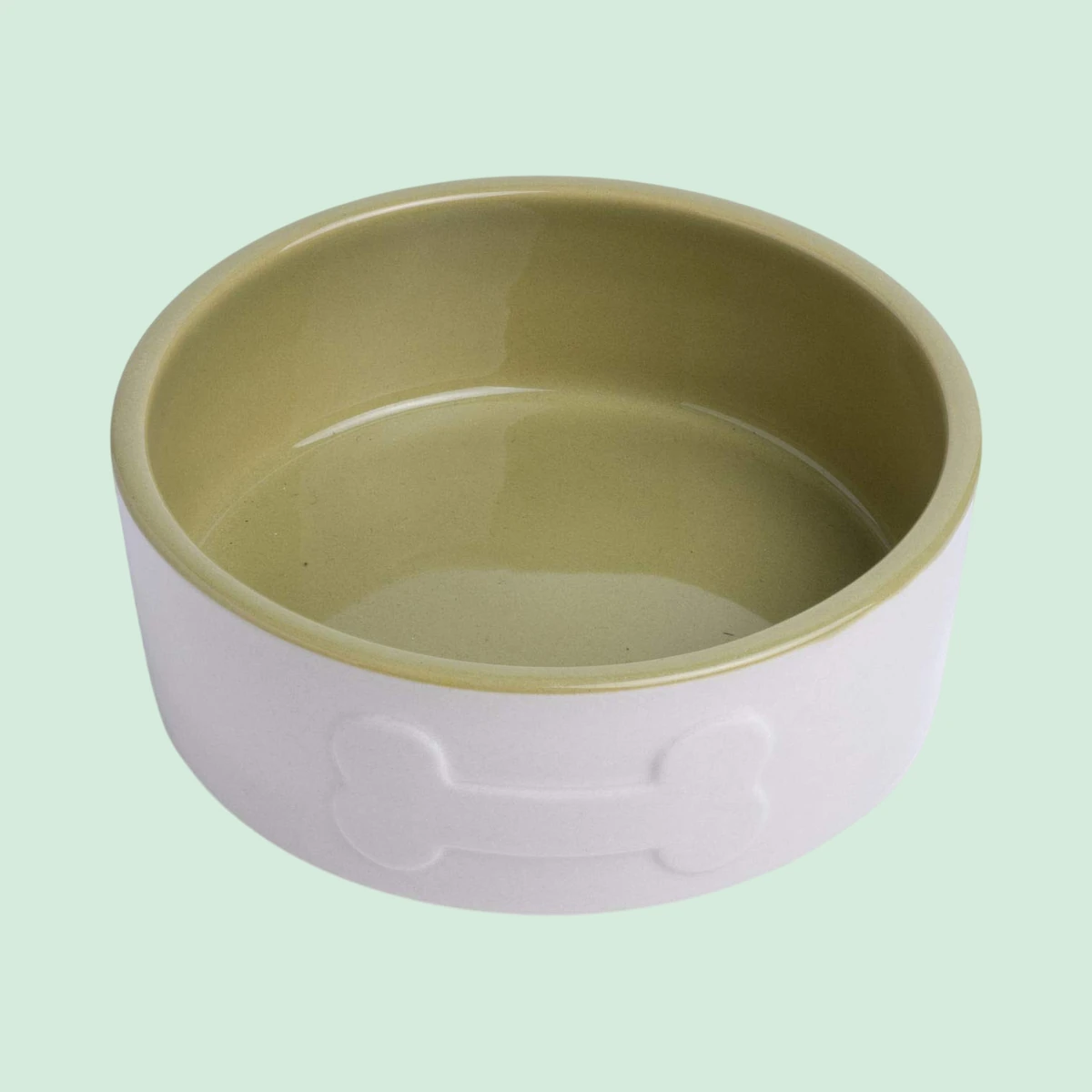
Petface
Ceramic Bone Bowl, 15cm
A 15cm ceramic dog bowl in cream and green, sized for toy and small breeds.
£
View on Amazon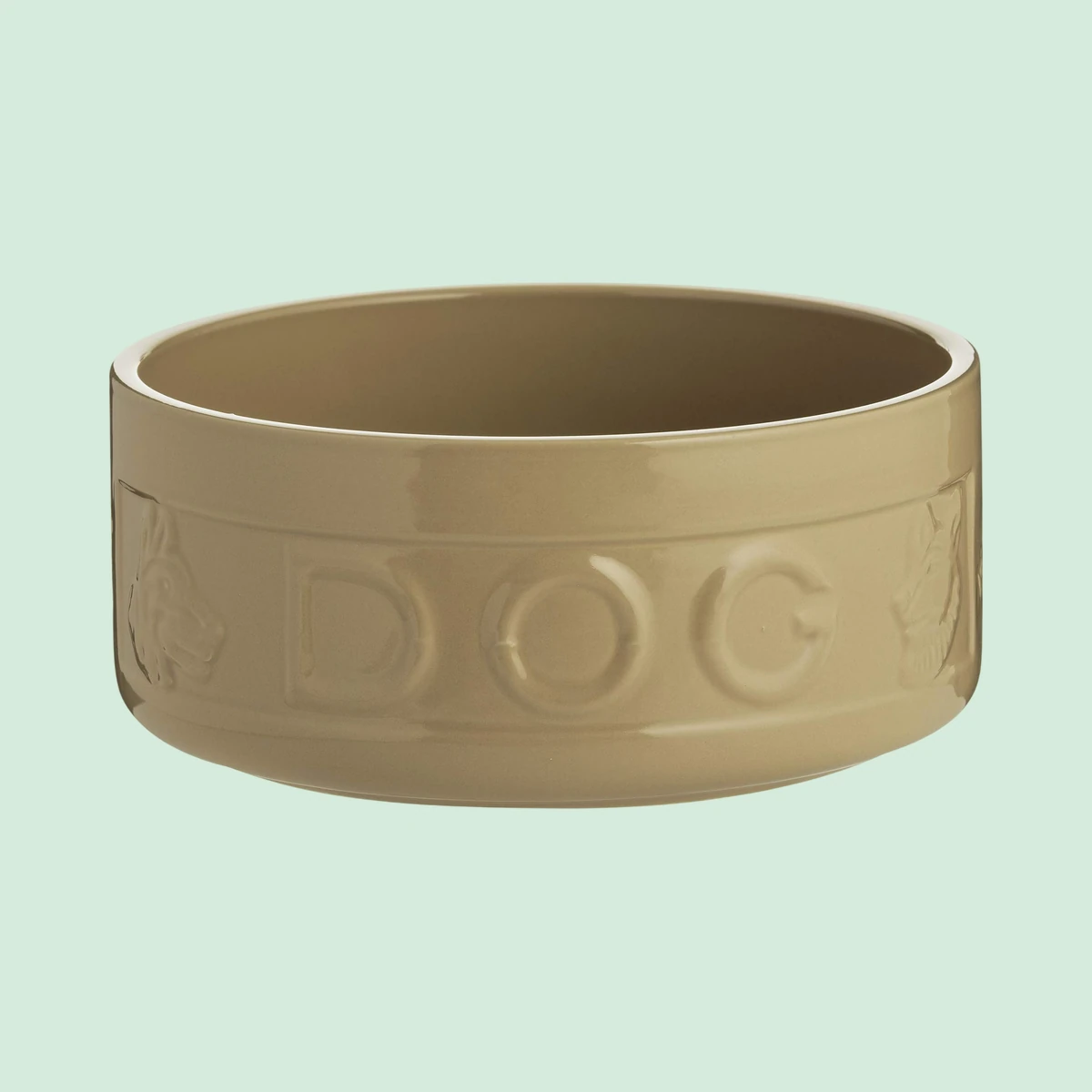
Mason Cash
Cane Dog Bowl, 20cm
The Derbyshire stoneware classic, a 20cm dog bowl holding 1.6 litres and dishwasher safe.
££
View on Amazon