


82/100Outstanding
5 varieties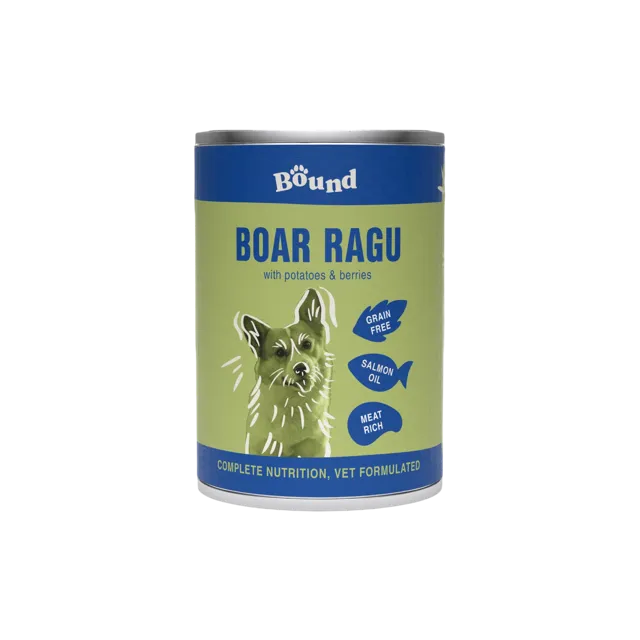
Bound
Flavour
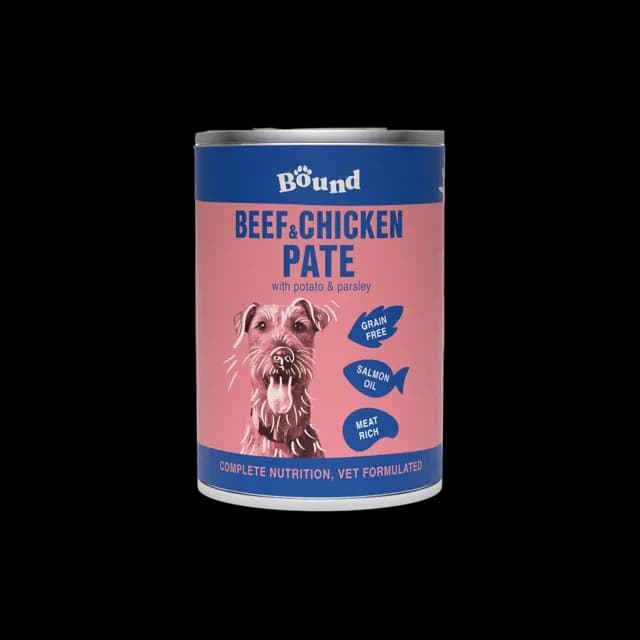
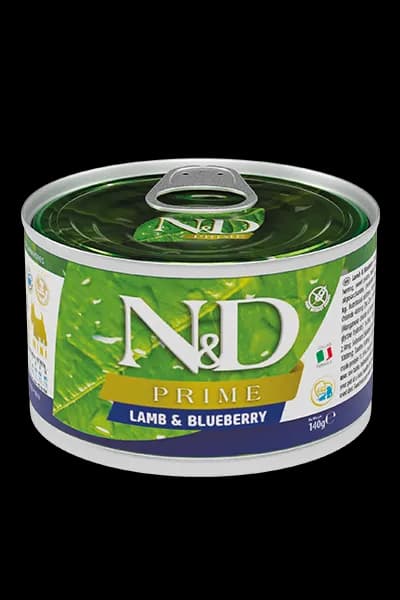
Four meaty cans that all sit in our Excellent band, in a category that is already strong. Each leads with a named animal at 65% and accounts for the liquid as bone broth with a printed percentage. Protein reaches 50.0% to 55.0% of dry matter, which is a great deal of meat for something fed from a can.
Written by our editorial team. Independent guidance, not veterinary advice.
Listed for adult dogs of every size. A 15kg dog needs roughly two cans a day, so work out how many cans your dog's portion runs to before choosing a pack.
Wet
Adult
Toy, Small, Medium, Large, Giant
Wild Boar
All four Excellent. Typical wet food: Excellent.
All four get to the same place by the plainest route there is: a named meat at 65% leaves little room for anything else.
Vitamin D3, vitamin E at 150 mg, iron at 25 mg and zinc at 15 mg per kilo, with manganese, copper, iodine and selenium all printed with amounts.
The bone broth names no species, so it may come from a different animal to the named meat.
Named ingredients
The can to try when the usual meats have begun to cause trouble.
Every can is one named animal at 65%, with bone broth at 25% (26% in the chicken) and two plants behind it, none above 6%. The same herb tail at trace level and a salmon oil finish close all four labels.
Moisture is declared at 80% throughout and energy at 105 kcal per 100g. Protein converts to 55.0% of dry matter on three cans and 50.0% on the beef, with estimated carbohydrate between 5.0% and 7.5%. Only the meat and the two plants change from can to can.
11%
5%
1%
2%
80%
55%
25%
5%
10%
5%
Estimated breakdown of the finished product by ingredient category, from the declared ingredient list and ingoing weights. These are estimates, not measurements.
65%
25%
6%
4%
A 15kg dog needs roughly two cans a day, and a small dog will not finish one 400 g can at a sitting.
Premium end of the market for a wet food, and fair value for the quality in the can.
Ingredients and nutrition are taken from manufacturer data. Retailer pricing is not yet live for this food.
Ranked shortlists that include foods like this one.
Beco
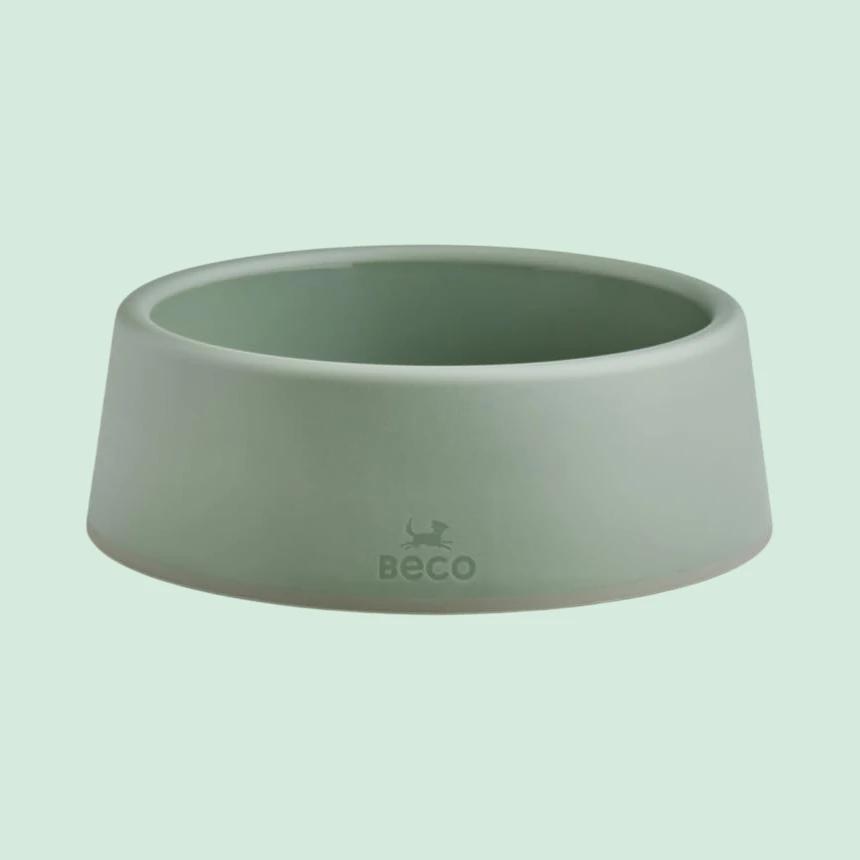
A recycled plastic dog bowl with a wide weighted base that stays where you put it.
Petface
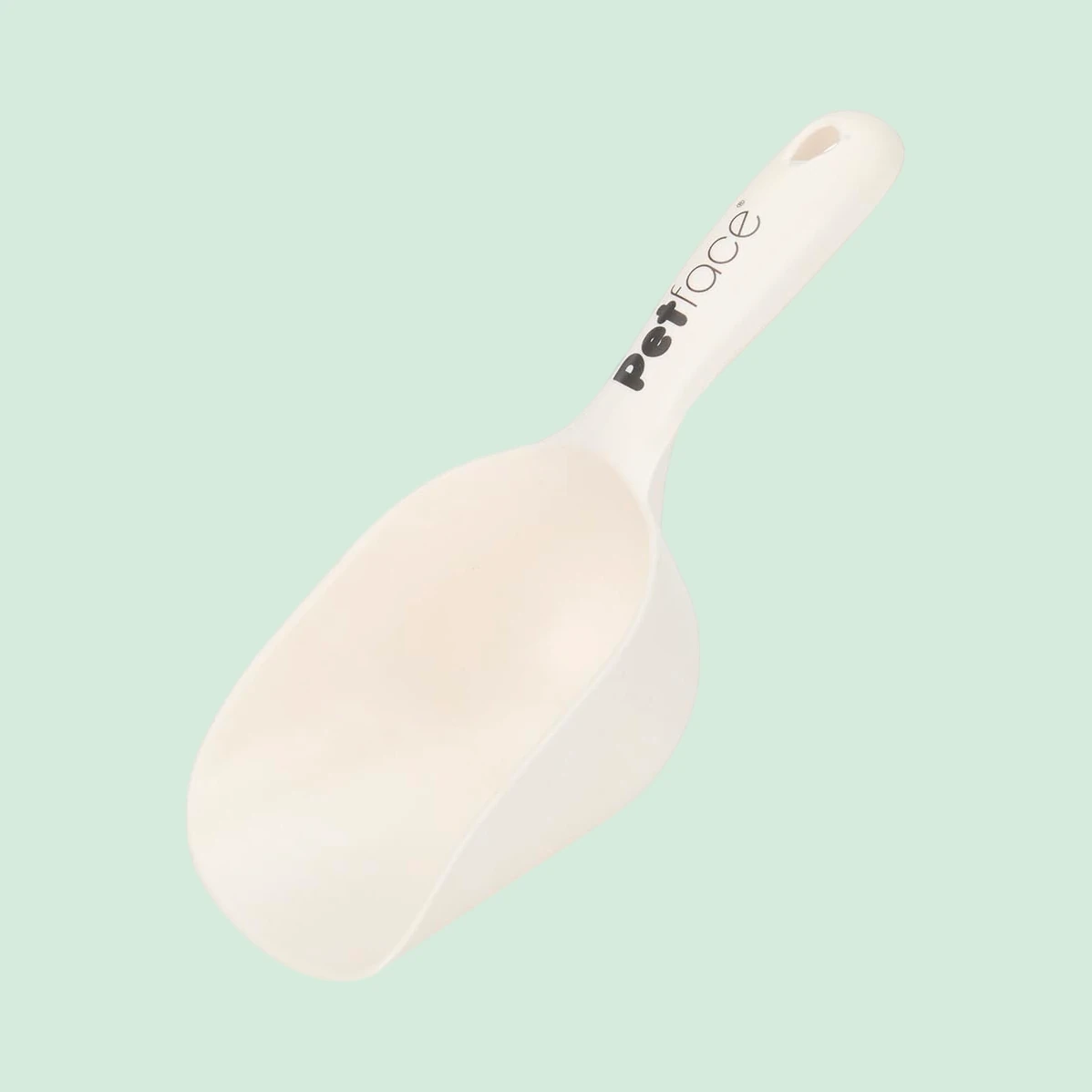
A light plastic food scoop that makes measuring kibble a daily habit.
Petface
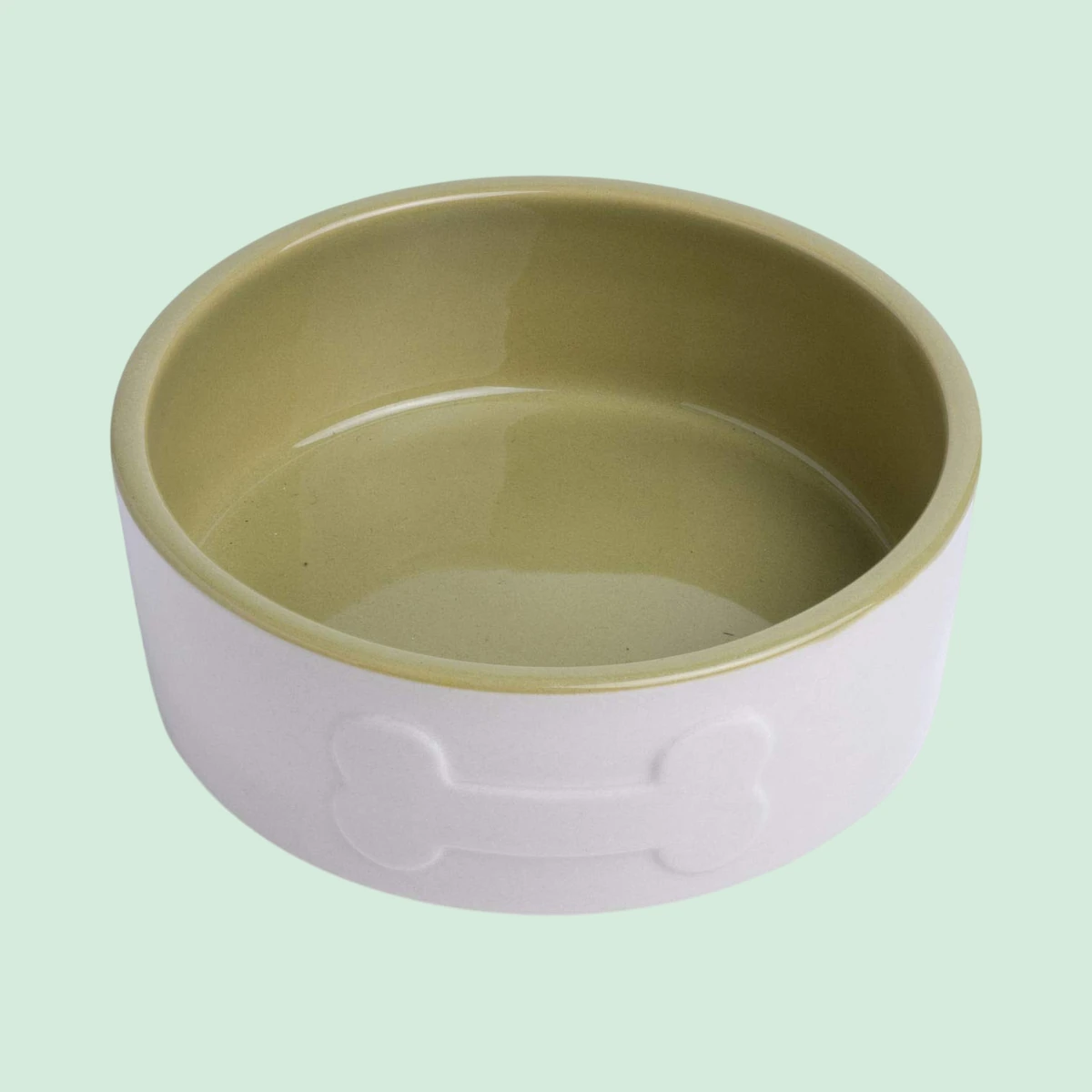
A 15cm ceramic dog bowl in cream and green, sized for toy and small breeds.
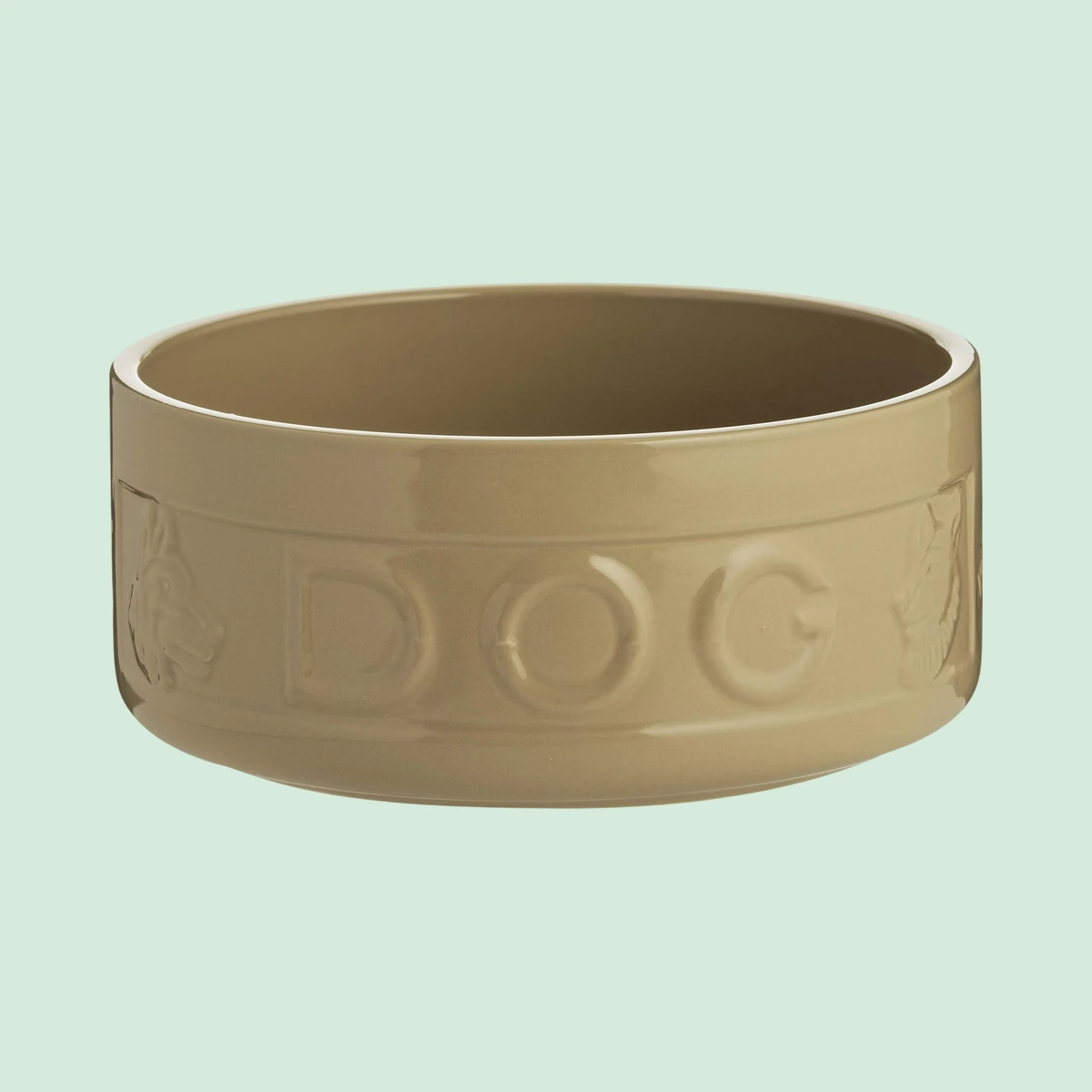
Mason Cash
The Derbyshire stoneware classic, a 20cm dog bowl holding 1.6 litres and dishwasher safe.