



74/100Excellent
3 varieties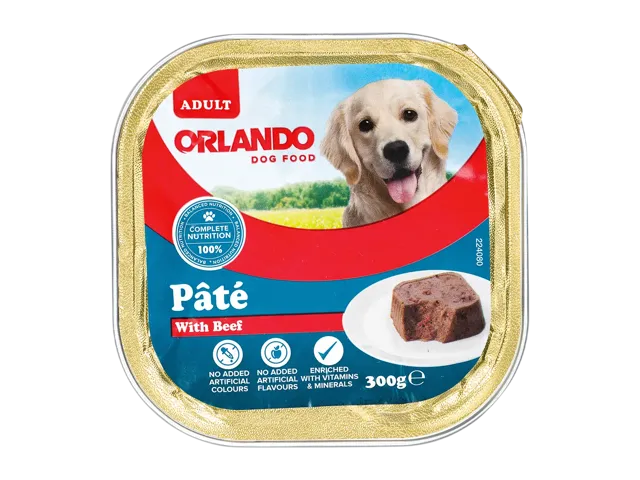
Orlando
Orlando Pate Foil Trays review
45.1/100Average
WetAdult
A smooth beef pate whose figures read far better than its label. Protein converts to 55.6% of dry matter with almost no carbohydrate, yet only beef, at 4%, is named on the list. It sits in our Average band, and that is a labelling verdict, not a safety one.
Where to buy: coming soon
Live retailer links are coming soon. Once we have them from UK retailers, where to buy and the best price will appear here.
Our view
Likely to suit
- Bowls that need to stay very low in carbohydrate, estimated at 3.8% of dry matter
- Older dogs and tender teeth: a pate needs no chewing
- Fussy eaters who leave plainer wet foods
- A protein forward bowl
- Dogs that drink sparingly, with the tray at 82.0% moisture
Worth watching
- Everything bar the beef is meat and animal derivatives, so this tray cannot anchor an elimination diet
- Various sugars, with no source or level given
- Labelled for adults only
Written by our editorial team. Independent guidance, not veterinary advice.
How this scores
How we score45.1/100Average
Protein and processingGood
Nutritional balanceOutstanding
TransparencyGood
ValueAverage
The details
Dog fit
Listed for adult dogs of every size. The energy figure is our estimate, so check portions against your dog's condition.
Food type
Wet
Life stage
Adult
Breed size
Toy, Small, Medium, Large, Giant
Main protein
Beef
The score, in context
- Orlando Pate Foil Trays 45.1
All one Average. Typical wet food: Excellent.
The analysis is the strong half here, and the label, which names almost nothing, is what holds the tray back.
What's in it
- Meat and animal derivativesThe fleshy parts of any warm blooded land animal, in any proportion, and free to change between batches.
- Beef4%The one animal the label names, inside the derivatives.
- MineralsUndivided.
- Various sugarsFor palatability. The smallest entry, source not given.
Vitamin D3 and E, zinc, manganese, copper and iodine, each with its own dose per kilo.
Named ingredients
Meat and Animal Derivatives (Including 4% Beef), Minerals, Various Sugars.
Against the range
A three-entry label: meat and animal derivatives with beef pinned at 4%, minerals, and various sugars. The analysis behind it is lean and meat weighted.
Nutritional analysis
Declared analysis
Energy
75.7 kcal/100g
Estimated using Modified Atwater factors*
Protein
10%
Fat
4.5%
Fibre
0.3%
Ash
2.5%
Moisture
82%
Dry weight
Protein
55.6%
Fat
25%
Fibre
1.7%
Ash
13.9%
Carbs
3.8%
As-fed composition
Estimated breakdown of the finished product by ingredient category, from the declared ingredient list and ingoing weights. These are estimates, not measurements.
Meat
50%
Added water
17%
Carbs
18%
Other
15%
Pricing & size
- Price per kilo
- £1.97 (RRP)
- Pack
- 300g
- A 15kg dog eats (our estimate)
- 880 to 1075 g a day, 980 in the middle
- Cost per day, 15kg dog
- £1.93
A 15kg dog gets through more than three trays a day, so a case goes quickly.
Budget end of the market for a wet food, though on our scoring the price runs ahead of what the analysis shows.
Ingredients and nutrition are taken from manufacturer data. Retailer pricing is not yet live for this food.
Related dog food guides
Ranked shortlists that include foods like this one.
Related foods
All reviews
61/100Good
2 varieties48/100Average
2 varieties48/100Average
4 varietiesFeatured feeding accessories
All feeding accessories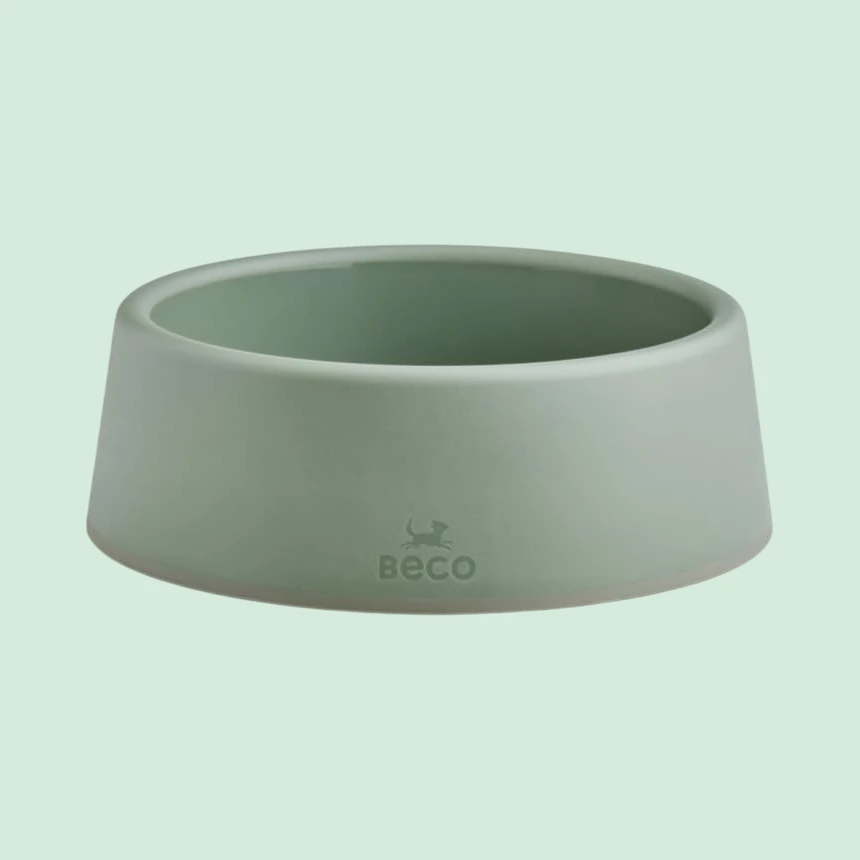
Beco
Steady Bowl
A recycled plastic dog bowl with a wide weighted base that stays where you put it.
£
View on Amazon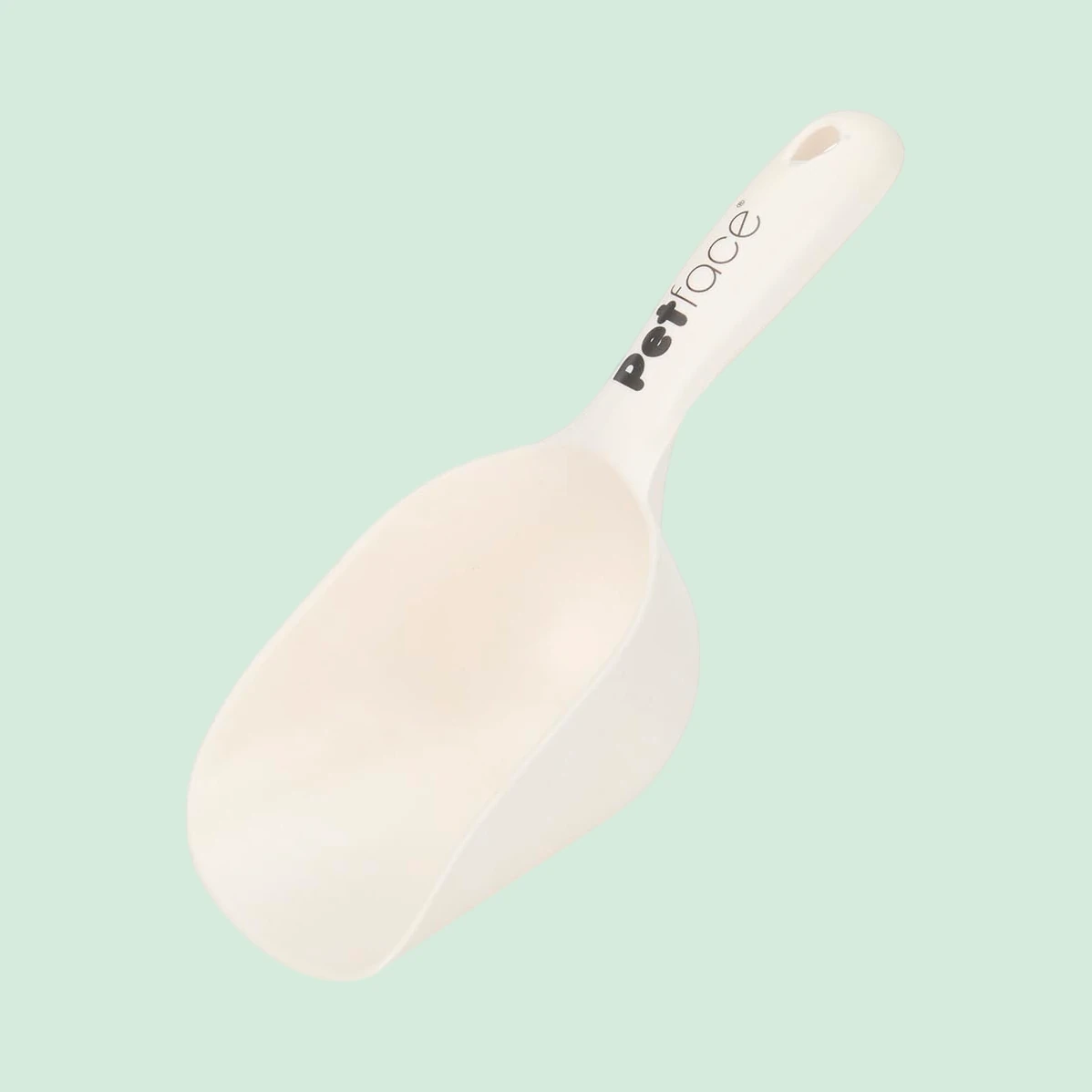
Petface
Pet Food Scoop
A light plastic food scoop that makes measuring kibble a daily habit.
£
View on Amazon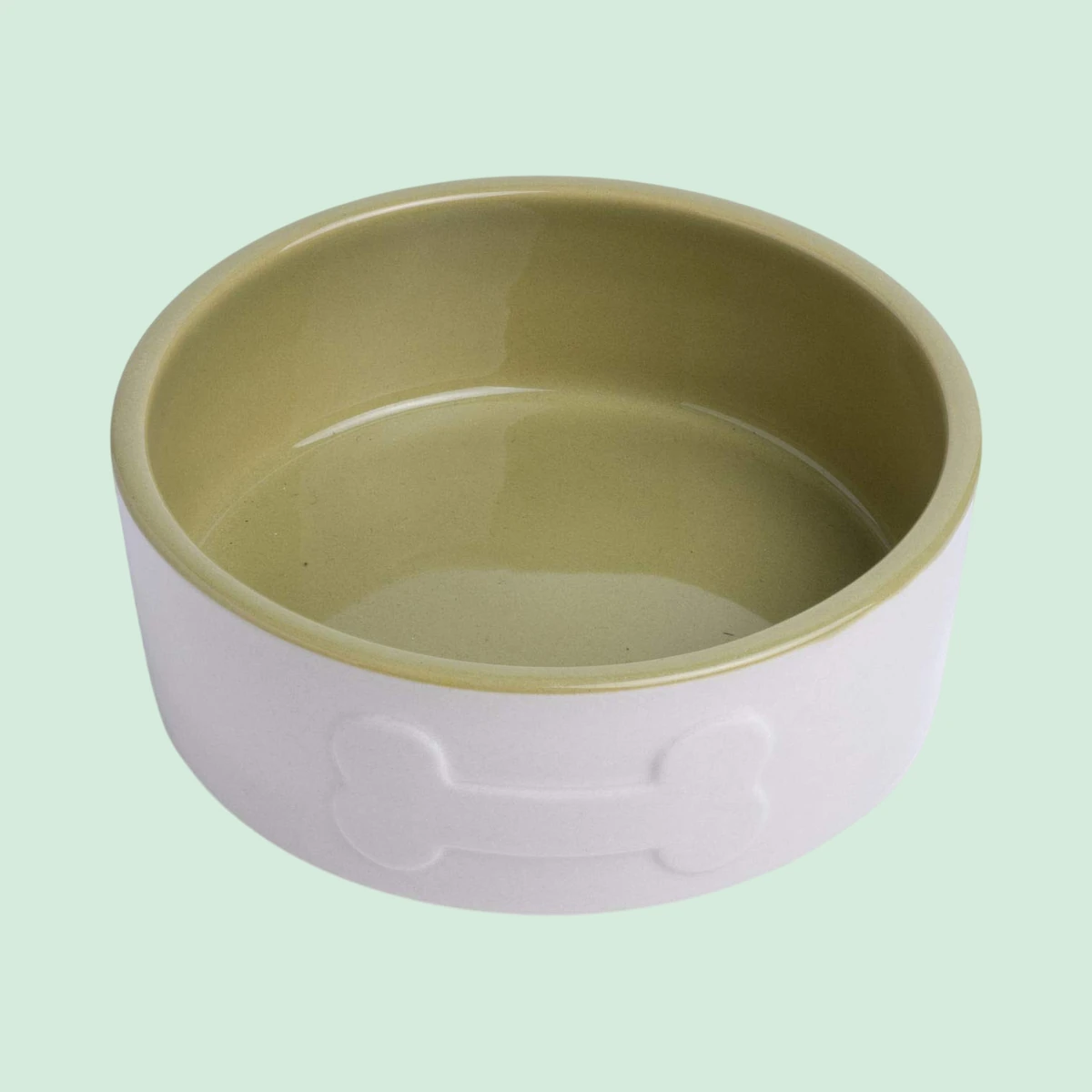
Petface
Ceramic Bone Bowl, 15cm
A 15cm ceramic dog bowl in cream and green, sized for toy and small breeds.
£
View on Amazon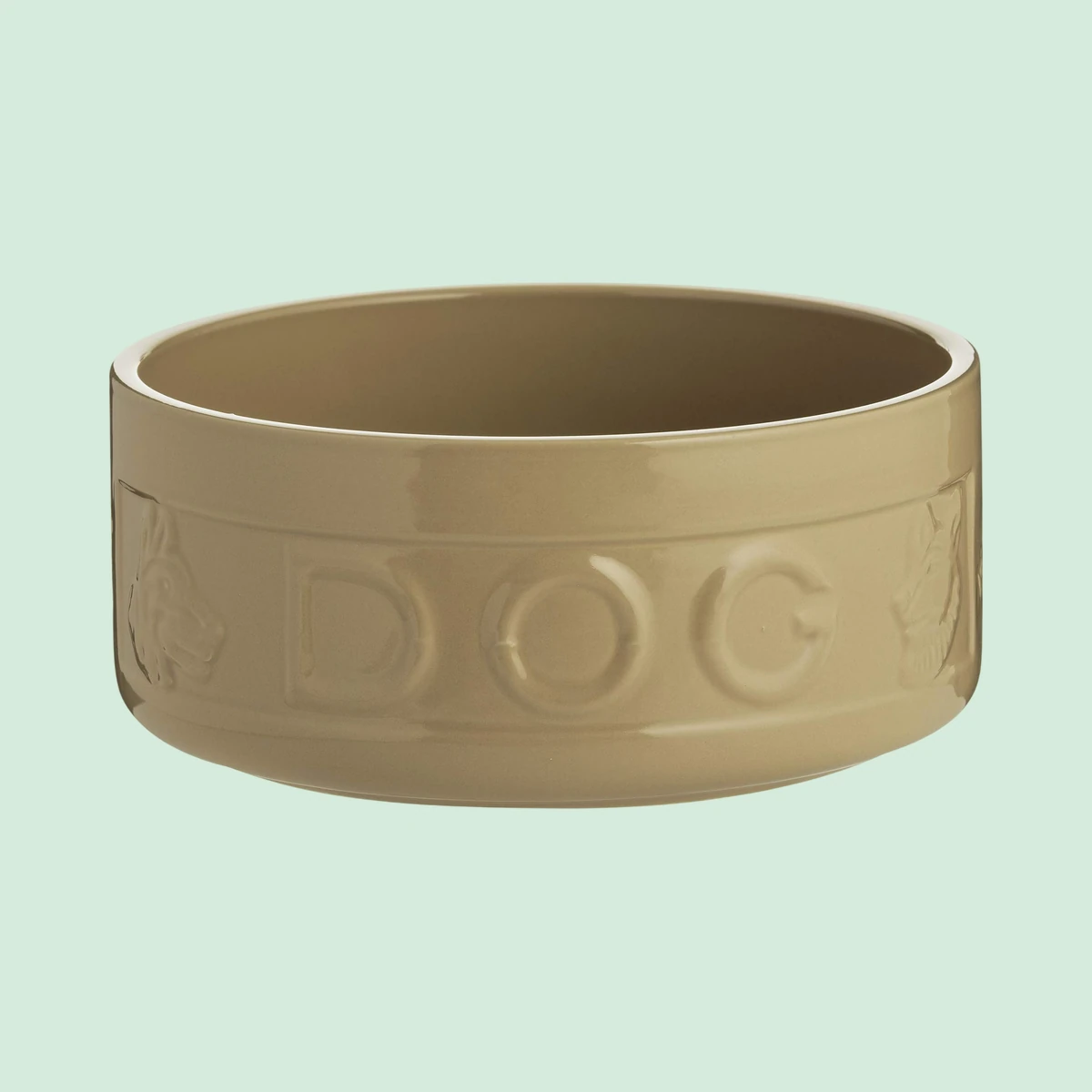
Mason Cash
Cane Dog Bowl, 20cm
The Derbyshire stoneware classic, a 20cm dog bowl holding 1.6 litres and dishwasher safe.
££
View on Amazon