


Skip to content
Off the Leash
Omni Senior – —

Omni

Omni Senior review

37.7/100Average
DryAdultSenior

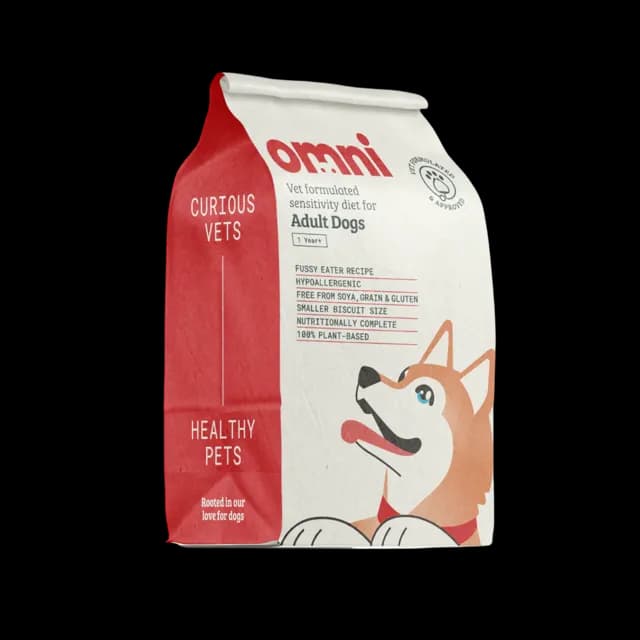
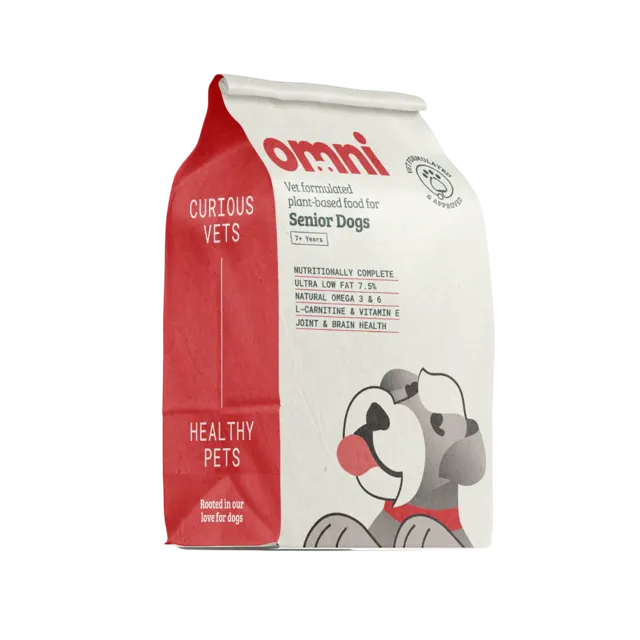
Omni Senior is a plant-based kibble written for the later end of adulthood. Whole potato heads the list, not a refined fraction, and pea starch and potato protein follow. The analysis is gentle by kibble standards at 26.0% protein and 7.5% fat. Methionine at 2,500 mg per kilo, with taurine and L-carnitine dosed beside it, does the work a meat-free recipe has to do deliberately, and prebiotic FOS joins them for an older gut. It finishes in our Average band.

Where to buy: coming soon
Live retailer pricing is coming soon. Once we have prices from UK retailers, the best price, cost per day and where to buy will appear here.

Our view

Likely to suit

For an older dog in a meat-free home, this keeps the principle intact and eases the load at the same time.

  • Older dogs in plant-based households, with nothing on the ingredient list taken from an animal
  • Seniors who do better on a lighter bowl, since fat is declared at 7.5%
  • Owners who want the meat-free essentials dosed on the bag, with methionine at 2,500 mg per kilo and taurine and L-carnitine printed beside it
  • Dogs whose digestion has grown fussier with age, with prebiotic FOS and dried yeasts in support
  • Giant breeds as readily as small ones, since the feeding table carries on past 80kg

Worth watching

None of these label entries should put you off, but each deserves a second read.

  • Soya is in the recipe, and it sits among the plant proteins that sensitive dogs react to most, which matters if yours has form
  • Grain is in the bowl here, with brown rice and oats both on the list
  • The label leaves out ash and moisture, so the dry matter figures that let you compare foods like for like cannot be worked out here
  • Protein is modest for a senior at 26.0%, and plant protein is used less completely than meat protein, so keep an eye on muscle and condition through the switch

Written by our editorial team. Independent guidance, not veterinary advice.

How this scores

How we score
37.7/100Average
Protein and processingPoor
Nutritional balanceGood
TransparencyGood
ValueAverage

The Details

Dog fit

For an older dog in a meat-free home, this keeps the principle intact and eases the load at the same time. None of these label entries should put you off, but each deserves a second read.

Food type

Dry

Life stage

Adult, Senior

Breed size

Toy, Small, Medium, Large, Giant

The score, in context

Two forces put this in our Average band, and only one of them is about the recipe. The first is our protein and processing reading, which is built around named animal protein this food has chosen not to use, so it collects nothing there and comes out Poor. The second is print: with ash and moisture left off the panel, part of the analysis has to be taken as declared rather than converted, and a label that shows less gets less credit. Transparency still reads Good, and the typical adult dry food sits a step up from this one in our Good band. For a household that wants a meat-free bowl for an older dog, none of that changes what the recipe was built to do.

What's in it

Ingredients, as declared: Potato, Pea Starch, Potato Protein, Brown Rice, Hi-Pro Soya, Dried Yeasts, Oats, Peas, Pea Protein, Minerals, Carrot, Hydrolysed Vegetables, Lentils, Rapeseed Oil, Sunflower Oil, Micro Algae, Blueberries, Prebiotic FOS, Cranberries, Pumpkin.

Named ingredients

Potato, Pea Starch, Potato Protein, Brown Rice, Hi-Pro Soya, Dried Yeasts, Oats, Peas, Pea Protein, Minerals, Carrot, Hydrolysed Vegetables, Lentils, Rapeseed Oil, Sunflower Oil, Micro Algae, Blueberries, Prebiotic FOS, Cranberries, Pumpkin.

Nutritional additives

_(the page labels this "Vitamins and minerals Supplemented (per Kg)")_: - **Vitamins:** Vitamin A 25,000iu, Vitamin D3 1,800iu, Vitamin E 245iu, Taurine 2,000mg, L’Carnitine 1,000mg. Amino Acids: Methionine 2,500mg - **Trace Elements:** Zinc (as Zinc Sulphate Monohydrate) 70mg, Zinc (as Zinc Chelate of Glycine Hydrolysates) 50mg, Manganese (as Manganous Sulphate Monohydrate) 25mg, Iron (as Iron (II) Sulphate Monohydrate) 30mg, Copper (as Copper (II) Sulphate Pentahydrate) 10mg, Iodine (as Calcium Iodate Anhydrous) 1.56mg, Selenium (as Organic Selenium 3b8.10) 0.2mg.

Ingredient notes

Whole potato leading is the detail that separates this from a general adult recipe. What it brings is starch and not protein, and that is part of why the panel comes in gentler. It is a whole ingredient too, not a byproduct fraction. Pea starch behind it does the same job.

The protein comes from potato protein, Hi-Pro soya, pea protein and dried yeasts working together, and it lands at a declared 26.0%. Those are refined plant fractions, and a dog takes less from them than from meat, so the number on the panel goes further on paper than it does in the bowl. Methionine at 2,500 mg per kilo is added because plant proteins run short of it, and that correction matters more, not less, in an older dog.

Taurine and L-carnitine are the two dosed entries that show this is a senior recipe, not a relabelled adult one. Both come mostly from meat in an ordinary diet, taurine has a long association with heart support, and carnitine is the one usually chosen where an older body needs help turning fat into energy.

Rapeseed and sunflower oil supply the fats at a declared 7.5%, and micro algae is the marine omega 3 source, which is where fish get theirs before we do. Prebiotic FOS, lentils, peas and carrot handle the gut side, with blueberries, cranberries and pumpkin at trace level behind them.

One entry stays vague. Hydrolysed vegetables names no vegetable, and a broad term like that leaves room for the mix to change between batches. It sits well down the list and is there for flavour, not nutrition. On an otherwise specific label, this is the one line a careful reader cannot pin down.

The bigger gap is the analysis itself. Ash and moisture are not declared, so protein, fat and fibre can only be read as fed. Everything else is dosed properly, from vitamin A and D3 through to selenium at 0.2 mg per kilo, so the omission reads as a labelling habit rather than anything the recipe is hiding.

Price and value

Sold in 2kg, 6kg and 10kg bags, at £6.60 a kilo.

For a 15kg adult dog in moderate condition, around 260 grams a day covers roughly 840 kcal (110 × bodyweight^0.75, the standard maintenance estimate), and that puts the daily figure at £1.72. The label's own table asks 180 to 235 grams for a dog between 10kg and 20kg, so let condition settle the difference.

Nutritional analysis

Declared analysis

Energy
322.8 kcal/100g

Estimated using Modified Atwater factors*

Protein

26%

Fat

7.5%

Fibre

3%

Dry weight

Protein

28.3%

Fat

8.2%

Fibre

3.3%

As-fed composition

Estimated breakdown of the finished product by ingredient category, from the declared ingredient list and ingoing weights. These are estimates, not measurements.

Carbs

93.4%

Veg

0.5%

Oils

0.1%

Other

5.9%

Pricing & size
Pack size
Small (2 kg), Medium (6 kg), Large (10 kg)
Retailer pricing
Coming soon

Live retailer pricing is not yet available for this food. Prices, cost per day and where to buy will appear here once retailer data is live.

Ingredients and nutrition are taken from manufacturer data. Retailer pricing is not yet live for this food.

Related dog food guides

Ranked shortlists that include foods like this one.
All reviews

Featured feeding accessories

All feeding accessories

Brackenwood

Slow Feeder Maze Bowl

Slows fast eaters and eases gulping at mealtimes.

From £12.99· 4 retailers
View

Tarn & Co

Raised Double Diner

Height-set stand for easier, tidier eating.

From £28.99· 3 retailers
View

Reviewed by Off the Leash Editorial

Last updated 28 August 2026