

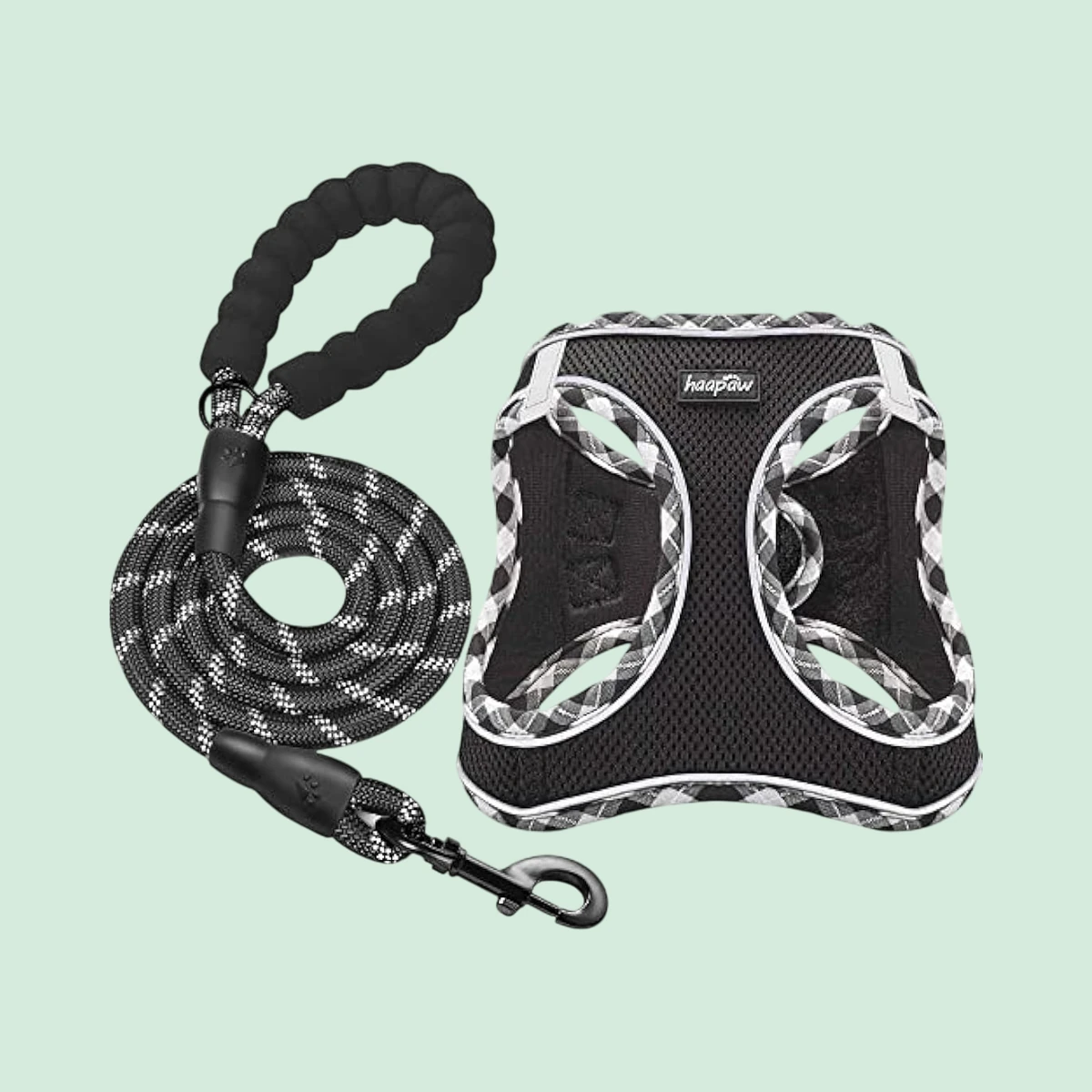
haapaw
Step-in Harness and Lead Set
A padded step-in harness that comes with a matching rope lead.
£
View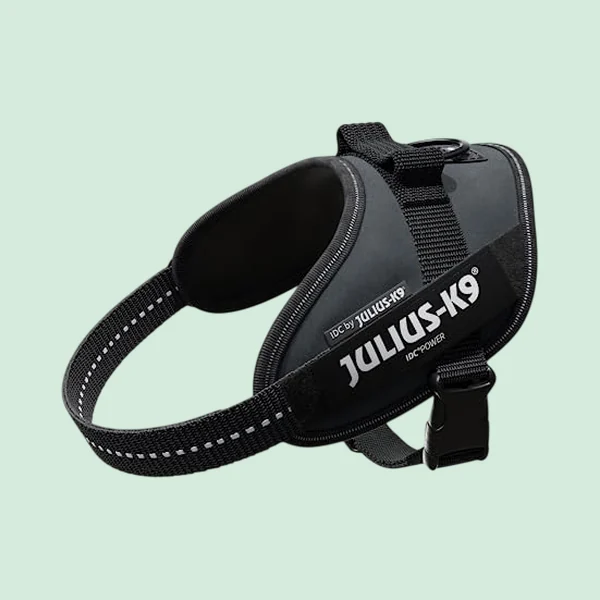
Julius-K9
The chest-plate working harness you see on police and assistance dogs. Best for everyday walks and training and more comfort and control on the lead.
Why we picked it
Built for handlers who use a harness every day. A wide chest plate spreads the load, the handle on top gives you close control, and reflective elements keep a dog visible on an early walk. The hook and loop side patches swap over, so you can label the harness however you like. It fits in one move.
Where to buy
Sold on Amazon and by a screened eBay business seller. Live UK retailer price comparison will appear here once retailer pricing is available.
Affiliate link. As an Amazon Associate, Off the Leash earns from qualifying purchases.
Screened eBay business seller (98%+ feedback, 200+ ratings). Affiliate link, at no cost to you.
For harnesses and leads, chest shape, pulling strength, escape tendency and any neck or breathing sensitivity matter more than breed. Flat-faced and strong-pulling dogs generally do better in a well-padded harness than a neck collar.
The chest-plate working harness you see on police and assistance dogs.
Daily walks, lead training and secure, comfortable control.
Measure chest girth (and neck for collars) and adjust for a snug two-finger fit.
Dog size: Measure chest and neck girth and follow the size guide. A snug, correct fit is what makes gear safe.
Life stage: Puppy, adult and senior. A well-fitted harness suits pullers and growing dogs better than a collar alone.
Taken from what the maker states. Measure your dog stretched out, nose to tail, and add room to turn round before you pick a size.
Padded, adjustable webbing lasts and stays comfortable. Reflective detailing helps visibility.
Wipe or hand-wash and air-dry. Check stitching and clips regularly for wear.
This is a premium walking accessory. A premium pick, and the features earn it.
A padded no-pull harness gives far more comfort and control than a collar for dogs that pull. Pair it with reward-based lead training.
Fit is by measurement. Take chest (and neck) girth and follow the size guide for a snug, secure fit.
Choose an adjustable size and check the fit as they grow. A harness is usually kinder than a collar for a young dog learning to walk.
haapaw
A padded step-in harness that comes with a matching rope lead.
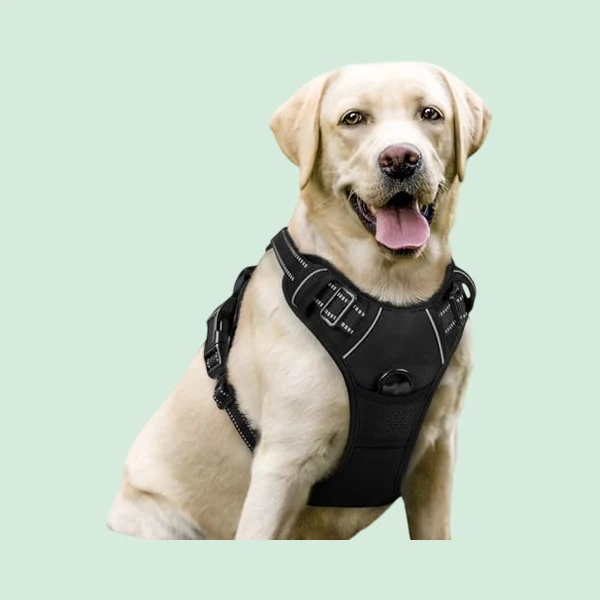
rabbitgoo
A padded vest harness with front and back rings and a top handle.
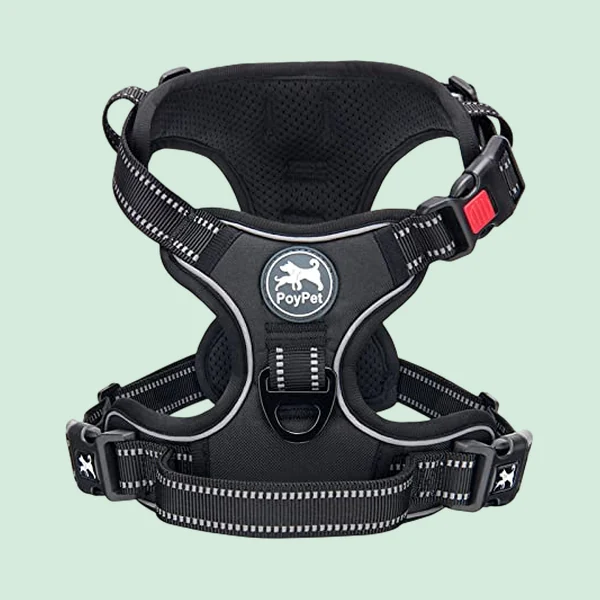
PoyPet
A vest harness with front and back rings and a quick-release buckle at the neck.
Answer a few questions about your dog and get food matches based on breed, age, weight and budget.
Adult dogs, all sizes
From £3.75 across 2 retailers
View reviewAdult dogs, all sizes
From £3.75 across 2 retailers
View reviewAdult dogs, all sizes
From £4.45 across 2 retailers
View review